 logo
logo



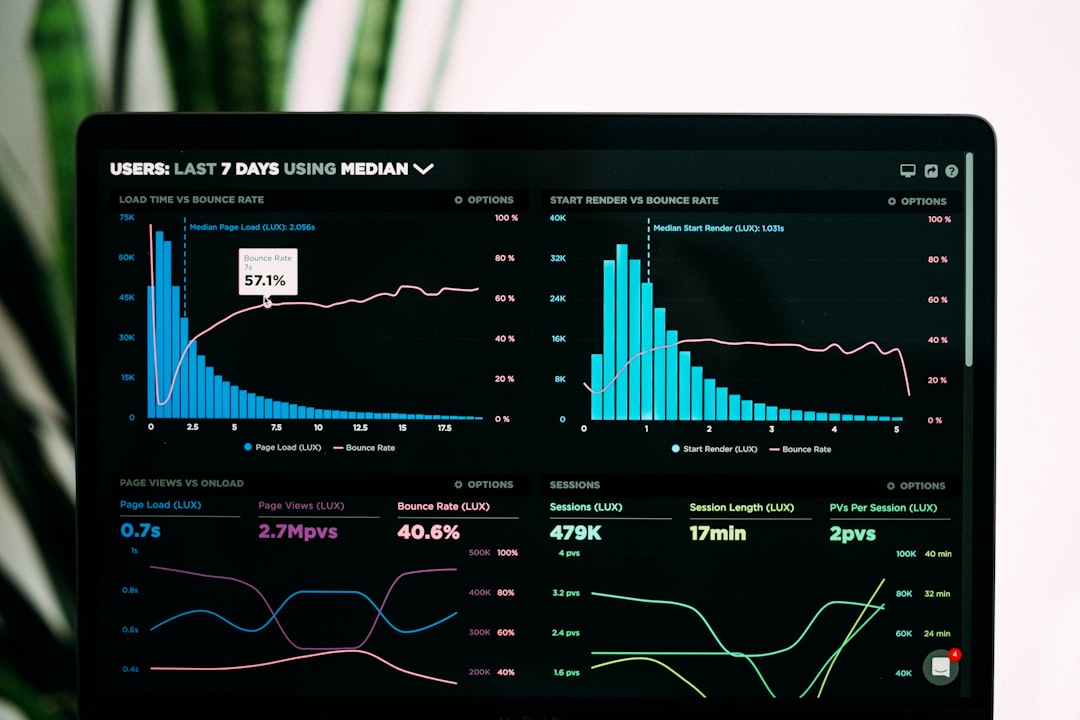
Creating polished, persuasive presentations no longer requires advanced PowerPoint skills. In today’s fast-paced business environment, professionals are expected to communicate visually and effectively—even if they lack formal design training. Fortunately, a new generation of presentation tools has emerged, allowing anyone to build compelling slides with minimal effort and technical knowledge.
TLDR: You no longer need PowerPoint expertise to build professional presentations. Modern tools like Canva, Beautiful.ai, Prezi, and Visme automate design, offer ready-made templates, and simplify collaboration. These platforms provide intelligent layouts, branding consistency, and easy multimedia integration. With the right tool, anyone can produce executive-level presentations quickly and confidently.
Traditional slide-building often demands attention to formatting, spacing, alignment, animations, and layout—details that can overwhelm non-designers. The tools discussed below streamline these elements automatically, allowing users to focus on content and strategy rather than design mechanics.
Why Traditional Presentation Design Is Challenging
Many professionals struggle with slide design because effective presentations require:
- Consistent typography and spacing
- Logical content hierarchy
- Balanced visual elements
- Professional color usage
- Engaging structure and narrative flow
Without these elements, slides may look cluttered or amateurish. Modern tools solve these issues by embedding design best practices directly into their platforms.
Top Tools for Building Professional Presentations Without PowerPoint Skills
1. Canva
Canva has become one of the most widely used design platforms for non-designers. It provides drag-and-drop functionality combined with professionally designed templates.
Key Advantages:
- Thousands of presentation templates
- Easy drag-and-drop editing
- Integrated stock photos and graphics
- Brand kit for consistent colors and fonts
- Collaboration in real time
Canva is especially suitable for marketing teams, educators, consultants, and startups that need visually polished slides without technical complexity.

Best for: Users who want maximum flexibility with minimal learning curve.
2. Beautiful.ai
Beautiful.ai focuses on automation and artificial intelligence-powered design. Instead of manually adjusting layouts, users simply add content, and the platform automatically adapts the slide structure.
Key Advantages:
- Smart slide templates that auto-adjust
- Pre-built charts and data visualizations
- Corporate branding controls
- Clean, modern aesthetics
- Time-saving automation
This tool is ideal for executives and corporate teams that require consistent, professional presentations under tight deadlines.
Best for: Business professionals who value efficiency and uniform branding.
3. Prezi
Prezi offers a distinct, non-linear presentation style. Instead of traditional slides, it uses zoomable canvases that create dynamic visual storytelling.
Key Advantages:
- Zoom-based storytelling format
- Highly interactive presentations
- Engaging visual transitions
- Cloud-based collaboration
Prezi works particularly well for storytelling, education, and innovative pitches where audience engagement is critical.

Best for: Presenters who want to break away from traditional slide formats.
4. Visme
Visme combines presentation creation with infographic and data visualization tools. It is especially powerful for data-heavy content.
Key Advantages:
- Advanced chart and graph builders
- Interactive elements
- Animation capabilities
- Extensive template library
- Downloadable and embeddable formats
Visme is frequently used by analysts, marketers, and educators who need to transform complex data into accessible visuals.
Best for: Data-driven presentations requiring visual clarity.
5. Tome
Tome represents the new generation of AI-assisted presentation tools. It helps users generate structured slides from prompts and written content.
Key Advantages:
- AI-generated slide outlines
- Automatic image suggestions
- Narrative-focused layout
- Quick ideation support
This tool is particularly beneficial when starting from scratch and needing structure immediately.

Best for: Professionals who want AI assistance in crafting presentation structure and content.
Comparison Chart of Top Presentation Tools
| Tool | Ease of Use | Best For | Automation Level | Design Flexibility |
|---|---|---|---|---|
| Canva | Very High | General business and marketing | Moderate | High |
| Beautiful.ai | High | Corporate presentations | High | Moderate |
| Prezi | Moderate | Storytelling and education | Moderate | Moderate |
| Visme | High | Data visualization | Moderate | High |
| Tome | Very High | AI assisted content creation | Very High | Moderate |
Key Features That Matter Most
When selecting a tool, evaluate the following criteria:
- Template Quality: Professionally designed templates save time and improve impact.
- Brand Management: Corporate users need consistent logos, fonts, and color palettes.
- Collaboration Features: Team editing and commenting streamline workflows.
- Export Options: Ability to download as PDF, video, or shareable link.
- Data Visualization: Built-in charts prevent reliance on external tools.
- Automation: AI-assisted design reduces formatting effort.
How These Tools Improve Professional Credibility
Executive audiences respond not only to content but also to visual clarity. Well-designed slides:
- Increase message retention
- Demonstrate organizational competence
- Enhance persuasive power
- Support data comprehension
By removing design friction, modern platforms allow presenters to focus on strategy, storytelling, and delivery. This results in stronger communication and higher confidence.
Practical Workflow for Non-Designers
For professionals without design experience, the following workflow ensures efficiency:
- Choose a template aligned with your objective.
- Insert core content before adjusting design elements.
- Use built-in layouts rather than manual positioning.
- Limit font styles to maintain consistency.
- Incorporate data visualization tools for clarity.
- Review slides for simplicity and readability.
This systematic approach, combined with automated design tools, eliminates most common presentation mistakes.
Final Thoughts
The expectation to deliver professional presentations is universal across industries. Fortunately, exceptional design no longer depends on mastering PowerPoint. Tools such as Canva, Beautiful.ai, Prezi, Visme, and Tome offer structured templates, intelligent automation, and seamless collaboration features that enable high-quality results without advanced technical skills.
For executives, managers, consultants, and educators alike, adopting these platforms represents not merely a convenience but a strategic advantage. Clear, refined presentations strengthen authority, improve communication impact, and increase the likelihood of decision-making success.
In a competitive professional landscape, the ability to present ideas clearly and confidently is invaluable. With the right tool, anyone—regardless of design expertise—can produce presentations that meet the highest business standards.