 logo
logo



Few things are more frustrating than launching your Dispatch Game Drive Updater only to discover that it refuses to work. Whether the application won’t open, keeps crashing mid-update, or simply gets stuck in an endless loading loop, the disruption can bring your workflow or gaming session to a halt. Fortunately, most updater issues aren’t as catastrophic as they seem—and many can be resolved in just a few minutes with the right approach.
TL;DR: If your Dispatch Game Drive Updater isn’t working, start with the basics: check your internet connection, restart the program and your device, and ensure you’re running the latest version. Clearing cache files or running the updater as an administrator can often fix stubborn issues. If nothing works, a clean reinstall typically restores functionality quickly and safely.
In this guide, we’ll walk through five quick and effective fixes that can help you get your updater running again. Each solution is practical, beginner-friendly, and designed to minimize downtime.
1. Check Your Internet Connection First
It might sound obvious, but many updater problems stem from unstable or slow internet connections. Dispatch Game Drive Updater relies on secure server communication to download patches and verify installation files. If your connection is disrupted—even briefly—the process can fail.
What to check:
- Wi-Fi stability – Make sure your signal is strong.
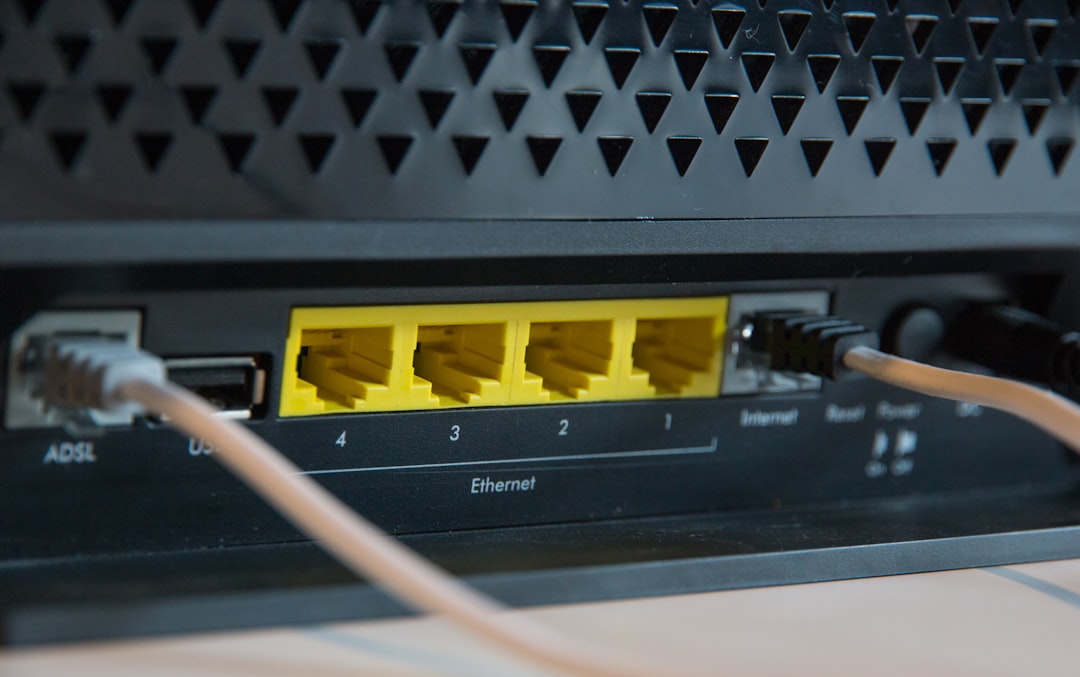
- Wired connection – Switch to Ethernet for a more stable link.
- Firewall restrictions – Ensure your firewall isn’t blocking the updater.
- Server status – Occasionally, the issue may be on Dispatch’s end.
You can test your internet quickly by opening a browser and loading multiple websites or running a speed test. If pages lag or fail to load, restart your modem and router before trying again.
Pro Tip: Temporarily disable VPN software while updating. Some VPNs interfere with download authentication processes, causing connection errors.
2. Restart the Updater and Your Device
It’s a classic fix for a reason. Restarting clears temporary memory glitches and shuts down background processes that may be conflicting with the updater.
Step-by-step method:
- Close the Dispatch Game Drive Updater completely.
- Open Task Manager (Windows) or Activity Monitor (Mac).
- End any leftover updater processes.
- Restart your computer.
- Launch the updater again.
Sometimes the updater fails due to a simple memory conflict or unfinished process running silently in the background. A reboot flushes system memory and resets essential services.
This quick fix resolves a surprising number of “won’t launch” or “stuck at 0%” update issues.
3. Run the Updater as an Administrator
Permission errors are a common culprit when updates fail. The updater may need elevated access to replace or modify core files. Without administrator privileges, the process can stall or throw cryptic error codes.
How to run as administrator (Windows):
- Right-click the Dispatch Game Drive Updater icon.
- Select Run as administrator.
- Confirm the system prompt.
On macOS, ensure your user account has system permissions and grant file access if prompted in Security & Privacy settings.
Why this works:
- Allows file overwriting in protected directories.
- Prevents security conflicts during patch installation.
- Ensures background services can execute properly.
If you frequently experience permission-related issues, consider permanently setting the updater to launch with elevated privileges through its Properties settings.
4. Clear Cache and Temporary Files
Over time, update logs, cached downloads, and temporary installation files can accumulate—and sometimes become corrupted. When the updater references a damaged temporary file, the entire process may fail.
Clearing cache files essentially gives the updater a clean slate.
General steps:
- Close the updater completely.
- Navigate to its installation or AppData folder.
- Locate cache, temp, or log folders.
- Delete the contents (not the main executable).
- Restart the updater.
If you’re unsure where these files are stored, check:
- Windows: C:\Users\[YourName]\AppData\Local or Roaming
- Mac: ~/Library/Application Support
Important: Only delete temporary or cache folders. Avoid removing core installation files unless performing a full reinstall.
Clearing out unused temporary data ensures the updater downloads fresh, uncompromised files directly from the source.
5. Perform a Clean Reinstall
If all else fails, a clean reinstall is often the fastest and most reliable fix. Corrupted installation files, incomplete downloads, or outdated components can cause persistent errors that quick tweaks can’t resolve.
How to do a clean reinstall:
- Uninstall the Dispatch Game Drive Updater via Control Panel or Applications folder.
- Restart your device.
- Delete leftover installation folders if they remain.
- Download the latest version from the official website.
- Install and launch the program.
Why this works:
- Replaces corrupted system files.
- Clears outdated dependencies.
- Resets program configuration settings.
After reinstalling, check immediately for updates to ensure compatibility with your operating system.
Bonus Tips to Prevent Future Issues
Now that your updater is (hopefully) working again, it’s worth taking preventative steps to avoid future breakdowns.
Keep your system updated: Operating system updates often include security patches and compatibility improvements that support updater tools.
Avoid abrupt shutdowns: Interrupting an update by powering off your computer can corrupt files.
Maintain storage space: Ensure you have sufficient disk space before updating. Low storage is a frequent cause of incomplete installations.
Add exceptions to antivirus software: Some antivirus programs mistakenly flag update files as threats.
When to Contact Support
If none of these fixes solve the problem, it may be time to contact Dispatch support. Persistent issues could indicate:
- Server-side authentication problems
- Account-related restrictions
- Compatibility issues with specific hardware
- Rare software conflicts
When reaching out, include:
- Your operating system version
- Error messages (screenshots help)
- Updater version number
- Steps you’ve already attempted
This information helps accelerate troubleshooting and reduces back-and-forth communication.
Final Thoughts
A non-working Dispatch Game Drive Updater can feel like a major disruption—but most issues are surprisingly easy to fix. In many cases, the solution is as simple as restarting your device or checking your connection. More stubborn problems typically resolve after clearing cache files or performing a clean reinstall.
The key is to approach the issue systematically rather than randomly trying fixes. Start with the simplest steps and work your way up to more involved solutions.
With the five quick fixes outlined above, you’ll not only get the updater running again—you’ll also understand why it stopped working in the first place. And that knowledge makes future troubleshooting faster, calmer, and far less stressful.
Most importantly, remember that update tools are designed to streamline your experience—not complicate it. A few quick adjustments are often all it takes to restore smooth, seamless performance.
