 logo
logo




As companies grow, so do their workflows, communication layers, and project complexity. While Teamwork has long been a respected project management platform, many growing teams begin to outgrow its structure, pricing, or feature set. Fortunately, today’s software landscape offers a wide range of dynamic alternatives designed to support scaling teams, hybrid work environments, and cross-functional collaboration.
TLDR: Growing teams often need more flexibility, automation, and scalability than Teamwork can offer. Top alternatives include Asana, ClickUp, Monday.com, Wrike, and Jira—each excelling in different areas such as customization, automation, reporting, or agile development. Choosing the right platform depends on your team size, workflow complexity, and long-term growth plans. Below, we break down what makes each option stand out and how they compare.
Below are five powerful Teamwork alternatives that can support expanding operations, improve collaboration, and streamline delivery timelines.
1. Asana – Best for Structured, Cross-Functional Collaboration
Asana has built its reputation around balancing simplicity and scalability. For teams transitioning from basic task management to more complex project orchestration, Asana provides structure without overwhelming new users.
Key strengths include:
- Multiple project views (list, board, timeline, calendar)
- Strong workflow automation
- Advanced reporting dashboards
- Goal tracking aligned with company objectives
Growing companies benefit from Asana’s ability to connect high-level business goals with everyday tasks. The platform shines when multiple departments—like marketing, product, and operations—must collaborate while maintaining visibility into company-wide priorities.

Asana’s automation builder allows teams to eliminate repetitive manual updates. For example, you can automatically assign tasks when project phases change or trigger notifications when deadlines approach.
Best for: Mid-sized teams that need structured workflows and strong reporting without heavy technical configuration.
2. ClickUp – Most Customizable All-in-One Solution
ClickUp positions itself as an “everything app for work,” and for growing teams juggling multiple work styles, that flexibility can be game-changing. Unlike Teamwork, which follows a more traditional project hierarchy, ClickUp offers deep customization at virtually every level.
What makes ClickUp stand out:
- Highly customizable task statuses and fields
- Built-in docs, whiteboards, and goal tracking
- Granular permissions for scaling teams
- Extensive integrations
As companies expand, different departments often require different workflows. Engineering may need sprints, marketing may prefer Kanban boards, and leadership may want timeline overviews. ClickUp makes it possible to house all of this within one ecosystem.
One of its strongest features is the ability to create custom task types and dashboards tailored to specific roles. This reduces tool sprawl and centralizes operations.
Best for: Fast-growing businesses that want deep customization and are comfortable investing time in setup.
3. Monday.com – Visually Intuitive and Process-Driven
Monday.com is known for its visually engaging and adaptable interface. For teams transitioning away from Teamwork due to usability or visual limitations, Monday.com provides a more intuitive experience.
Core advantages include:
- Highly visual boards
- Drag-and-drop automation building
- Pre-built workflow templates
- Scalable dashboards for performance tracking
Its colorful, board-based structure is particularly appealing to non-technical teams. Workflows are easy to understand at a glance, reducing onboarding time for new hires—an essential feature for expanding organizations.
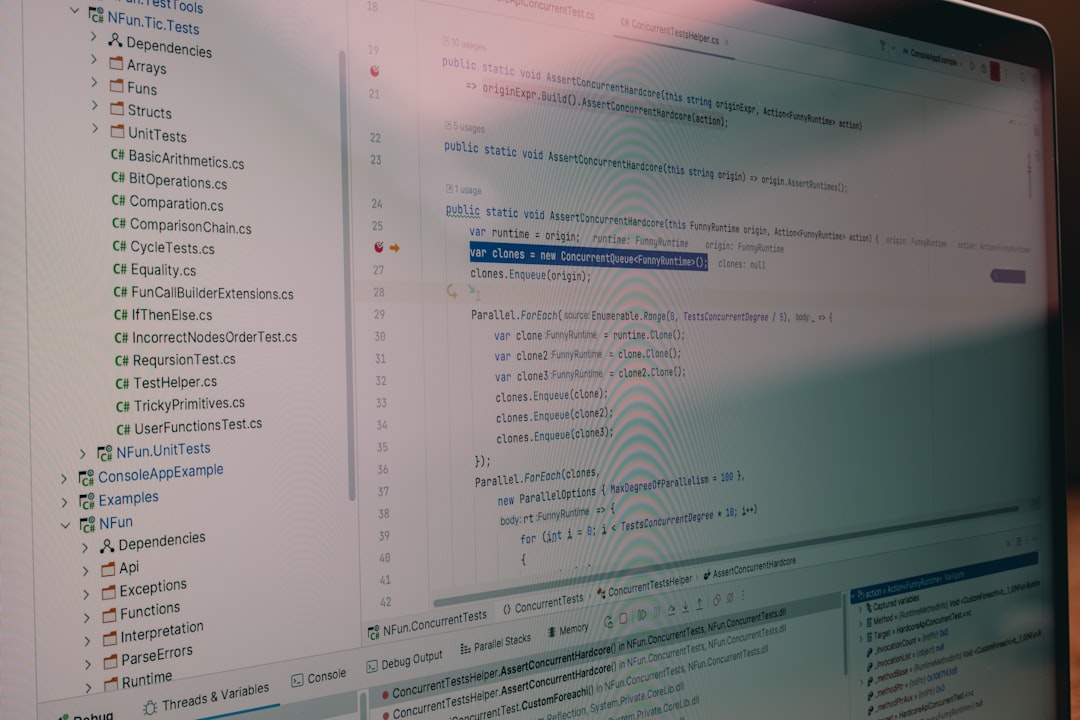
Monday.com also excels at process standardization. As your team grows beyond 25, 50, or even 100 members, consistent workflows become critical. Monday makes replicating boards and templates seamless, helping maintain alignment across departments.
Best for: Teams emphasizing visual planning and process clarity across diverse departments.
4. Wrike – Enterprise-Grade Reporting and Resource Management
Wrike is a powerful alternative for teams entering enterprise territory. While Teamwork offers reporting tools, Wrike’s advanced analytics and resource planning capabilities provide deeper operational insights.
Notable features include:
- Advanced workload management
- Custom request forms
- Real-time analytics dashboards
- Enterprise-level security controls
Growing agencies, consultancies, and distributed teams often struggle with workload imbalance. Wrike’s resource allocation tools make it easier to identify bottlenecks and prevent burnout before it happens.
The platform also allows complex project blueprints that can be duplicated, ensuring repeatable delivery processes—particularly useful for client-focused organizations.
Best for: Rapidly scaling teams needing strong resource management and executive-level reporting.
5. Jira – Ideal for Agile and Technical Teams
If your growing organization includes a strong product or engineering component, Jira may be a better alternative to Teamwork. Designed with agile methodologies in mind, Jira excels in backlog management, sprint planning, and bug tracking.
Why Jira stands out:
- Comprehensive agile tools
- Custom workflows for development cycles
- Integration with dev tools and CI CD pipelines
- Powerful issue tracking
While Jira may feel complex for non-technical teams, it becomes invaluable when managing intricate development roadmaps. It offers control and transparency at scale, particularly when multiple engineering squads operate simultaneously.
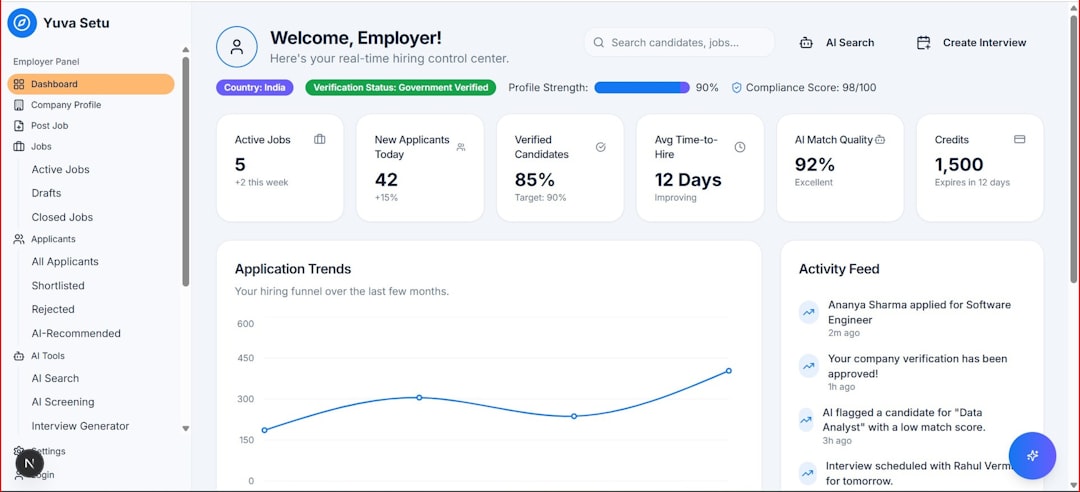
Many scaling tech companies adopt Jira as their backbone system for product delivery due to its detailed sprint analytics and forecasting tools.
Best for: Product-led businesses and engineering-driven teams.
Comparison Chart: Teamwork Alternatives at a Glance
| Tool | Best For | Customization Level | Reporting Strength | Ease of Use |
|---|---|---|---|---|
| Asana | Cross-functional collaboration | High | Strong | Very User-Friendly |
| ClickUp | All-in-one flexibility | Very High | Moderate to Strong | Moderate Learning Curve |
| Monday.com | Visual workflow management | High | Strong | Very User-Friendly |
| Wrike | Resource-heavy teams | Moderate | Very Strong | Moderate |
| Jira | Agile and engineering teams | Very High | Advanced | Steeper Learning Curve |
How to Choose the Right Alternative
Selecting the right Teamwork alternative depends less on feature lists and more on strategic fit. Consider the following questions:
- Does your team prioritize visual simplicity or deep customization?
- Are advanced reporting and analytics critical?
- How technical is your workforce?
- Will different departments require different workflow styles?
- How important is scalability in pricing tiers?
For structured collaboration and goal alignment: Asana is a safe bet.
For maximum flexibility: ClickUp stands out.
For intuitive, visual workflows: Monday.com excels.
For enterprise resource management: Wrike delivers.
For agile software development: Jira dominates.
Final Thoughts
Growing teams often reach a turning point where their project management platform either supports their expansion—or slows it down. While Teamwork remains a solid solution for many organizations, rapidly scaling businesses frequently demand broader integrations, stronger automation, or deeper reporting than it comfortably provides.
The good news is that today’s project management ecosystem is more innovative than ever. Whether your priority is adaptability, visibility, resource optimization, or agile delivery, there’s a powerful alternative waiting to support your next stage of growth.
Ultimately, the ideal solution is one that not only manages projects—but evolves with your ambitions.