 logo
logo




Employee retention and workplace satisfaction are no longer “nice-to-have” metrics—they are mission-critical indicators of business health. Organizations that actively invest in understanding employee sentiment, strengthening communication, and recognizing performance consistently outperform those that do not. This is where modern employee engagement software plays a transformative role, providing data-driven insights and continuous feedback loops that help companies create workplaces where people want to stay and thrive.
TLDR: Employee engagement software helps organizations measure sentiment, improve communication, recognize performance, and reduce turnover. By centralizing feedback, analytics, and recognition programs, these platforms offer insights that strengthen culture and boost satisfaction. The right tool can directly impact retention rates while improving productivity and morale. Choosing the best solution depends on company size, budget, and specific engagement goals.
Why Employee Engagement Directly Impacts Retention
Before exploring the tools themselves, it’s important to understand the connection between engagement and retention. Engaged employees are:
- More productive and focused on outcomes
- More loyal to their organization
- More likely to recommend their workplace to others
- Less likely to seek external opportunities
Disengagement, on the other hand, often manifests as absenteeism, reduced performance, low morale, and eventually turnover. Replacing employees is costly—not just financially, but in terms of institutional knowledge and team dynamics. Engagement software addresses these challenges by identifying problems early, enabling leadership to respond proactively.

What Is Employee Engagement Software?
Employee engagement software is a digital platform designed to measure, analyze, and enhance the employee experience. These tools commonly include:
- Pulse surveys and real-time feedback tools
- Recognition and rewards programs
- Performance tracking dashboards
- Analytics and reporting features
- Goal setting and development tracking
By consolidating employee sentiment and performance data into one centralized system, companies gain actionable insights rather than relying on sporadic annual surveys.
Key Features That Improve Retention and Satisfaction
1. Continuous Feedback Mechanisms
Traditional annual reviews are no longer sufficient. Leading engagement platforms implement continuous pulse surveys that allow organizations to monitor sentiment in real time. Short, frequent surveys:
- Identify morale issues early
- Spot leadership concerns before they escalate
- Improve transparency between management and staff
This responsiveness builds trust—one of the strongest predictors of long-term employee retention.
2. Recognition and Reward Systems
Recognition plays a significant role in workplace satisfaction. According to multiple workforce studies, employees who feel appreciated are far less likely to leave. Engagement software often includes:
- Peer-to-peer recognition tools
- Points-based reward systems
- Public praise dashboards
When recognition becomes part of daily culture, motivation increases and teams feel more connected.
3. Data-Driven Insights and Predictive Analytics
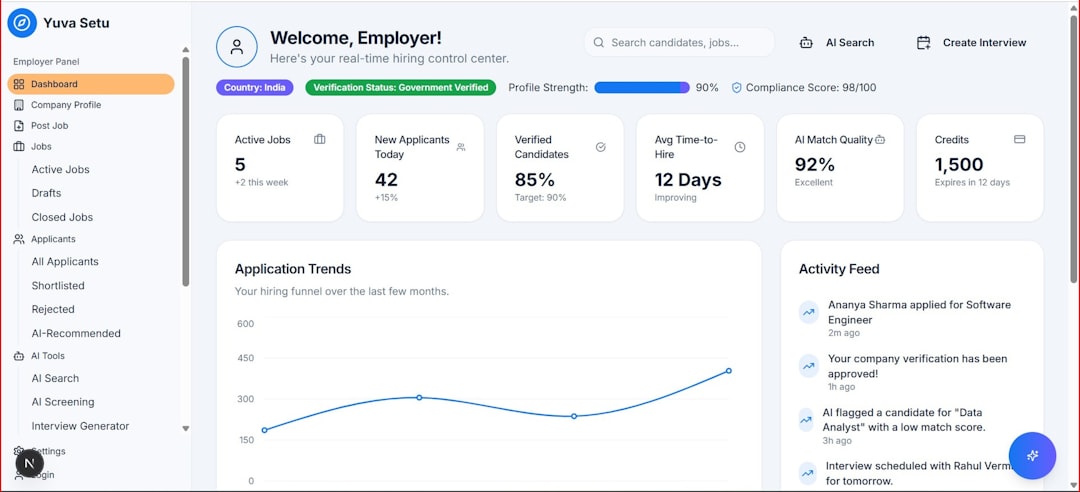
One of the most powerful benefits of modern platforms is predictive analytics. By analyzing participation rates, feedback scores, and performance indicators, these tools can identify patterns associated with potential turnover risks.
Instead of reacting after an employee resigns, leaders can intervene early—offering support, workload adjustments, or career development opportunities.
4. Career Development Tracking
Lack of growth opportunities is a leading driver of resignation. Engagement software often integrates:
- Goal alignment systems
- Learning and development tracking
- Performance review automation
When employees see clear career pathways, their commitment naturally strengthens.
Top Employee Engagement Software Platforms
There are several widely adopted platforms designed to improve employee satisfaction and retention. Below are five popular tools known for delivering measurable engagement outcomes:
- CultureAmp
- 15Five
- Lattice
- Officevibe
- Bonusly
Comparison Chart
| Platform | Best For | Key Features | Analytics Depth | Recognition Tools |
|---|---|---|---|---|
| CultureAmp | Large and mid-sized enterprises | Advanced surveys, benchmarking, performance reviews | High | Moderate |
| 15Five | Performance-driven teams | Weekly check-ins, goal tracking, manager coaching | High | Basic |
| Lattice | Growing tech companies | Performance management, engagement surveys, OKRs | High | Moderate |
| Officevibe | Small to mid-sized teams | Pulse surveys, anonymous feedback, team reports | Moderate | Limited |
| Bonusly | Recognition-focused cultures | Peer recognition, reward catalog, incentive programs | Basic | High |
How These Tools Strengthen Company Culture
Engagement software doesn’t just measure culture—it shapes it.
Increased Transparency
Open feedback channels foster honest dialogue. Anonymous surveys empower employees to speak candidly, while dashboards keep leadership accountable.
Manager Accountability
Many platforms provide manager-specific reports, highlighting engagement scores at the team level. Leaders can no longer rely on assumptions; they must actively respond to measurable feedback.
Stronger Communication Loops
When employees see tangible changes based on their input, trust grows. The cycle of ask → listen → act → communicate results reinforces long-term loyalty.

Implementation Best Practices
Simply purchasing software is not enough. To maximize retention gains, organizations should:
1. Secure Leadership Buy-In
Executives must actively participate and communicate why engagement matters. Without visible leadership support, adoption rates suffer.
2. Communicate Clearly
Explain how feedback will be used. Assure employees that responses are confidential and designed to improve—not punish.
3. Act on Results Quickly
Fast follow-up is critical. Even small adjustments demonstrate responsiveness.
4. Monitor Trends, Not Just Snapshots
Focus on long-term engagement patterns rather than isolated data points.
Measuring ROI of Employee Engagement Software
Leadership teams often ask whether engagement platforms justify their cost. The answer lies in measurable outcomes such as:
- Reduced employee turnover rates
- Lower recruitment and training costs
- Higher productivity metrics
- Improved employee Net Promoter Scores (eNPS)
For example, if a company lowers annual turnover by even 5%, the savings in hiring and onboarding costs can exceed the investment in software. Additionally, improved morale tends to translate into better customer satisfaction and revenue performance.
Common Mistakes to Avoid
While engagement tools are powerful, improper use can limit their effectiveness:
- Over-surveying employees, leading to fatigue
- Ignoring feedback results
- Using engagement scores to penalize managers rather than coach them
- Failing to integrate engagement with broader HR strategy
Software is an enabler—not a standalone solution. Culture change still requires human leadership and empathy.
The Future of Employee Engagement Technology
As artificial intelligence continues to evolve, engagement platforms are becoming increasingly predictive and personalized. Future developments include:
- AI-driven sentiment analysis from open-text feedback
- Real-time mood tracking integrations with collaboration tools
- Automated coaching recommendations for managers
- Personalized career development pathways
These innovations shift engagement from reactive measurement to proactive experience design.
Final Thoughts
Employee engagement software has evolved from simple survey tools into strategic workforce intelligence systems. By focusing on continuous feedback, recognition, analytics, and development, businesses can build resilient cultures that prioritize well-being and growth.
Retention and satisfaction are not achieved through perks alone—they require ongoing dialogue, recognition, and support. The right engagement platform empowers organizations to listen more effectively, respond more thoughtfully, and create environments where employees genuinely want to stay. In an era where talent is a company’s greatest asset, investing in engagement technology is not just wise—it is essential for long-term success.