 logo
logo




Choosing a construction CRM is not simply a software purchase; it is an operational decision that affects estimating, follow-up, scheduling, client communication, and revenue visibility. Contractors and construction companies often manage long sales cycles, multiple decision-makers, site visits, bids, change orders, and subcontractor coordination. A suitable CRM should help teams track opportunities from first inquiry to signed contract while keeping documentation organized and accountable.
TLDR: A construction CRM helps contractors centralize leads, bids, client communication, and project handoffs in one system. For example, a remodeling company receiving 30 inquiries per week could use automated follow-ups to reduce missed leads and improve bid response time by 20–30%. The best platform depends on your company size, trade focus, and whether you need a simple sales pipeline or a full construction management system.
Why Construction Companies Need a CRM
In construction, lost information can become lost revenue. A prospect may request a quote, ask for a revision two weeks later, then expect a site meeting before signing. Without a reliable CRM, these details often sit in inboxes, spreadsheets, notebooks, or individual phones.
A strong CRM gives contractors a structured way to manage:
- Leads and opportunities from web forms, referrals, calls, and repeat clients.
- Bid follow-up so estimates do not disappear after being sent.
- Client communication including emails, calls, messages, and meeting notes.
- Sales forecasting for better cash-flow and workforce planning.
- Handoffs from sales to project managers once a job is won.
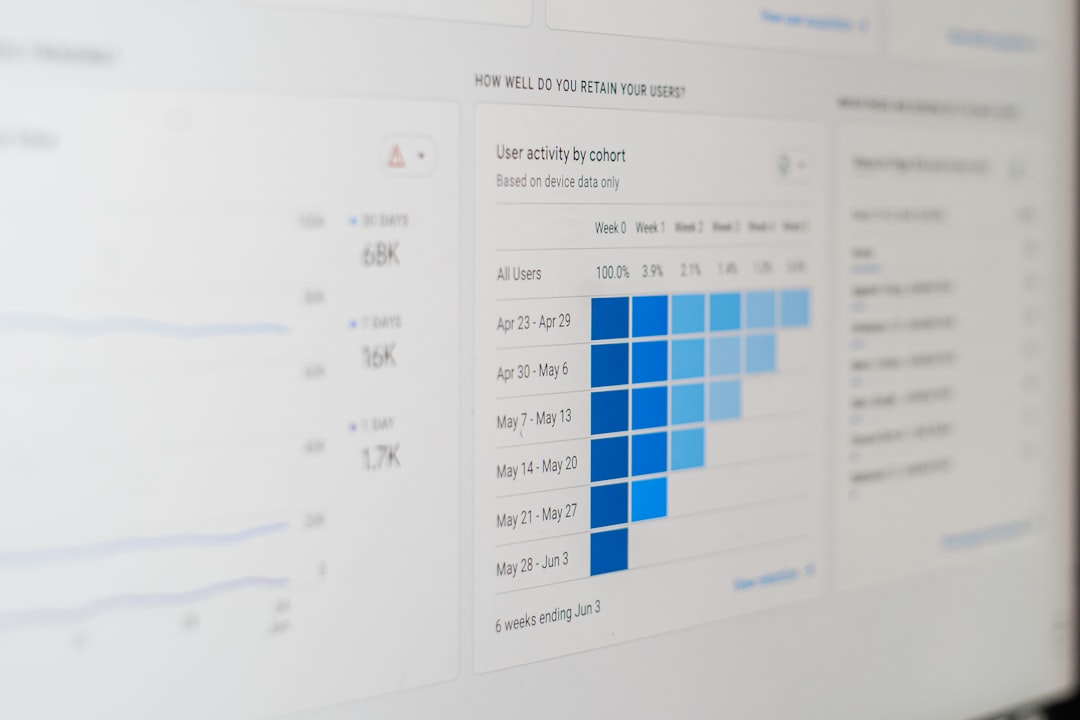
15 CRM Platforms for Contractors and Construction Companies
-
Procore
Procore is best known as a construction management platform, but it also supports preconstruction, bidding, financials, and project communication. It is a strong choice for larger contractors that need CRM-adjacent workflows connected to broader project execution. -
Buildertrend
Buildertrend is widely used by residential builders, remodelers, and specialty contractors. It combines lead management, proposals, scheduling, client communication, selections, and invoicing, making it suitable for companies that want one platform from inquiry to completion. -
CoConstruct
CoConstruct focuses on custom home builders and remodelers. Its strengths include client portals, selections, estimating, budgeting, and communication. It works well for companies that sell high-touch residential projects where customer experience is a major differentiator. -
JobNimbus
JobNimbus is popular among roofing, exterior, and restoration contractors. It offers lead tracking, workflows, task automation, document storage, and integrations with estimating and measurement tools. Its visual pipeline is useful for teams managing many jobs simultaneously. -
AccuLynx
AccuLynx is designed primarily for roofing contractors. It includes CRM features, estimating, production management, supplement tracking, and customer communication. For roofing companies handling insurance-related work, its specialized workflows can be more practical than a generic CRM. -
Followup CRM
Followup CRM is built for construction sales teams, especially commercial contractors. It emphasizes bid tracking, proposal follow-up, sales activity, and pipeline reporting. This platform is suitable for companies that want accountability around estimating and business development performance. -
Contractor Foreman
Contractor Foreman offers CRM, estimating, scheduling, project management, safety, time tracking, and financial tools. It is often considered by small to mid-sized contractors that want broad functionality without adopting several separate systems. -
Builder Prime
Builder Prime is designed for home improvement and specialty contractors, including remodelers, window companies, and outdoor living businesses. It includes lead management, estimating, production tracking, automation, and reporting for sales-driven contractor teams. -
Jobber
Jobber is a practical option for service-based contractors such as landscaping, HVAC, cleaning, and maintenance providers. It combines CRM, quoting, scheduling, dispatching, invoicing, and client notifications. It is especially useful for companies with recurring or field-service work. -
ServiceTitan
ServiceTitan is built for larger home service businesses, including HVAC, plumbing, electrical, and commercial service contractors. It provides lead tracking, call booking, dispatching, marketing attribution, pricebooks, reporting, and revenue analytics. It is powerful but typically requires a serious implementation effort. -
HubSpot CRM
HubSpot is not construction-specific, but it is a strong general CRM for companies that want marketing automation, email tracking, sales pipelines, forms, and reporting. Contractors with a strong digital marketing strategy may benefit from HubSpot’s lead capture and nurturing tools. -
Salesforce
Salesforce is a highly customizable enterprise CRM. It can support complex construction sales processes, account management, partner relationships, and reporting. However, it usually requires configuration, administration, and integrations, making it more appropriate for larger organizations with defined processes. -
Zoho CRM
Zoho CRM offers lead management, automation, email, analytics, and integrations at a competitive cost. It can work for small construction businesses that want a flexible CRM without paying for a heavy industry-specific platform. -
Pipedrive
Pipedrive is known for its simple visual sales pipeline. It is useful for contractors that need disciplined follow-up, deal stages, activity reminders, and sales reporting. It does not replace construction project management software, but it can improve sales organization quickly. -
monday sales CRM
monday sales CRM offers customizable boards, automations, dashboards, and collaboration features. Construction teams can adapt it for lead tracking, bid management, vendor coordination, and client follow-up. It is a flexible option for companies that prefer visual workflow management.

How to Choose the Right Construction CRM
The right CRM should reflect how your company actually sells and delivers work. A commercial general contractor tracking negotiated bids has different needs from a roofing company managing insurance claims or a home builder guiding clients through selections.
Before choosing a platform, evaluate these factors:
- Company size: Small teams may need simplicity, while larger firms may require detailed permissions, reporting, and integrations.
- Trade specialization: Roofing, remodeling, service contracting, and commercial construction often benefit from specialized features.
- Sales process complexity: If your bids involve several revisions, approvals, and stakeholders, choose a CRM with strong activity tracking.
- Integration needs: Consider accounting, estimating, email, phone systems, measurement tools, and project management software.
- Field usability: Sales reps, estimators, and project managers should be able to update information from mobile devices.
Common Mistakes to Avoid
One of the most common mistakes is buying software before defining the process. A CRM can support discipline, but it cannot replace it. Contractors should first determine lead stages, follow-up rules, estimating responsibilities, and handoff requirements.
Another mistake is treating CRM adoption as an office-only initiative. If estimators and field teams do not update notes, photos, proposal status, or client concerns, management will still lack reliable visibility. Training and accountability are essential.
Finally, avoid over-customization at the beginning. Start with a clean pipeline, basic automations, and essential reports. Add complexity only after the team consistently uses the system.

Final Thoughts
A construction CRM should help your company win more work, respond faster, and maintain a clear record of every opportunity. Platforms such as Buildertrend, Procore, JobNimbus, AccuLynx, and Followup CRM offer industry-specific advantages, while HubSpot, Salesforce, Zoho, Pipedrive, and monday sales CRM provide flexible sales management capabilities.
The best choice is the one your team will actually use. For most contractors, that means a CRM with practical workflows, mobile access, reliable reporting, and a clear connection between sales activity and project delivery. When implemented carefully, a CRM becomes more than a database; it becomes a central system for growth, accountability, and client trust.