 logo
logo



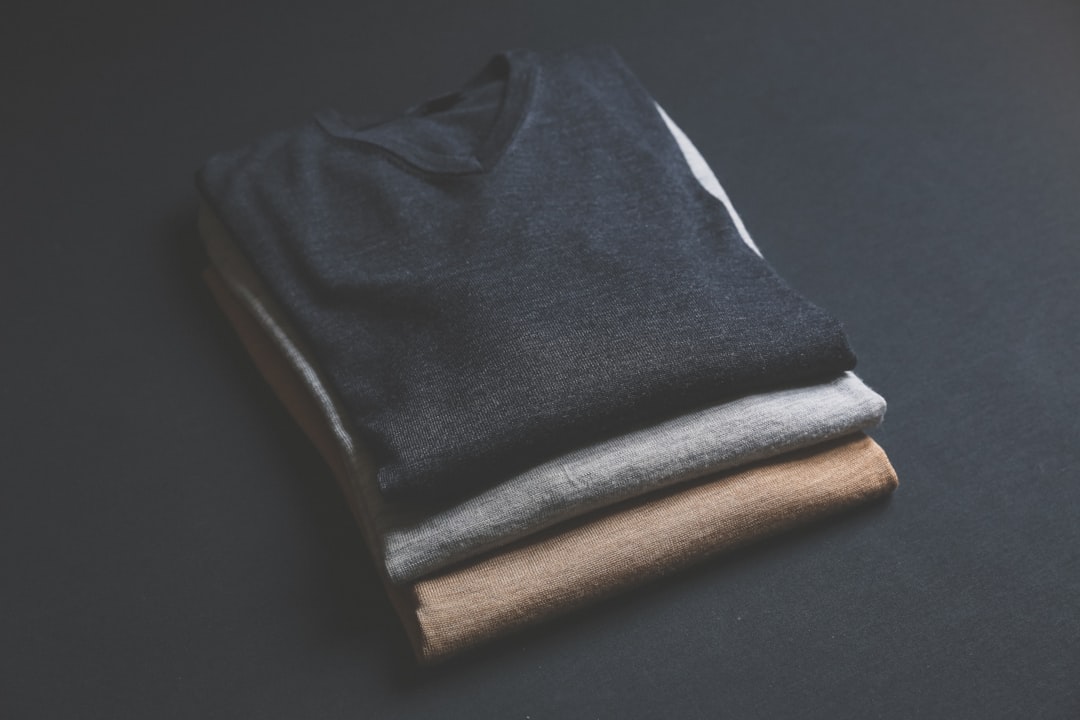
Ever picked up a T-shirt and thought, “Wow, this shirt feels like air,” or “Is this secretly chain mail?” You are not alone. T-shirt weight can change a lot based on size, fabric, and thickness. The good news is that it is easy to understand once you know the basics.
TLDR: Most adult T-shirts weigh between 4 and 7 ounces, or about 113 to 198 grams. A small lightweight cotton tee may weigh around 3.5 ounces, while a heavy oversized shirt can reach 9 ounces or more. Fabric matters a lot: polyester is usually lighter, while heavyweight cotton is thicker and heavier. Size also matters because more fabric means more weight.
So, How Much Does a T-Shirt Weigh?
A regular adult T-shirt usually weighs around 5 ounces. That is about the weight of a small apple. Not too heavy. Not too light. Just right for daily wear.
But not every tee is the same. A slim small shirt and a thick 3XL shirt are very different. One feels like a soft breeze. The other feels like it could survive a camping trip, a dog chase, and three laundry disasters.
Here is a simple average:
- Lightweight T-shirt: 3 to 4.5 ounces
- Medium weight T-shirt: 4.5 to 6 ounces
- Heavyweight T-shirt: 6 to 9 ounces
In grams, that is about:
- Lightweight: 85 to 128 grams
- Medium weight: 128 to 170 grams
- Heavyweight: 170 to 255 grams
Average T-Shirt Weight by Size
Size is one of the biggest reasons T-shirt weight changes. Bigger shirts use more fabric. More fabric means more weight. Simple.
Here is a general guide for a standard adult cotton T-shirt:
- XS: 3.5 to 4.5 ounces, or 99 to 128 grams
- S: 4 to 5 ounces, or 113 to 142 grams
- M: 4.5 to 5.5 ounces, or 128 to 156 grams
- L: 5 to 6.5 ounces, or 142 to 184 grams
- XL: 5.5 to 7 ounces, or 156 to 198 grams
- 2XL: 6.5 to 8 ounces, or 184 to 227 grams
- 3XL: 7.5 to 9.5 ounces, or 213 to 269 grams
These are averages. A thin XL shirt can weigh less than a thick medium shirt. Fabric type and thickness still matter.
Average T-Shirt Weight by Material
The fabric is the real star of the show. It controls how the shirt feels, hangs, breathes, and weighs. Think of fabric like pizza crust. Thin crust is light. Deep dish is heavy. Both are great. It depends on your mood.
Cotton T-Shirts
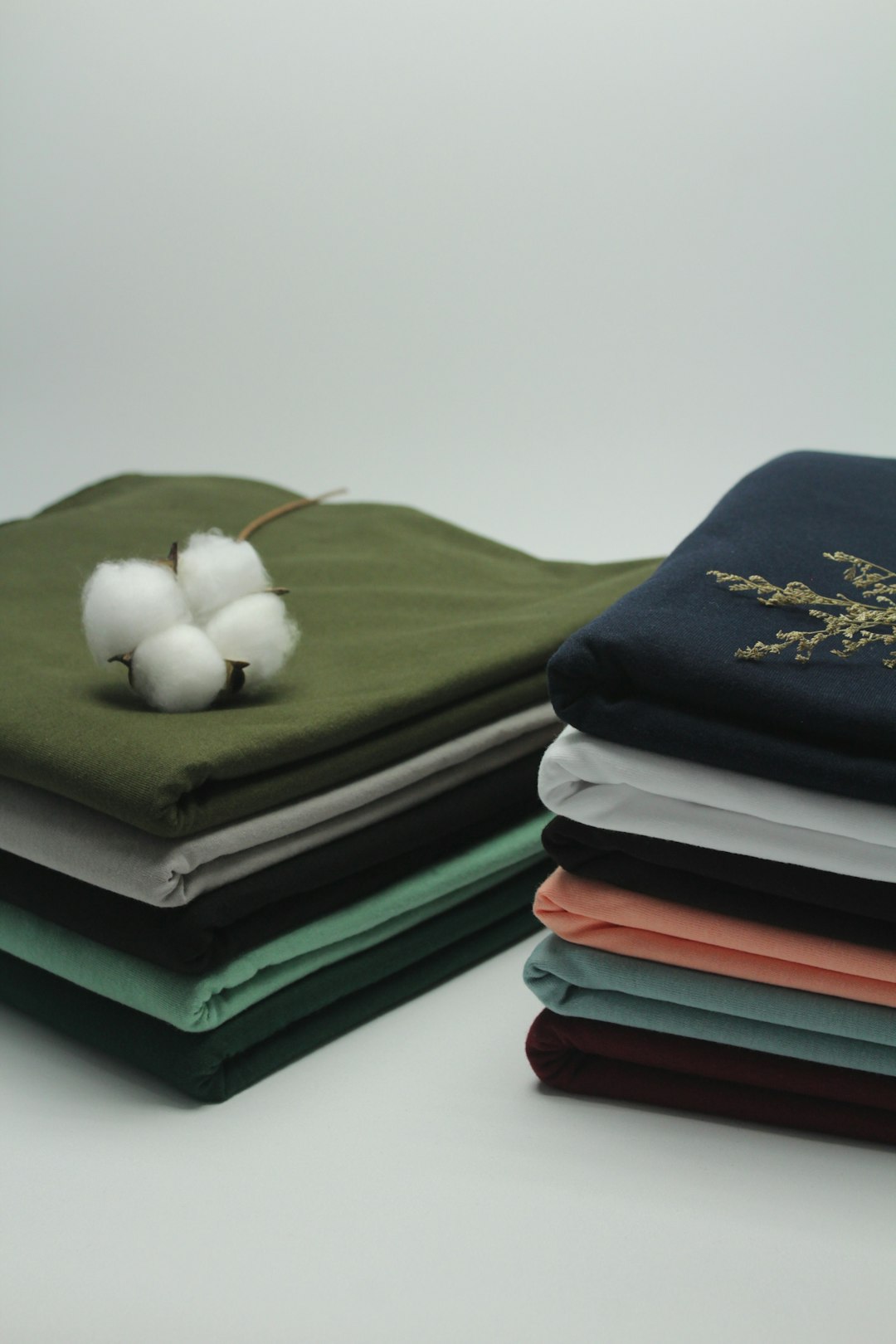
Cotton is the classic choice. It is soft, breathable, and easy to wear. Most cotton T-shirts weigh between 4.5 and 7 ounces.
Light cotton tees are great for hot days. Heavy cotton tees feel more sturdy. They are often used for premium shirts, workwear, or streetwear.
- Light cotton: soft and airy
- Midweight cotton: good for everyday wear
- Heavy cotton: thick, firm, and durable
Polyester T-Shirts
Polyester is usually lighter than cotton. It is common in sports shirts. It dries fast and does not soak up sweat the same way cotton does.
A polyester T-shirt often weighs around 3 to 5 ounces. That makes it great for the gym, running, and travel.
It can feel smooth and cool. But some people find it less soft than cotton. Also, it may hold onto odors more. Yes, your gym bag knows.
Cotton Polyester Blend T-Shirts
A cotton polyester blend gives you a bit of both worlds. It feels softer than pure polyester. It is usually lighter and faster drying than pure cotton.
Most blend T-shirts weigh around 4 to 6 ounces. They are popular because they are easy to wear and easy to wash.
Common blends include:
- 50 percent cotton, 50 percent polyester
- 60 percent cotton, 40 percent polyester
- 65 percent polyester, 35 percent cotton
Tri Blend T-Shirts
Tri blend shirts usually mix cotton, polyester, and rayon. They are loved because they feel very soft. Almost fancy. Like your T-shirt went to a spa.
Tri blend tees often weigh around 3.5 to 5.5 ounces. They are light, stretchy, and comfy. They also drape well, which means they hang nicely on the body.
Rayon and Bamboo T-Shirts
Rayon and bamboo fabrics can feel smooth and silky. They are often lightweight. Many weigh around 3.5 to 5 ounces.
They can be great for soft fashion tees. However, they may need more careful washing. You cannot always toss them around like a tough old gym shirt.
What Does “Fabric Weight” Mean?
You may see fabric weight listed as GSM. That means grams per square meter. It tells you how heavy the fabric is before it becomes a shirt.
Here is the easy version:
- 120 to 150 GSM: lightweight
- 150 to 180 GSM: medium weight
- 180 to 220 GSM: heavyweight
- 220 plus GSM: extra heavy
A higher GSM usually means a thicker shirt. But not always. Some fabrics are dense but still soft. Others are thick but loose. Fabric is sneaky like that.
Why T-Shirt Weight Matters
T-shirt weight is not just a random number. It affects comfort, shipping, printing, and style.
- Comfort: Lighter shirts feel cooler. Heavier shirts feel more structured.
- Weather: Thin tees are better for summer. Thick tees are better for cooler days.
- Durability: Heavy shirts may last longer, but fabric quality matters too.
- Printing: Thicker shirts can feel more premium for screen printing.
- Shipping: Weight affects postage costs, especially for bulk orders.
If you are packing for a trip, shirt weight matters. Ten lightweight tees take less space and weigh less than ten heavyweight tees. Your suitcase will thank you. Your back will too.
How Much Does a T-Shirt Weigh for Shipping?
For shipping, you need to count more than the shirt. You also need the mailer, tag, tissue paper, or packaging.
A single T-shirt ready to ship usually weighs:
- Light shirt with packaging: 5 to 7 ounces
- Medium shirt with packaging: 6 to 8 ounces
- Heavy shirt with packaging: 8 to 11 ounces
If you ship two shirts, the package may weigh around 12 to 16 ounces. If the shirts are heavy, it can be more. This is why online stores often weigh products before setting shipping rates.

Quick Comparison Chart
| Type of T-Shirt | Average Weight | Best For |
|---|---|---|
| Lightweight cotton | 3.5 to 5 oz | Summer, layering, travel |
| Midweight cotton | 5 to 6.5 oz | Everyday wear |
| Heavy cotton | 6.5 to 9 oz | Streetwear, workwear, premium tees |
| Polyester | 3 to 5 oz | Sports, gym, outdoor use |
| Tri blend | 3.5 to 5.5 oz | Soft fashion tees |
How to Weigh a T-Shirt at Home
You do not need a science lab. You just need a small kitchen scale.
- Make sure the shirt is dry.
- Fold it neatly.
- Place it on the scale.
- Read the weight in ounces or grams.
- Do a tiny victory dance. Optional, but recommended.
If you only have a bathroom scale, it may not be accurate enough. T-shirts are too light. A kitchen scale is much better.
Final Thoughts
Most T-shirts weigh between 4 and 7 ounces. Small, thin shirts can weigh less. Large, thick shirts can weigh much more. Cotton is usually heavier than polyester. Blends often sit in the middle.
If you want a cool summer tee, choose lightweight fabric. If you want a sturdy shirt with a premium feel, choose heavyweight cotton. If you want something soft and easy, try a blend or tri blend.
In the end, the best T-shirt weight is the one that feels good on you. Because a great T-shirt should not feel like homework. It should feel like your favorite lazy Sunday.
