 logo


HubSpot is usually the better pick for teams that need one clean system for marketing, sales, CRM, and reporting, while ActiveCampaign is often the sharper choice for smaller teams that want powerful email automation at a lower cost. The decision comes down to where prospects get stuck. HubSpot reports more than 247,000 customers across over 135 countries, which shows how widely it is used by growing sales and marketing teams [source: HubSpot].
TLDR: HubSpot helps more when prospects need sales follow-up, pipeline tracking, forms, landing pages, and CRM visibility in one place. ActiveCampaign helps more when email timing, segmentation, and behavior-based automation are the main conversion tools. For example, a 12-person SaaS company with 1,500 monthly leads might use ActiveCampaign to lift trial-to-demo bookings by 18%, while HubSpot could help the same team reduce missed follow-ups by 25% through clearer deal tracking. If the sales cycle involves humans, HubSpot tends to win; if the sale is mostly email-driven, ActiveCampaign often wins.
Where HubSpot Wins
HubSpot is built around the full customer journey. That matters because prospects rarely convert after one email. They read a page, download a guide, ask a question, ignore a call, return two weeks later, and then book a demo. HubSpot connects those actions to one contact record.
Its biggest strength is CRM alignment. Marketing teams can see which campaigns create leads. Sales teams can see which pages a prospect viewed. Managers can see where deals stall. That visibility cuts down on the classic mess where marketing says leads are good and sales says they are not.
HubSpot also shines when a company needs:
- Lead capture: forms, popups, landing pages, and chat tools.
- Sales pipelines: deal stages, tasks, notes, and activity logs.
- Lead scoring: points based on fit and behavior.
- Reporting: dashboards for campaigns, revenue, and funnel health.
- Content tools: blogs, emails, CTAs, and simple website pages.
The catch is that HubSpot can get expensive once a team needs advanced automation, custom reporting, or larger contact volumes. A company may start on a friendly plan, then discover that the features needed for serious conversion work sit in higher tiers. That pricing jump can sting.

Where ActiveCampaign Wins
ActiveCampaign is strongest in email automation. It gives marketers a flexible way to react to prospect behavior. If a prospect clicks a pricing link, skips a webinar, visits a product page, or stops opening messages, ActiveCampaign can trigger a tailored sequence.
That makes it a strong fit for eCommerce brands, creators, coaches, subscription businesses, agencies, and lean B2B teams. It is especially useful when the buying path depends on nurture rather than sales calls.
ActiveCampaign is good at:
- Behavior-based email flows: actions can trigger messages instantly.
- Segmentation: contacts can be grouped by tags, clicks, purchases, and interests.
- Personalization: emails can change based on contact data.
- Split testing: teams can test subject lines and automation paths.
- Customer retention: win-back campaigns and post-purchase flows work well.
Honestly, it feels like ActiveCampaign sometimes hides simple tasks behind too many clicks. Building automations is powerful, but large workflows can become fussy. Teams may need naming rules and cleanup habits, or the account becomes a maze of tags, lists, and half-used sequences.
Which Platform Converts Better?
No platform converts prospects by magic. The better tool is the one that fixes the weakest part of the funnel.
If lead response is slow, HubSpot has the edge. A sales rep can get a task, call the lead, log the outcome, and move the deal. Managers can spot neglected prospects. That is useful for B2B firms selling software, consulting, manufacturing services, financial products, or high-ticket offers.
If leads are not ready to buy yet, ActiveCampaign may perform better. It can send useful content, detect interest, and push the right offer after the right behavior. That helps teams warm up prospects without hiring more staff.
For a simple benchmark, many marketers track lead response time because fast follow-up is tied to better outcomes. Harvard Business Review reported that companies contacting potential customers within an hour were much more likely to qualify leads than slower responders [source: Harvard Business Review]. HubSpot is stronger when that speed depends on sales workflow. ActiveCampaign is stronger when speed depends on automated email.
Ease of Use
HubSpot feels cleaner at first. The contact timeline is easy to understand. A sales manager can open a record and see emails, calls, forms, meetings, and deal movement. That matters when teams are busy and do not want another system that needs babysitting.
ActiveCampaign has a steeper learning curve in automation. Its builder is visual and flexible, but flexibility has a cost. A small team can build smart journeys, then later wonder why one prospect received four emails in two days. Expect to waste time on cleanup if rules are rushed.

Sales CRM and Pipeline Management
HubSpot is the stronger CRM. Deals, stages, tasks, quotes, meeting links, and sales sequences fit together well. It is easier for leadership to see the health of the sales funnel.
ActiveCampaign has CRM features, but they feel secondary. They work for simple pipelines. They may not satisfy teams that need detailed sales operations, permission controls, forecasting, and advanced reporting.
For customer conversion, this split is critical. A company with a sales team needs accountability. HubSpot gives that accountability. A company selling through emails, checkout pages, or booked calls may not need as much CRM depth. ActiveCampaign can be enough.
Automation Quality
ActiveCampaign often beats HubSpot on pure email automation value. Its automations are flexible and quick to adjust. Tags, goals, conditions, and triggers make it easy to design detailed nurture paths.
HubSpot automation is strong too, especially in higher plans. Its workflows can update lifecycle stages, assign owners, create tasks, send internal alerts, and push deals forward. The real win is not just email. It is the link between marketing actions and sales actions.
So the question is simple. Does the team need better email logic or better revenue process? ActiveCampaign handles the first. HubSpot handles the second.
Reporting and Attribution
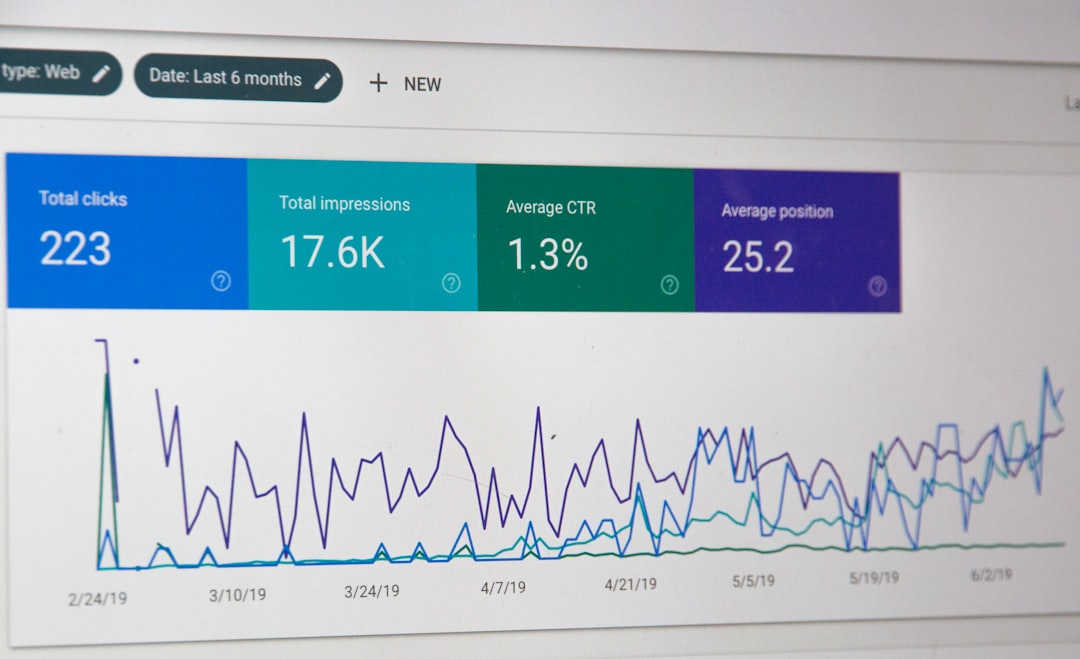
HubSpot has the stronger reporting system for revenue teams. It can connect forms, pages, emails, ads, contacts, deals, and closed revenue. This helps teams see which channels produce customers, not just clicks.
ActiveCampaign reporting works well for email metrics. Open rates, click rates, automation performance, and campaign results are accessible. But revenue attribution can feel limited unless the team connects it with other tools.
Pricing Considerations
ActiveCampaign is often more budget-friendly for teams focused on email marketing. It gives strong automation without forcing a company into a large suite.
HubSpot can cost more as needs grow. Yet that higher cost can make sense if it replaces several tools. A team may avoid paying separately for a CRM, form builder, landing page tool, scheduler, reporting system, and sales engagement platform.
The practical question is not which tool is cheaper. It is which tool prevents the most lost deals.
Best Fit by Business Type
- HubSpot: B2B companies, sales-led teams, agencies with long sales cycles, SaaS companies, service firms, and firms that need clear pipeline reporting.
- ActiveCampaign: eCommerce brands, course sellers, newsletter businesses, small service teams, coaches, creators, and companies built around automated nurture.
- Either: startups with mixed needs, depending on whether CRM or email automation is more urgent.
Final Recommendation
HubSpot is the better choice when prospects must be tracked from first visit to closed deal. It reduces confusion between marketing and sales. It also gives leaders cleaner data about what turns into revenue.
ActiveCampaign is the better choice when conversion depends on sending the right message at the right moment. It is powerful, focused, and usually easier to justify for email-heavy businesses.
A company trying to turn more prospects into new customers should map its funnel first. If prospects fall through because reps miss tasks, choose HubSpot. If prospects go cold because nurture is weak, choose ActiveCampaign.
FAQ
Is HubSpot better than ActiveCampaign for B2B sales?
Yes, in most cases. HubSpot has a stronger CRM, better pipeline tools, and clearer sales reporting. It suits teams that rely on calls, demos, proposals, and deal stages.
Is ActiveCampaign better for email marketing?
Often, yes. ActiveCampaign offers strong segmentation and automation for email-focused campaigns. It is a smart pick when nurture sequences drive most conversions.
Which tool is easier to use?
HubSpot is usually easier for mixed sales and marketing teams. ActiveCampaign is easy enough for email campaigns, but complex automations can become messy without strong organization.
Which platform is cheaper?
ActiveCampaign is usually cheaper for email automation. HubSpot can cost more, but it may replace several separate sales and marketing tools.
Can both tools help turn prospects into customers?
Yes. HubSpot improves follow-up, sales tracking, and funnel visibility. ActiveCampaign improves automated nurture, segmentation, and email timing. The better choice depends on where prospects are being lost.
