 logo
logo



Modern healthcare teams need CPR education that is consistent, measurable, and easy to repeat without removing staff from clinical work for long classroom sessions. RQI, or Resuscitation Quality Improvement, is a subscription-based training model commonly associated with the American Heart Association and Laerdal Medical, designed to help clinicians maintain high-quality CPR skills through frequent, short practice sessions and objective feedback.
TLDR: RQI is best suited for hospitals, emergency departments, and clinical organizations that want low-dose, high-frequency CPR training instead of occasional recertification classes. For example, a nurse may complete a 10-minute quarterly skills session on a manikin station and receive real-time feedback on compression depth, recoil, and ventilation. Organizations often choose RQI to improve compliance tracking, reduce scheduling burden, and standardize resuscitation skills across large teams. Smaller clinics may still prefer traditional BLS or ACLS courses if they do not need ongoing analytics or dedicated training stations.
What Is RQI?
RQI is a digital and hands-on CPR training program focused on maintaining resuscitation competence over time. Instead of relying only on a course every two years, it uses brief, recurring practice sessions to reinforce critical skills. The model is built around the idea that cardiopulmonary resuscitation performance can decline within months after traditional training, especially when a clinician does not use those skills regularly.
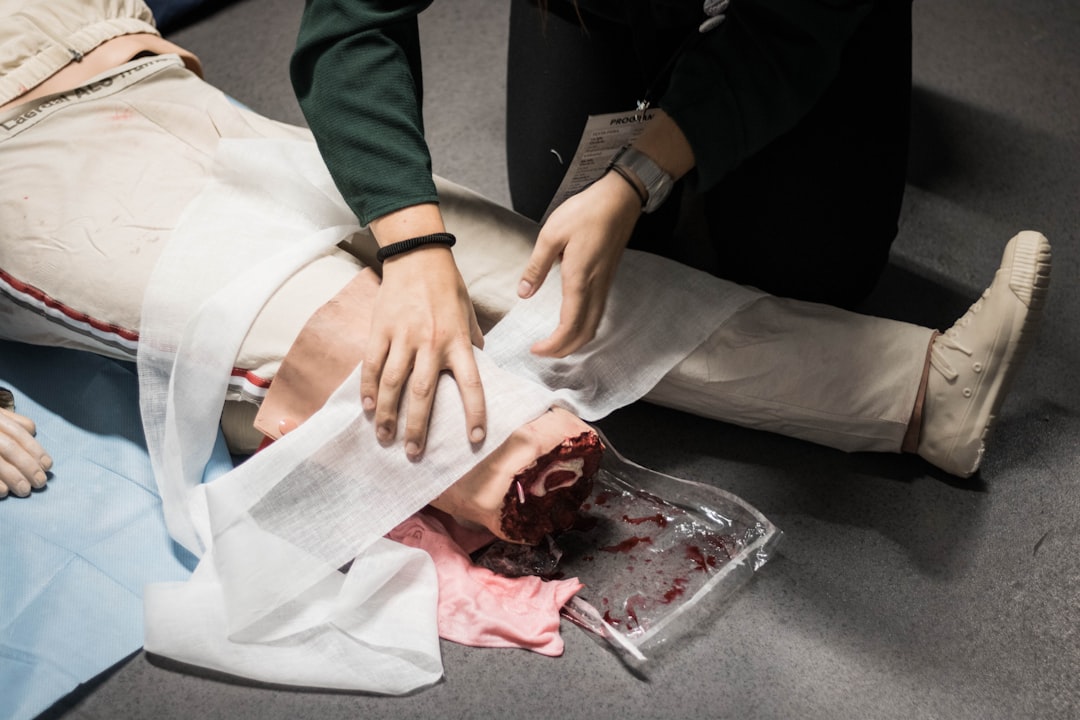
In a typical RQI setup, healthcare professionals complete online cognitive modules and then practice CPR skills on instrumented manikins. These manikins can measure performance details such as compression rate, compression depth, full chest recoil, hand placement, and ventilation quality. The system provides immediate feedback, allowing learners to adjust technique during the session rather than waiting for an instructor to evaluate them later.
Main Features of RQI
RQI’s strongest feature is its combination of skills practice, digital learning, and performance data. This makes it more than a simple certification platform. It functions as a continuous quality improvement tool for resuscitation readiness.
- Quarterly skills sessions: Learners complete short practice assignments throughout the year, helping reinforce muscle memory and clinical confidence.
- Real-time feedback: The manikin system measures CPR quality and shows whether compressions and ventilations meet target standards.
- Automated tracking: Administrators can monitor completion rates, overdue assignments, and competency status across teams or departments.
- Blended learning: The program combines online knowledge modules with hands-on CPR performance evaluation.
- Standardized assessment: Every learner is measured against similar criteria, reducing variation between instructors or departments.
- Flexible access: Staff can often complete sessions during a shift, depending on station availability and institutional policy.
For large healthcare systems, these features can be especially valuable. A hospital with hundreds or thousands of employees may struggle to coordinate in-person CPR classes without affecting staffing. RQI helps spread training across the year, which can reduce bottlenecks and make compliance easier to manage.
CPR Training Capabilities
RQI focuses heavily on the technical quality of CPR. In traditional classes, an instructor may observe learners and offer corrections, but human observation can be inconsistent. RQI’s instrumented manikins provide measurable data, which is useful because small CPR errors can matter during real emergencies.
The platform typically evaluates whether compressions are deep enough, whether the rate is appropriate, and whether the chest fully recoils between compressions. It may also assess ventilation volume and timing, depending on the program and equipment configuration. These details are important because excessive ventilation, shallow compressions, or incomplete recoil can reduce CPR effectiveness.
The practical advantage is repetition. A clinician who practices every quarter is more likely to notice slipping technique before it becomes a serious issue. Even a short session can remind a staff member to slow down compressions, push deeper, or pause less often. Over time, this makes CPR training feel less like a one-time requirement and more like an ongoing clinical habit.
User Experience and Accessibility
From a learner’s perspective, RQI is generally designed to be quick and direct. The user logs in, completes assigned learning activities, practices on the manikin station, and receives a completion result. If performance is below standard, the system allows additional practice until the learner meets requirements.
This can be encouraging for clinicians who prefer a private, self-paced environment. Instead of performing in front of a large classroom, a learner can repeat a skill station until the feedback confirms competence. However, some users may find the technology-based setup less personal than an instructor-led class. Others may need time to adjust to the precision of computerized scoring, especially if they are used to more flexible manual evaluation.
Benefits for Healthcare Organizations
For administrators, RQI offers several operational benefits. The most notable is compliance visibility. Managers can see who is current, who is approaching a deadline, and which departments may need reminders. This can help reduce last-minute recertification problems and support accreditation readiness.
Another benefit is educational consistency. Every learner receives the same performance expectations, which can help standardize CPR quality across intensive care units, emergency departments, surgical units, and outpatient settings. In organizations where patient safety metrics are closely monitored, this level of consistency can be important.
RQI may also reduce the need for large group classes. While the organization still needs equipment, space, and program management, the training schedule can become more flexible. For busy hospitals, that flexibility can be a major advantage.
Potential Limitations
RQI is not ideal for every environment. The program usually requires investment in training stations, software, maintenance, and administrative oversight. Smaller practices with only a few clinicians may find traditional CPR courses more practical and cost-effective.
Some learners may also miss the discussion-based learning found in instructor-led programs. Real-world resuscitation involves teamwork, communication, role assignment, and crisis leadership. While RQI is strong for individual CPR skill quality, organizations may still need simulation training, mock codes, or team-based exercises to address those broader skills.
Another consideration is station access. If many staff members must complete sessions near the same deadline, limited manikin availability can create scheduling pressure. Successful implementation often depends on clear planning, reminders, and leadership support.
Healthcare Alternatives to RQI
Healthcare organizations comparing RQI with other options should consider training goals, budget, staff size, and regulatory requirements. RQI is a strong choice for continuous competency maintenance, but it is not the only path.
- Traditional AHA BLS, ACLS, and PALS courses: These remain widely recognized and may be better for smaller teams or learners who benefit from direct instructor interaction.
- Red Cross resuscitation training: This can be suitable for organizations seeking established CPR and emergency cardiovascular care education with flexible delivery formats.
- In-house simulation programs: Hospitals with simulation centers may build realistic code scenarios that emphasize leadership, communication, defibrillator use, and team coordination.
- Online blended CPR courses: These may combine eLearning with a brief hands-on skills check, offering a middle ground between classroom training and continuous systems like RQI.
- Vendor-specific clinical training platforms: Some healthcare education companies provide learning management systems, competency tracking, and skills validation tools tailored to institutional needs.

Final Review: Is RQI Worth It?
RQI is a compelling option for healthcare organizations that want CPR training to be measurable, repeatable, and integrated into daily operations. Its biggest strengths are objective feedback, frequent practice, and administrative tracking. These features can help keep resuscitation skills from fading between certification cycles.
However, RQI should not be viewed as a complete replacement for every type of emergency training. It is strongest when paired with team simulations, mock codes, and clinical debriefing. For large hospitals and health systems, it can be a valuable foundation for CPR quality improvement. For smaller clinics, traditional BLS or blended courses may be simpler and more affordable.
FAQ
What does RQI stand for?
RQI stands for Resuscitation Quality Improvement. It is a CPR training and competency maintenance approach that uses frequent practice and objective performance feedback.
Who is RQI best for?
RQI is best suited for hospitals, emergency departments, inpatient units, and large healthcare organizations that need ongoing CPR skills validation for many staff members.
Does RQI replace BLS certification?
In many healthcare settings, RQI may be used as a recognized pathway for maintaining resuscitation credentials, depending on the organization’s policies and program configuration. Staff should always follow employer and regulatory requirements.
How often do learners complete RQI training?
Many RQI models use quarterly skills sessions, allowing clinicians to refresh CPR technique several times per year rather than waiting for a two-year renewal cycle.
What skills does RQI measure?
RQI commonly measures compression depth, compression rate, chest recoil, hand placement, and ventilation quality. Exact measurements may vary by equipment and program setup.
What are the main alternatives to RQI?
Common alternatives include traditional AHA courses, Red Cross CPR programs, blended online CPR training, in-house simulation labs, and custom healthcare competency platforms.