 logo
logo



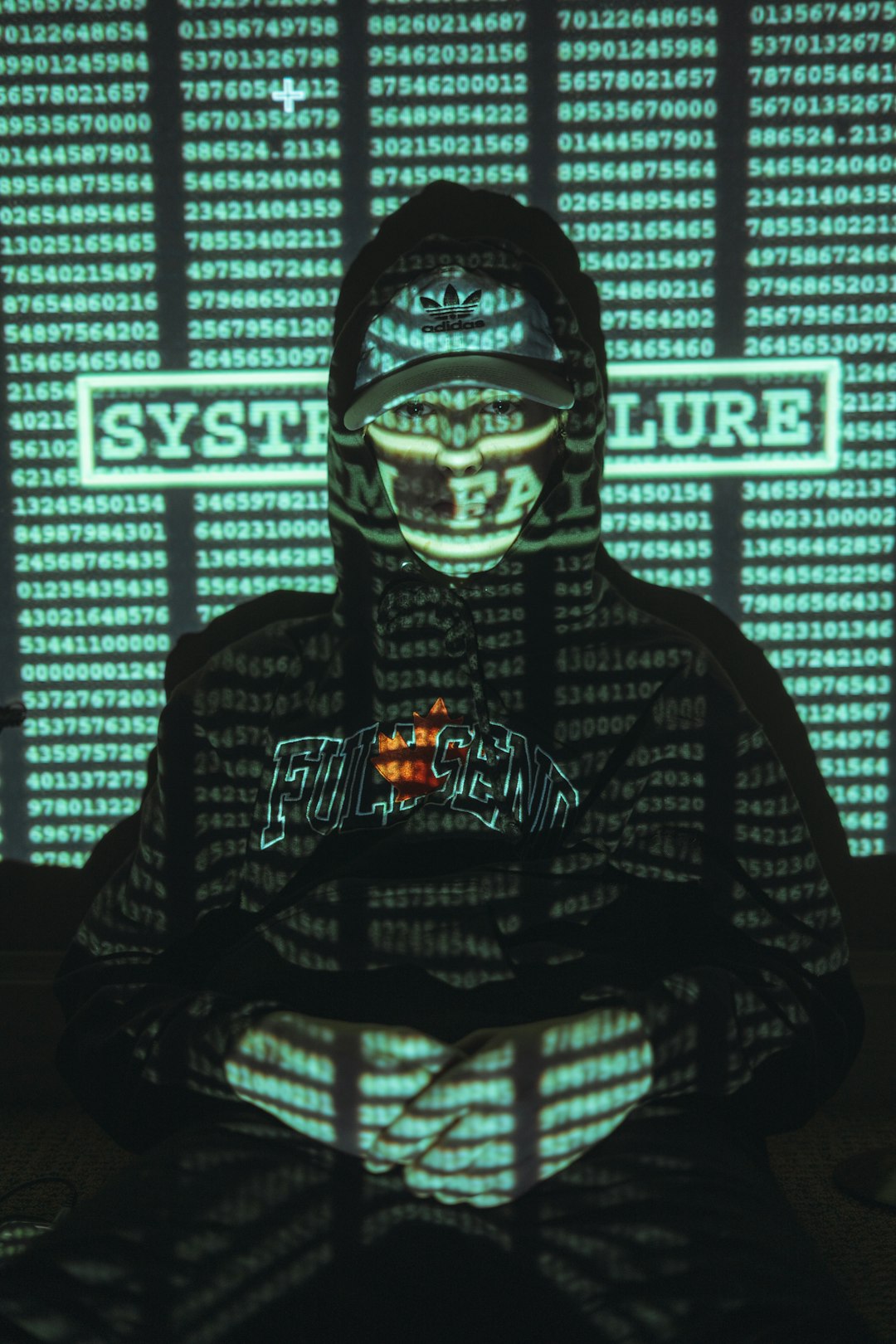
The education sector has become a more frequent target of cyberattacks in recent years. With technology being part of the classroom and administration, protecting sensitive information is essential. In this post, we will be discussing the significance of cybersecurity in educational institutions and ways to enhance digital protection.
The Rising Threats
From personal details of students and staff to financial records and intellectual property, educational institutions have a lot of data to protect, which is why the need for cybersecurity for education industry is important. These data stores are seen as a dream catch for all cybercriminals out there. Phishing scams, ransomware, and data breaches are just a few examples of threats that can derail a business and jeopardize sensitive data.
Schools and universities often do not have the budget to keep up with the latest cybersecurity protocols. They are also likely to be targeted due to tight budgets and antiquated systems. And this vulnerability increases as institutions adopt digital tools for both teaching and administration.
Understanding Vulnerabilities
In fact, a lot of education systems use outdated software & hardware, containing security vulnerabilities. Frequent updates and patches can help defend against known vulnerabilities. But tight budgets do push essential updates like this into the far future.
And personal devices that students and staff may carry to school could pose security threats. These devices are inherently less secure and can provide pathways for attackers. It is important to ensure that all the devices are adhering to security protocols.
Implementing Strong Policies
Education needs to have blanket cybersecurity policies. Policies may include data protection standards, incident response, and user incident access. By training staff and students on these policies, they help foster a culture of security awareness.
With properly structured training sessions, everyone can be given the information needed to identify phishing and other threats. These training sessions can be followed up by simulated attacks to test their effectiveness, reiterating the need for vigilance.
Investing in Technology
Budget limitations are real, but so is investing in the right technology. Tools like firewalls, antivirus software, and intrusion detection systems can keep potential attacks at bay. Cloud-based and tend to be scalable, and often come with in-house security.
Encryption is another critical technology. With encryption of sensitive information, even if information can be intercepted, it will be impervious to anyone not authorized to access it. Having this added layer of security could prevent cybercriminals from targeting a specific system.
Collaborative Efforts
Working with education partners and security professionals will strengthen security. Working alongside experts can provide schools with insights into current threats and proven solutions. And government and non-profit partnerships offer more resources and help.
This is especially true in the case of high-level incidents where these institutions share information either about threats they are facing or attacks they have already suffered. Institutions can prepare and protect themselves against attackers by comprehending the techniques employed in attacks on other schools.
Developing a Response Plan
However, breaches do happen despite all preventive measures taken. Incident response plan: First and foremost, one should have an incident response plan. This plan should include the necessary steps that need to be taken to identify, contain, and recover from an attack. Keeping the response plan regularly reviewed and updated will keep it effective.
An essential part of any response plan is communication. Notifying impacted parties and authorities right away will help reduce the harm. Being open about the incidents helps the users to trust him and shows that he cares about security.
The Role of Education
Education alone is a major cybersecurity factor. Institutions can ready students for the digital future by integrating cybersecurity topics into the curriculum. Educating students on online safety and privacy creates habits that can last a lifetime.
Cybersecurity courses can motivate future generations of cybersecurity professionals as well. With the escalating need for skilled cybersecurity professionals, educational institutions have the opportunity to help prepare the next generation of cyber defenders.
Conclusion
Cybersecurity in education is important for safeguarding sensitive data and upholding trust. Institutions can fortify their defenses by comprehending weaknesses, making sound policy decisions, and investing in technology. By partnering with experts and emphasizing education, all of these initiatives have improved. Quality cybersecurity has become a requirement, not a desire, to secure the future of education in a digital world.
