 logo
logo


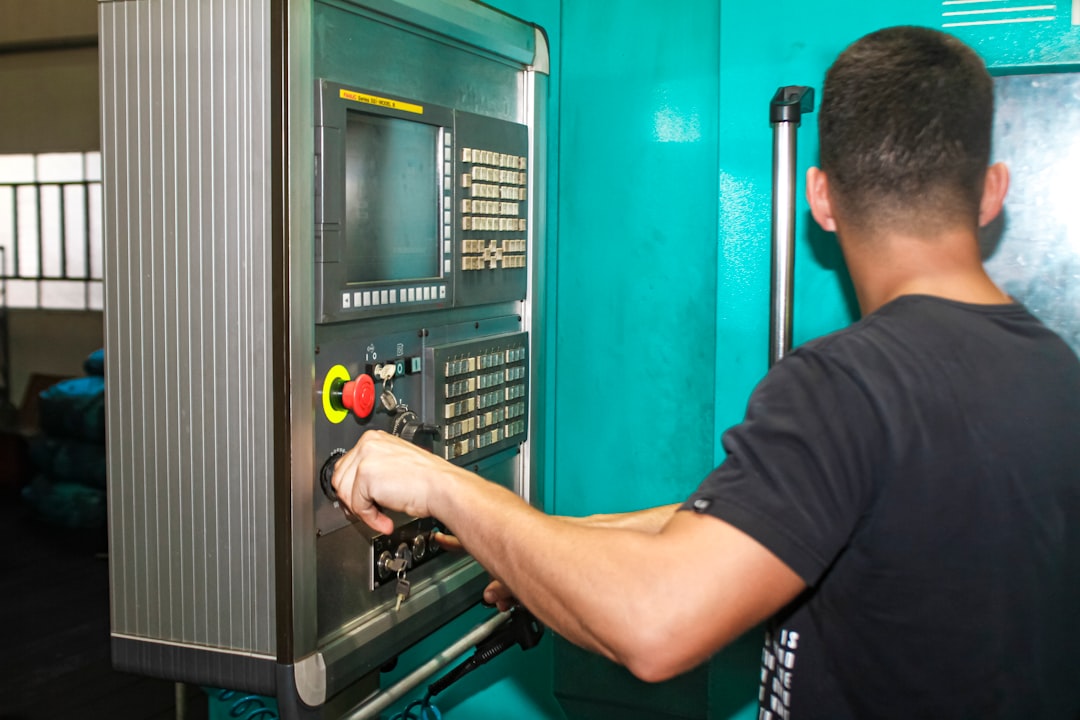
Let’s talk about something that’s may not be glamorous, but is super important—keeping things running smoothly! Whether it’s machines in a factory or lights in an office, everything breaks down at some point. That’s where corrective maintenance comes in. It’s like first aid for your equipment and assets.
TLDR (Too Long, Didn’t Read):
Corrective maintenance is the process of fixing things once they break. It’s one part of a bigger asset management strategy. While it’s not ideal to wait for problems, it can be cost-effective when used correctly. Smart planning and good tools can make corrective maintenance quicker and cheaper.
What Is Corrective Maintenance?
Corrective maintenance is simple: you fix it when it breaks. A light goes out? Replace it. A machine stops working? Call the technician. This is different from preventive maintenance, where you do regular check-ups to stop problems before they start.
It’s like waiting until your car won’t start instead of getting regular oil changes. Not ideal for everything, but sometimes, it just makes sense.
When Does Corrective Maintenance Make Sense?
There are times when it’s okay—maybe even smart—to let things break before fixing them. Here are a few examples:
- Low-cost items: Think lightbulbs or air filters. It might cost more to schedule maintenance than to simply replace them when they go out.
- Non-critical assets: If it won’t shut down your whole operation, you might risk waiting.
- Unpredictable failures: Some things fail without warning, no matter how careful you are.
But be careful. Too much corrective maintenance can lead to downtime, stress, and surprise expenses.
The Pros and Cons
Pros
- Lower upfront costs: No scheduled maintenance or monitoring systems needed.
- Saves time: You only spend time on it when it actually breaks.
- Ideal for small items: Especially when the cost of fixing is less than the cost of preventing.
Cons
- Unplanned downtime: If something breaks during production, it could stop the whole process.
- Higher repair costs: Emergency fixes often cost more than planned ones.
- Shortens lifespan: Running things until failure can wear them out faster.
Corrective Maintenance vs. Preventive Maintenance
It’s not a battle—more like teammates. You need both. Preventive keeps things from breaking. Corrective jumps in when the plan fails, or when planning was never needed in the first place.
Here’s a quick visual to help you compare:
| Feature | Corrective Maintenance | Preventive Maintenance |
|---|---|---|
| When It Happens | After breakdown | Before breakdown |
| Cost | Low upfront, high after failure | Higher upfront, lower emergency cost |
| Downtime Risk | High | Low |
How to Use Corrective Maintenance Wisely
The real trick is knowing where and when to use it. Here are some smart strategies:
- Classify your assets. Know the difference between critical assets and non-critical ones.
- Track failure history. Machines that rarely fail? Let them ride until they do.
- Understand the risk. Always measure what failure would cost your business.
- Use CMMS tools. A Computerized Maintenance Management System can make tracking corrective maintenance easy.
Think of it as building a maintenance toolkit. You don’t use a hammer for every job—and you don’t use corrective maintenance for every asset.
How to Respond Fast When Things Break
No one likes sudden shutdowns, but you can respond like a pro.
Here’s how:
- Have a plan. Create a corrective maintenance playbook before disaster strikes.
- Train your team. Everyone should know how to report and react to breakages.
- Keep spare parts on hand. Nothing slows repair like waiting on a shipment.
- Use mobile tools. Maintenance apps help you capture photos, voice notes, and updates instantly.
Speed is everything. The quicker the fix, the less the damage.
Measuring Success in Corrective Maintenance
You can’t improve what you don’t measure. So what should you be tracking?
- Mean Time to Repair (MTTR): How long it takes to fix something after it breaks.
- Downtime hours: The total time your assets were unavailable.
- Maintenance cost per asset: Are you spending more to fix than to replace?
- Failure rate: How often does a machine break?
Use this data to decide if something should stay in the corrective category—or move to preventive care.
Corrective Maintenance in the Real World
Let’s see how different industries use this strategy:
- Manufacturing: Small conveyor belts or gauges might be run-to-failure.
- Offices: Burned-out bulbs or broken desk chairs? Easy fixes when needed.
- Facilities: Filters, hinges, and locks are all often fixed as they break.
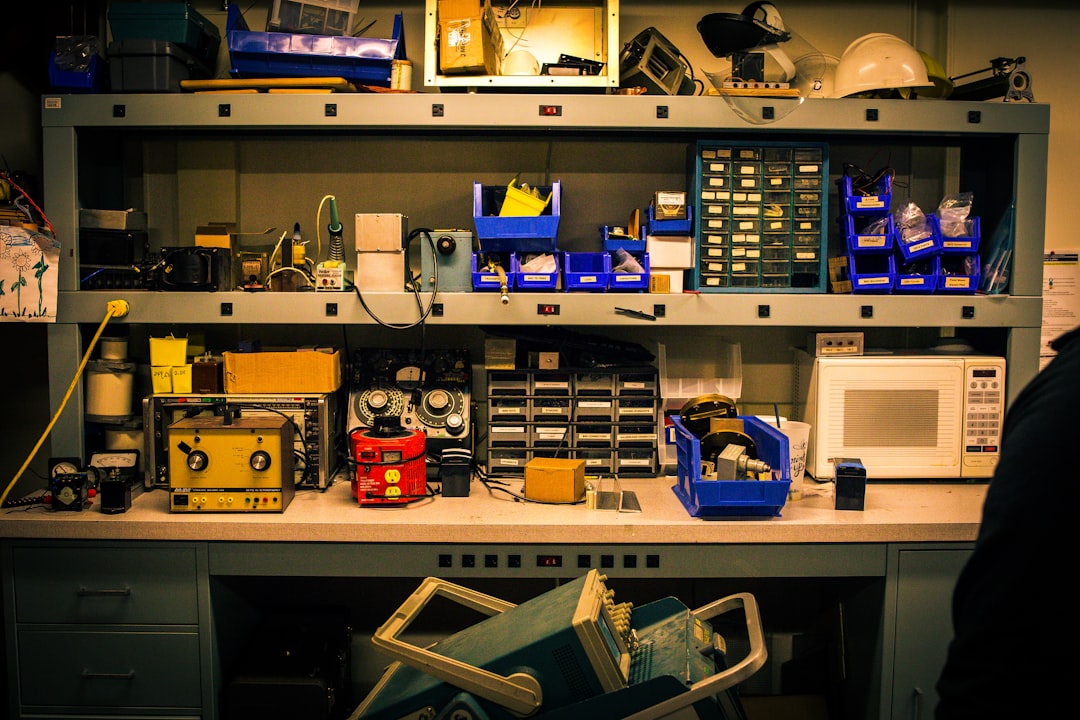
These assets don’t stop business when they fail. So it makes financial sense to fix them only when needed.
A Word About Safety
Here’s something super important: safety always comes first. If an asset could hurt someone when it fails, don’t wait. That’s not cost-saving—it’s dangerous.
Final Thoughts
Corrective maintenance is like fixing a flat tire—you didn’t plan for it, but you know how to handle it. When used wisely, it can be part of a strong asset management plan.
To succeed, combine it with preventive care, track your data, and build a smart response strategy. That’s how you win the maintenance game.
Because let’s face it—stuff breaks. But with a good plan, you don’t have to break the bank fixing it.