 logo
logo



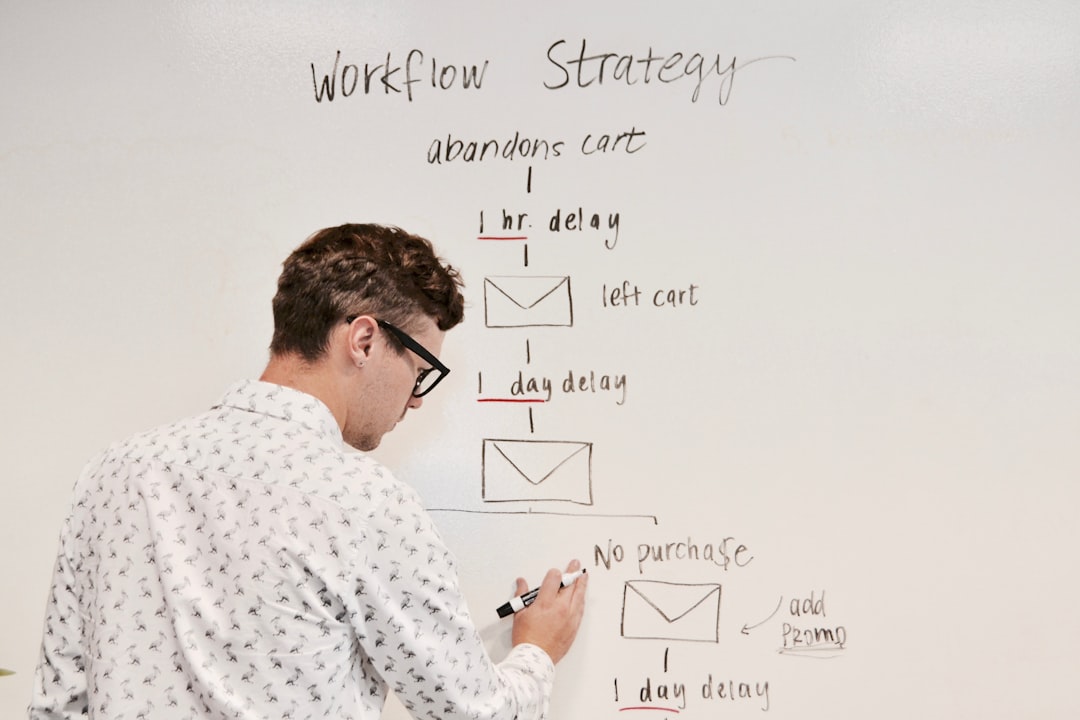
Effective online marketing is the backbone of any modern business strategy. In the digital age, where consumer behavior and online trends fluctuate rapidly, having a well-structured online marketing plan is crucial for success. From setting clear goals to utilizing the right tools, every step plays a vital role in acquiring, engaging, and converting audiences.
TLDR: An online marketing plan helps businesses reach their target audience effectively through strategic actions and tool selection. This guide outlines essential steps such as goal setting, audience research, and campaign execution. Best practices ensure efficient use of resources and better ROI. Use the right tools and continuously optimize to stay competitive in the digital space.
1. Set Clear Marketing Goals
Every online marketing strategy begins with clear, measurable, and achievable goals. These goals should align with the business’s overall objectives and provide direction for all marketing efforts.
Common examples of marketing goals include:
- Increasing website traffic
- Generating qualified leads
- Improving brand awareness
- Boosting sales or conversions
Utilize the SMART framework for goal setting—Specific, Measurable, Achievable, Relevant, and Time-bound. This ensures that marketing progress is trackable and leads to actionable outcomes.
2. Understand the Target Audience
Knowing the audience is at the heart of any successful online marketing campaign. Marketers must understand their customers’ needs, preferences, behavior, and pain points to craft relevant messages and choose the right channels.
Effective methods for audience research:
- Conducting surveys and interviews
- Analyzing website and social media analytics
- Creating detailed buyer personas
- Studying competitors’ audiences and strategies
Creating buyer personas helps personalize campaigns. These personas include demographic data, behavioral patterns, and goals that represent typical customers.

3. Develop a Strong Value Proposition
A compelling value proposition differentiates a brand from its competitors. It tells the customer why they should choose a particular business over others. This statement should be clear, concise, and consistent across all marketing channels.
Ask from the customer’s perspective: “What’s in it for me?” Focus on solving real problems and providing specific benefits that the audience cares about.
4. Choose the Right Marketing Channels
Each channel has its strengths depending on the marketing goals and audience. Selecting the appropriate digital platforms maximizes reach and impact.
Popular online marketing channels include:
- Search Engine Optimization (SEO)
- Content Marketing (blogs, videos, infographics)
- Social Media Marketing (Facebook, Instagram, LinkedIn)
- Email Marketing
- Pay-Per-Click Advertising (Google Ads, social media ads)
- Affiliate and Influencer Marketing
Start with a mix of channels, then analyze performance over time to focus on the most effective ones.
5. Create and Plan Content Strategically
Content is the core of online marketing. Whether it’s a promotional video or an educational blog post, content must align with the audience’s interests and the brand’s message.
Tips for content planning:
- Conduct keyword research to align content with search trends
- Use an editorial calendar to organize content publishing
- Create diverse content types (articles, videos, podcasts, social posts)
- Optimize all content for SEO and usability
Consistency in content delivery builds trust and drives engagement.

6. Utilize the Right Marketing Tools
Technology plays a vital role in streamlining and optimizing online marketing efforts. The right tools can automate processes, enhance analysis, and increase efficiency.
Essential categories of marketing tools:
- Analytics: Google Analytics, Hotjar
- Email Marketing: Mailchimp, ConvertKit
- SEO Tools: SEMrush, Ahrefs, Moz
- Social Media Management: Hootsuite, Buffer
- CRM: HubSpot, Salesforce
- Project Management: Trello, Asana, Monday.com
Choosing the right tool depends on business size, budget, and specific needs. Integration between tools also enhances workflow efficiency.
7. Launch and Monitor Campaigns
With goals, content, and tools ready, the next step is campaign execution. However, launching a campaign isn’t the finish line—it’s the starting point.
Marketers must track key performance indicators (KPIs) in real time:
- Click-through rates (CTR)
- Conversion rates
- Engagement metrics (likes, shares, comments)
- Bounce rates
- Return on Ad Spend (ROAS)
Using dashboards and reports helps interpret results and identify opportunities for enhancement.
8. Optimize Through Regular Analysis
Continuous improvement is key in digital marketing. Based on performance data, refine the content, adjust targeting, reallocate budgets, or test new strategies.
Best practices for ongoing optimization:
- A/B test various ad creatives, emails, or landing pages
- Update web content and remove outdated assets
- Re-target users who didn’t convert on the first visit
- Use audience segmentation to send more personalized messages
Optimization should be built into the routine—not just reserved for post-campaign reviews.
Online Marketing Best Practices
Alongside the strategic steps, a few overarching best practices ensure sustainable and effective online marketing, including investing in professional services like Web Design in Dallas to improve user experience and site performance:
- Align marketing with business goals: Every campaign should contribute to broader strategic objectives.
- Prioritize user experience: Fast-loading pages, mobile optimization, and intuitive design matter.
- Focus on storytelling: Emotional connection increases engagement and encourages sharing.
- Stay updated: Algorithms, consumer behavior, and platform features evolve frequently—so should marketing strategies.
- Compliance and data protection: Adhere to regulations like GDPR to build trust and avoid penalties.
FAQs: Online Marketing Planning Guide
- What is an online marketing plan?
An online marketing plan is a strategic document that outlines how a business will use digital channels, tools, and resources to achieve specific marketing goals. - How often should I update my marketing plan?
Most businesses review their strategy quarterly or bi-annually, but major updates may be needed if there are significant market shifts or performance changes. - Which digital channels are most effective?
It depends on the target audience and industry. SEO, email marketing, and social media are often top performers. - Do small businesses need complex tools?
Not necessarily. Many intuitive, budget-friendly tools offer powerful features for startups and small teams. - How do I measure campaign success?
Focus on KPIs like traffic, conversion rates, engagement, and ROI. Use analytics tools for data collection and visualization.
Creating an online marketing plan isn’t just about ticking off a list—it’s about building a dynamic system that evolves with your business. With clear goals, customer insight, and the right tools, businesses can unlock new growth through the digital landscape.