 logo
logo




Welcome to your colorful journey into the world of Akrylika! Whether you’re a first-time creator or someone who has painted for years, you’re in the right place. This guide will walk you through the magic of acrylic painting using simple language and plenty of fun tips.
TL;DR (Too Long, Didn’t Read)
Akrylika, also known as acrylic painting, is a fun and versatile art style. It uses fast-drying paint made of pigment suspended in acrylic polymer. Perfect for beginners and great for mastering advanced techniques too! You can paint on canvas, wood, paper, and more using brushes, sponges, or even your fingers.
What is Akrylika?
Akrylika is simply the artistic way to say “painting with acrylics.” Acrylics are synthetic paints that dry quickly and can be mixed, layered, and used on many surfaces. They’re loved by artists because they’re easy to work with and full of bold, vibrant colors.
Unlike oil paints, which take days to dry, or watercolors, which can be hard to control, acrylic paints sit right in the sweet spot. They dry fast, but not too fast. They’re smooth but thick enough to build texture.
Why Artists Love Acrylic Paint
Still wondering why people can’t get enough of Akrylika? Here are a few reasons:
- Dries Fast: No waiting for days.
- Easy Clean-Up: Just water and soap—no harsh chemicals.
- Affordable: A small budget goes a long way.
- Versatile: Works on canvas, wood, paper, fabric, and more.
- Vibrant Pigments: You can get bright, bold colors with just one layer.
Acrylics are not just for beginners. Professional artists use them too, especially when they want quick results and crisp detailing.
What Tools Do You Need?
You don’t need an art studio to start using acrylics. Just a few simple tools and you’re good to go!
- Acrylic Paints: Start with primary colors. Mix and create your own shades!
- Brushes: Round, flat, and detail brushes are all helpful.
- Canvas or Surface: You can paint on canvas boards, wood, even cardboard.
- Palette: A plastic plate works just fine for mixing colors.
- Water Cup: For cleaning brushes between colors.
- Paper Towels: To dab, blot, or clean your tools.
If you’re feeling fancy, try palette knives and special effects gels!
Basic Techniques for Beginners
Let’s get painting! Here are a few building-block techniques to get you started:
- Color Mixing: Mix two colors to make a new one. Red and blue make purple!
- Dry Brushing: Use very little paint for rough, scratchy textures.
- Layering: Let each layer dry before adding another. It creates depth.
- Blending: Combine colors on canvas while they’re still wet for smooth transitions.
- Washing: Water down the paint for a thin, see-through layer.
Practice each one a few times. The more you paint, the better you get.
Advanced Tricks (For the Brave and Bold)
Already know your brush from your bristles? Let’s level up your Akrylika skills!
- Pouring: Create abstract art by pouring layers of acrylic paint.
- Texture Mediums: Add gels or pastes to your paint for 3D effects.
- Stippling: Use the tip of your brush to make dot patterns.
- Impressionism: Use small strokes to capture light and movement.
These techniques add flair and personality to your art. They make each piece unique.
What to Paint First?
Start with something easy and fun. Don’t begin with a masterpiece. Try:
- A sunset with a silhouette
- A simple flower
- A cute cat or dog
- Mountains and a river

Sketch your idea in pencil first. Then paint it slowly, layer by layer. Don’t rush. Relax and enjoy it!
Common Mistakes to Avoid
Everyone messes up sometimes. Here are some classic beginner errors (and how to avoid them):
- Using Too Much Water: This makes colors runny and dull.
- Over-mixing Colors: You might end up with muddy shades.
- Not Letting Paint Dry: You’ll smudge your own artwork.
- Too Much Detail Too Soon: Build your painting in steps.
Give yourself permission to make “happy accidents.” That’s where creativity lives!
How to Take Care of Your Tools
With a little love, your brushes and paints will last a long time.
- Wash brushes right after painting.
- Keep lids on your paint tubes.
- Don’t leave brushes soaking. They can lose their shape.
- Store paintings flat or upright once they’re dry.
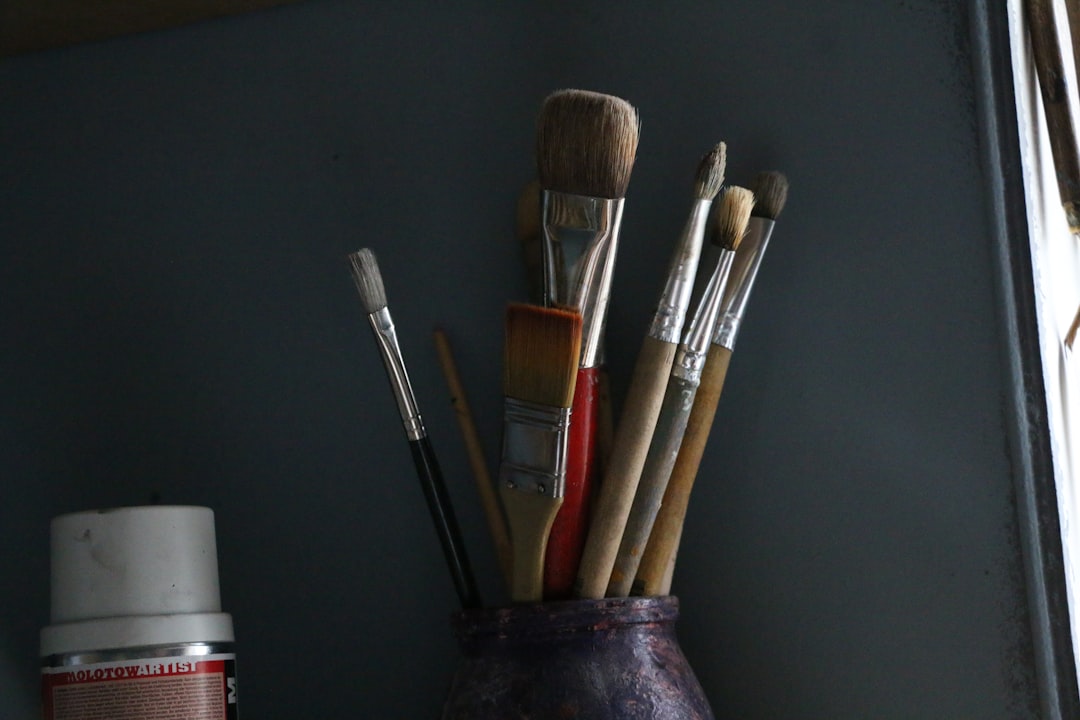
Caring for your tools keeps them working great—and saves you money on replacements.
Creative Ideas to Explore
Now that you’ve tried the basics, it’s time to have fun! Here are some cool ways to mix things up:
- Paint with Sponges: Great for clouds and backgrounds!
- Use Tape: Mask off areas for sharp edges and cool shapes.
- Try Mixed Media: Combine acrylics with markers, pencil, or collage scraps.
- Paint on Rocks or Pots: Acrylics work on almost anything!
No rules here. If you can imagine it, you can paint it.
Where to Find Inspiration?
Stuck for ideas? Look around you! Art is everywhere.
- Nature: Trees, flowers, animals, skies.
- Your Home: Paint your favorite mug or a room corner.
- Online: Pinterest, Instagram, and YouTube are full of great examples.
- Art Challenges: Try a “30-day painting” challenge to grow fast.
Snap a photo of something you love, then try to paint it!
Akrylika for Relaxation
Painting isn’t just for making art. It also helps you relax.
Mixing colors and brushing them onto a canvas can calm your mind. It’s like active meditation. Even 15 minutes a day can help with anxiety and focus.
So don’t worry about being perfect. Just paint, smile, and let your stress melt away.
Final Thoughts
Akrylika is for everyone—any age, any skill level. It’s affordable, easy to learn, and super fun.
Whether you’re painting a rainbow, a forest, or just splashing colors on canvas, acrylics let you express your unique self.
So grab a brush, pick your favorite colors, and dive in. Your masterpiece awaits!
Now, go make some magic!