 logo
logo



In competitive markets where products and prices are often similar, how businesses manage relationships has become a defining factor in long-term success. Customer relationship tools have evolved far beyond simple contact databases—they now shape how companies attract, engage, retain, and grow their customer base. When used strategically, these tools don’t just organize information; they actively drive measurable business growth.
TLDR: Modern customer relationship tools help businesses grow by improving engagement, retention, and decision-making. From CRMs and marketing automation to customer support platforms and analytics tools, the right technology strengthens every stage of the customer journey. Companies that integrate and use these tools wisely outperform competitors who rely on disconnected systems. Growth today is built on relationships powered by smart technology.
At their core, customer relationship tools are designed to help businesses understand who their customers are, what they want, and how they behave across multiple touchpoints. As customer expectations rise, relying on spreadsheets or fragmented software stacks is no longer sustainable. Growth-focused organizations invest in platforms that turn customer data into insights and insights into action.
Customer Relationship Management (CRM) Systems
A CRM system is the backbone of most customer relationship strategies. It centralizes customer data, tracks interactions, and provides visibility across sales, marketing, and support teams. More importantly, modern CRMs help teams act on data in real time.
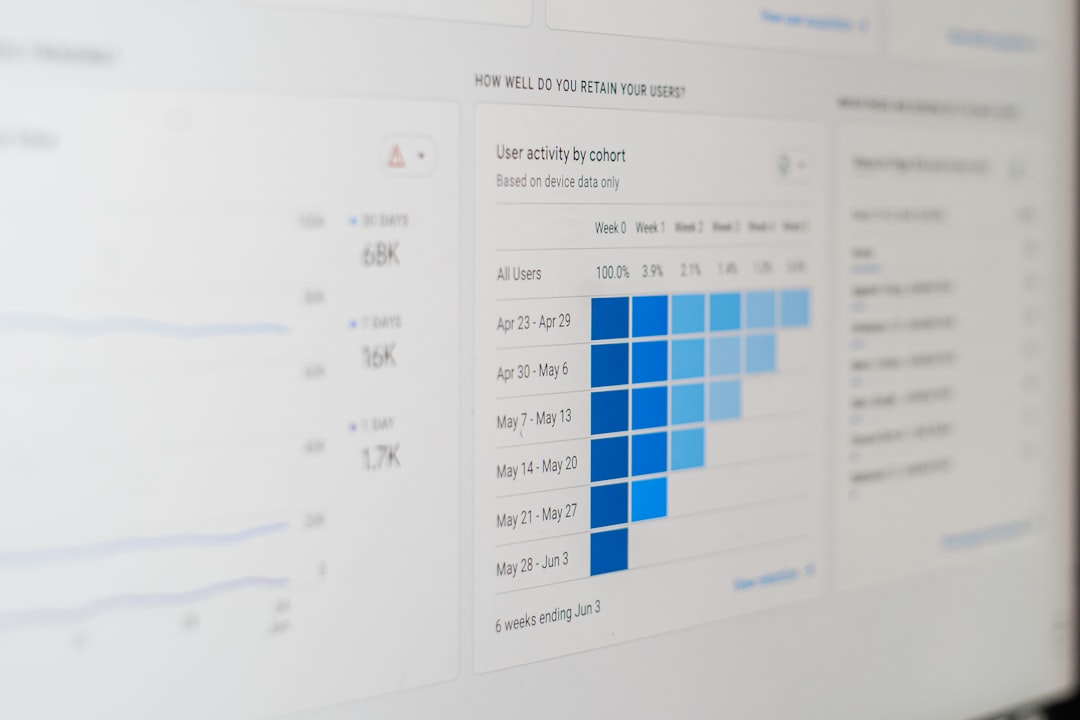
Effective CRM platforms support growth by:
- Improving lead management through structured pipelines and scoring
- Increasing sales productivity with automation and reminders
- Enhancing personalization by capturing detailed customer insights
- Aligning teams around a shared view of the customer
When sales teams understand previous interactions, preferences, and pain points, conversations become more relevant and effective. Over time, this leads to higher close rates, larger deal sizes, and stronger customer trust.
Marketing Automation Tools
Marketing automation platforms play a crucial role in scaling customer relationships without sacrificing quality. These tools allow businesses to nurture leads, personalize communication, and measure campaign effectiveness automatically.
Rather than blasting generic messages, businesses can use automation to deliver the right content at the right time. This includes welcome emails, educational sequences, and re-engagement campaigns that are triggered by customer behavior.
Growth benefits of marketing automation include:
- Consistent lead nurturing without manual effort
- Higher conversion rates through targeted messaging
- Better alignment between marketing and sales teams
- Improved ROI through detailed performance tracking
When supported by accurate data from a CRM, marketing automation becomes a powerful engine for predictable growth. Customers feel understood rather than marketed to, which strengthens long-term relationships.
Customer Support and Service Platforms
Growth doesn’t end with the sale. In fact, post-purchase experience often determines whether a customer becomes a repeat buyer or a brand advocate. Customer support tools help businesses resolve issues quickly while capturing valuable feedback.

Modern service platforms combine ticketing, live chat, knowledge bases, and even AI-powered assistants. These tools ensure that no customer request goes unanswered and that support teams have context for every interaction.
Strong customer service tools drive growth by:
- Reducing churn through faster resolution times
- Improving customer satisfaction and loyalty
- Identifying recurring issues that affect retention
- Enabling upsell and cross-sell opportunities during support interactions
Customers remember how a company made them feel when something went wrong. Efficient, empathetic service supported by the right tools can turn problems into powerful loyalty moments.
Customer Feedback and Experience Platforms
To grow intelligently, businesses must listen. Customer feedback tools gather insights through surveys, reviews, and experience monitoring. They help organizations quantify satisfaction while uncovering hidden friction points.
These platforms go beyond simple star ratings. They can track trends over time, segment feedback by customer type, and highlight which issues impact revenue the most.
Key advantages include:
- Data-driven product improvements
- Early detection of dissatisfaction or churn risk
- Stronger customer-centric culture
When feedback is actively used—not just collected—customers feel heard. This creates an emotional connection that strengthens brand loyalty and encourages referrals.
Data Analytics and Customer Intelligence Tools
Customer relationship tools generate vast amounts of data, but growth comes from understanding it. Analytics and intelligence platforms help businesses interpret customer behavior, identify patterns, and predict future actions.

These tools can reveal which acquisition channels produce the highest lifetime value, which behaviors signal churn, and which segments are most profitable.
Analytics-driven growth is powered by:
- Better strategic decision-making
- More accurate forecasting and planning
- Personalized customer journeys at scale
- Continuous performance optimization
Companies that rely on intuition alone are often reactive. Those that leverage customer intelligence tools can anticipate change and adapt faster than competitors.
Integration as a Growth Multiplier
While each customer relationship tool adds value individually, real growth happens when tools work together. Integration ensures that data flows smoothly between sales, marketing, and service platforms.
For example, when support insights feed into the CRM, sales teams can tailor future conversations. When marketing tools use service data, messaging becomes more relevant. Integrated systems eliminate silos and create a single, accurate source of truth.
Benefits of integrated customer relationship tools include:
- Eliminated duplicate work and data conflicts
- More consistent customer experiences
- Faster response to market changes
- Stronger collaboration across teams
Choosing Tools That Match Business Goals
Not every tool fits every organization. Businesses should select customer relationship tools based on their growth stage, industry, and customer complexity. A startup may prioritize simplicity and speed, while an enterprise may need advanced customization and scalability.
Successful adoption also depends on internal practices. Training, clear ownership, and measurable goals ensure tools are actually used and continuously improved. Technology alone doesn’t drive growth—how people use it does.
Conclusion: Relationships as Growth Infrastructure
In today’s experience-driven economy, customer relationship tools are no longer optional. They form the infrastructure that supports sustainable, predictable growth. From acquiring leads to retaining loyal customers, these platforms shape every interaction that defines a brand.
Businesses that invest in the right tools, integrate them effectively, and build processes around customer insights create a powerful advantage. Growth becomes less about chasing new customers and more about deepening the relationships that already exist—turning trust, loyalty, and understanding into long-term success.