 logo
logo



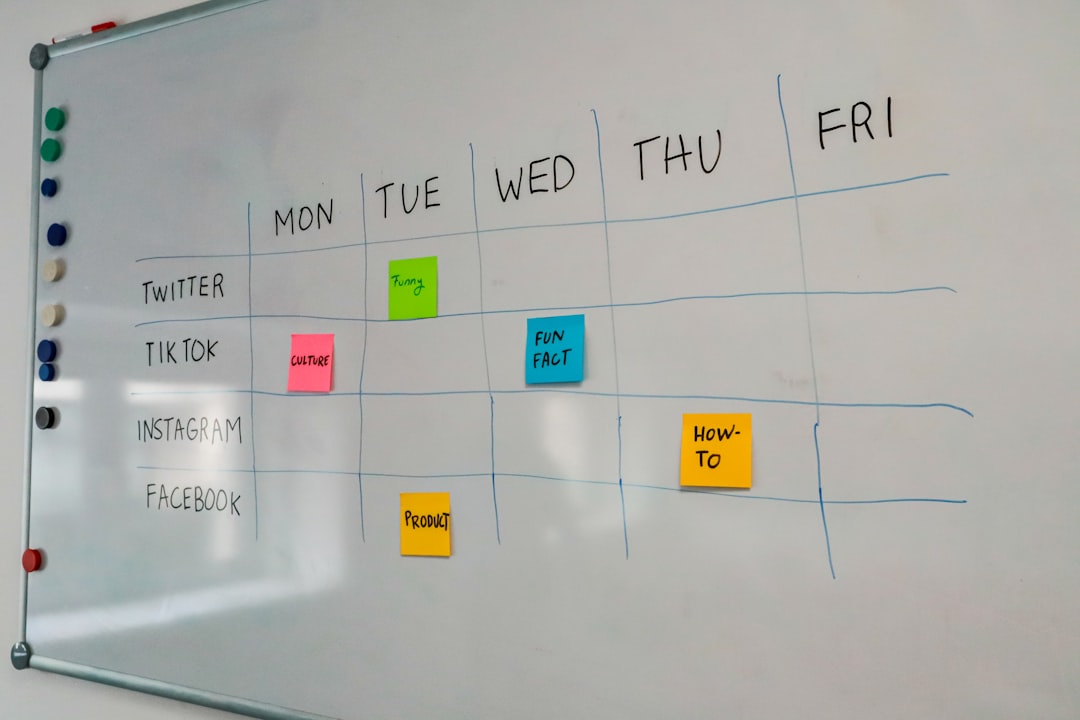
Project automation has become the backbone of modern teamwork. While Smartsheet is a powerful platform for managing workflows, timelines, and collaboration, it isn’t always the perfect fit for every organization. Pricing, complexity, customization limits, or integration needs often drive teams to explore other options. Fortunately, the market is filled with feature-rich alternatives designed to streamline repetitive tasks, automate communication, and improve team productivity.
TLDR: Smartsheet is powerful, but it’s not the only option for project automation. Tools like Monday.com, ClickUp, Asana, Wrike, Airtable, and Zoho Projects offer strong automation, better customization, and flexible pricing. The best choice depends on your team size, workflow complexity, and integration requirements. Below, we compare six top Smartsheet alternatives to help you find the right fit.
In this article, we’ll explore six strong Smartsheet alternatives and highlight what makes each one stand out.
1. Monday.com
Best for: Visual project tracking and customizable automation
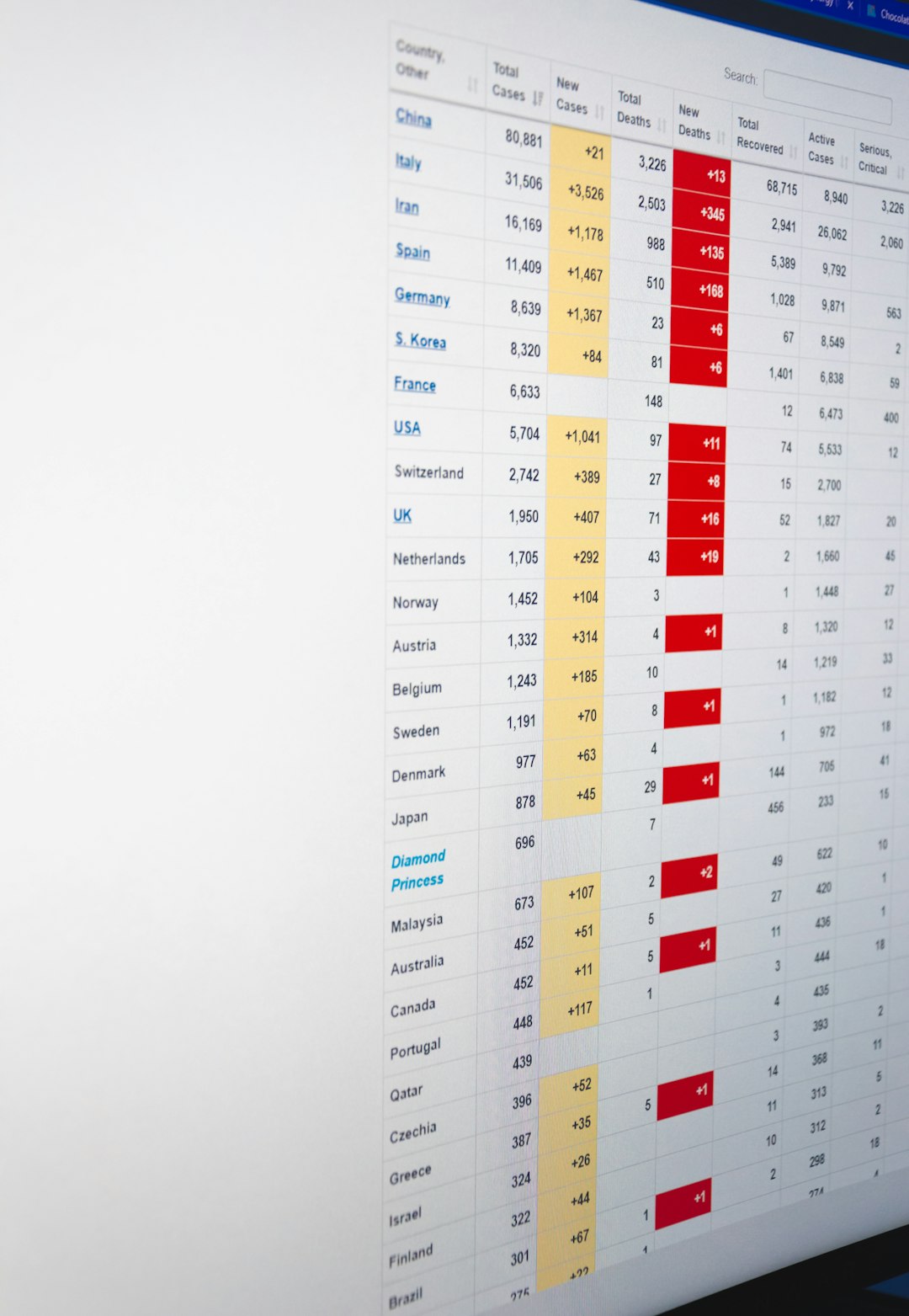
Monday.com has quickly become one of the most recognizable project management platforms. Its intuitive interface makes it especially appealing to teams that want advanced automation without a steep learning curve.
Key strengths:
- Drag-and-drop workflow building
- No-code automation rules
- Custom dashboards and reporting tools
- Broad integration ecosystem
Monday.com allows users to automate recurring tasks, status updates, notifications, and even cross-board dependencies. For teams seeking structure without complexity, its visual boards are a major advantage.
Why choose it over Smartsheet? If you prefer a more visual interface with simpler automation logic and colorful dashboards, Monday.com may feel more user-friendly and flexible.
2. ClickUp
Best for: All-in-one productivity and deep customization
ClickUp markets itself as “one app to replace them all,” and for many teams, it lives up to that goal. It combines project management, goal tracking, time tracking, docs, and chat into a single platform.
Key strengths:
- Advanced automation builder
- Custom fields and multi-view options
- Nested task structures
- Generous free plan
ClickUp’s automation allows triggers based on task changes, due dates, priorities, or custom conditions. Teams can automate task assignments, updates, and integrations with external applications.
Why choose it over Smartsheet? ClickUp offers more built-in features under one platform, making it particularly attractive for startups or teams replacing multiple tools at once.
3. Asana
Best for: Streamlined workflow automation and team collaboration
Asana is known for its clean design and focus on clarity. It excels at coordinating cross-functional teams and aligning tasks with strategic objectives.

Key strengths:
- Simple rule-based automation
- Timeline and workload management
- Strong collaboration tools
- Goal tracking and reporting
Automation in Asana works through easy-to-configure rules. For example, when a task moves to a new stage, it can automatically notify stakeholders or assign a reviewer.
Why choose it over Smartsheet? If you want project automation that feels straightforward rather than spreadsheet-driven, Asana provides a more intuitive user experience.
4. Wrike
Best for: Large enterprises with complex workflows
Wrike is built with scalability in mind. It supports more advanced automation layers and detailed reporting, making it ideal for mid-sized and enterprise-level organizations.
Key strengths:
- Advanced request forms
- Custom workflows
- Real-time analytics dashboards
- Enterprise-grade security
Wrike’s automation engine allows conditional workflows across departments. Its ability to centralize approvals, automate proofing, and manage compliance processes sets it apart in larger environments.
Why choose it over Smartsheet? Organizations requiring detailed process control and enterprise governance often find Wrike more robust.
5. Airtable
Best for: Flexible database-style automation
Airtable blends spreadsheet familiarity with database power. It enables teams to design highly customized workflows without deep technical knowledge.
Key strengths:
- Relational database capabilities
- Custom views and filters
- Automation scripts and triggers
- App marketplace integrations
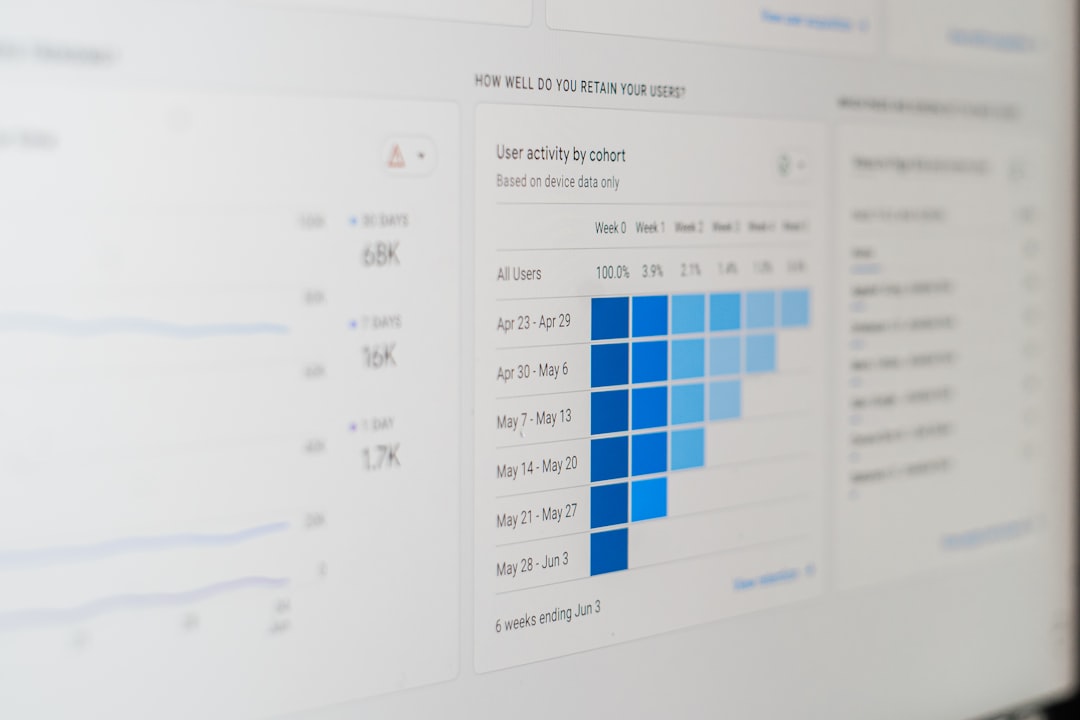
Airtable’s automation can trigger actions like email alerts, record updates, and Slack messages based on changes in the base. Its flexibility makes it especially useful for content operations, marketing workflows, and product management.
Why choose it over Smartsheet? If database relationships and structured information architecture are important, Airtable offers greater flexibility than traditional spreadsheet-style tools.
6. Zoho Projects
Best for: Budget-conscious teams needing integration depth
Zoho Projects is part of the broader Zoho ecosystem, which includes CRM, finance, and communication tools. For businesses already using Zoho applications, it offers seamless integration.
Key strengths:
- Affordable pricing
- Workflow automation rules
- Gantt chart tracking
- Tight CRM integration
Zoho Projects allows teams to automate task updates, notifications, and SLA monitoring. Its cost-effectiveness makes it attractive for small to medium-sized businesses.
Why choose it over Smartsheet? If budget and ecosystem integration matter most, Zoho Projects delivers strong value without sacrificing essential automation features.
Comparison Chart
| Tool | Best For | Automation Complexity | Ease of Use | Pricing Level |
|---|---|---|---|---|
| Monday.com | Visual workflow tracking | Moderate to Advanced | High | Mid to High |
| ClickUp | All in one productivity | Advanced | Moderate | Low to Mid |
| Asana | Team collaboration | Moderate | High | Mid to High |
| Wrike | Enterprise processes | Advanced | Moderate | High |
| Airtable | Database driven workflows | Moderate to Advanced | Moderate | Mid |
| Zoho Projects | Budget teams | Moderate | Moderate | Low |
How to Choose the Right Alternative
Selecting a Smartsheet alternative isn’t about finding the most powerful tool—it’s about finding the right fit. Consider:
- Team size: Enterprise teams may need Wrike-level scalability, while startups may prefer ClickUp.
- Workflow complexity: Teams with intricate dependencies benefit from advanced automation engines.
- Budget: Zoho Projects and ClickUp offer cost-effective plans.
- Integration needs: Look for seamless connections with CRM, marketing, and communication platforms.
- User adoption: A simpler interface often speeds up onboarding.
It’s also wise to test free trials whenever possible. Automation capabilities often look similar on paper but feel very different in actual use.
Final Thoughts
Smartsheet remains a capable project automation platform, particularly for teams accustomed to spreadsheet-style management. However, today’s project management landscape offers broader, more flexible alternatives.
Whether you prioritize visual clarity, database flexibility, enterprise control, or budget-friendly scaling, tools like Monday.com, ClickUp, Asana, Wrike, Airtable, and Zoho Projects each bring something unique to the table.
The best automation software is the one that reduces manual effort, improves visibility, and integrates seamlessly into your team’s daily workflow. By carefully assessing your needs and comparing features, you can select a platform that not only matches Smartsheet—but potentially surpasses it for your organization.