 logo
logo



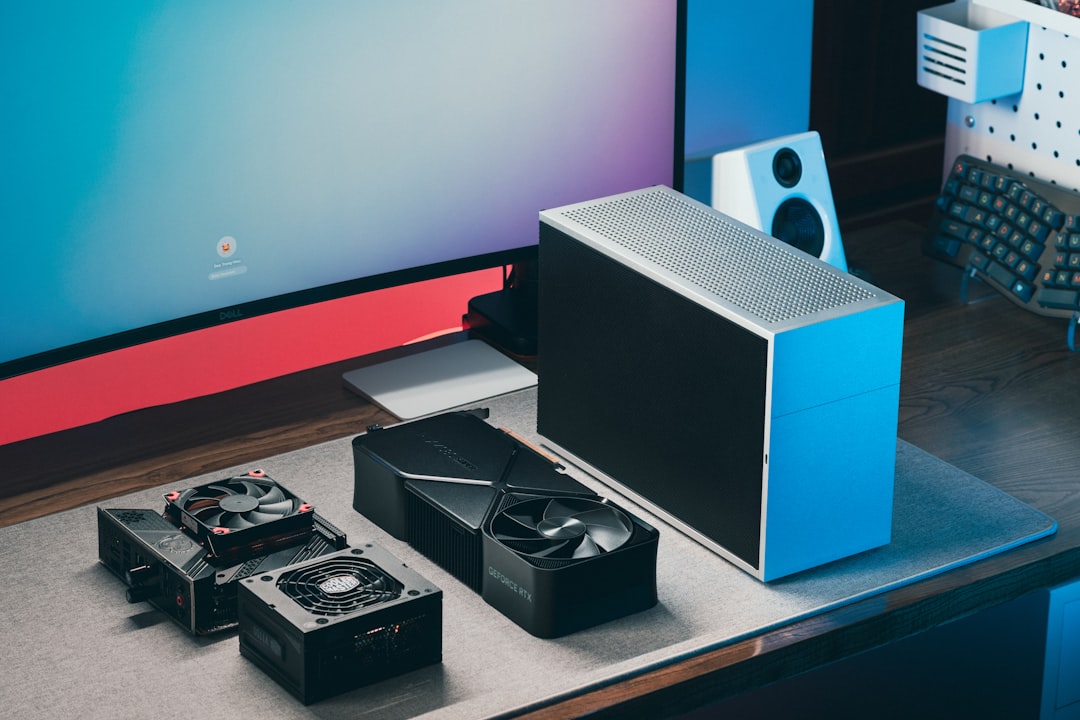
Building a powerful gaming PC no longer requires a massive budget. In 2026, hardware efficiency, competitive GPU pricing, and smarter component balancing make it possible to achieve smooth frame rates at 1080p and even 1440p without overspending. The key is understanding where to invest and where to save. A well-planned build delivers excellent gaming performance, upgrade flexibility, and long-term reliability.
TLDR: In 2026, you can build a highly capable gaming PC for $700–$1,200 that handles modern AAA titles at high settings. Focus your budget on the GPU and CPU balance while choosing reliable but cost-effective RAM, storage, and power supply options. Three strong budget tiers include entry-level 1080p builds, mid-range 1440p builds, and high-value performance builds under $1,200. Smart part selection ensures both performance and future upgrade paths.
What Makes a Great Budget Gaming PC in 2026?
Budget gaming no longer means compromising on performance. Thanks to architectural improvements in modern CPUs and GPUs, even mid-range hardware now supports features like ray tracing, AI upscaling, and frame generation.
When building a cost-effective system, prioritize:
- Graphics Card (GPU): The most critical component for gaming performance.
- Processor (CPU): Ensures stable frame rates and prevents bottlenecks.
- 16–32GB DDR5 RAM: 16GB is the sweet spot; 32GB adds future-proofing.
- Fast NVMe SSD: Improves load times and overall responsiveness.
- Reliable 80+ Certified PSU: Protects your investment.
Overspending on aesthetic features such as RGB lighting or premium cases can reduce performance per dollar. Focus on core components first.
Build #1: Entry-Level 1080p Powerhouse (Approx. $700–$800)
This build is ideal for esports titles, AAA games at medium-to-high settings, and smooth 1080p performance at 60–120 FPS.
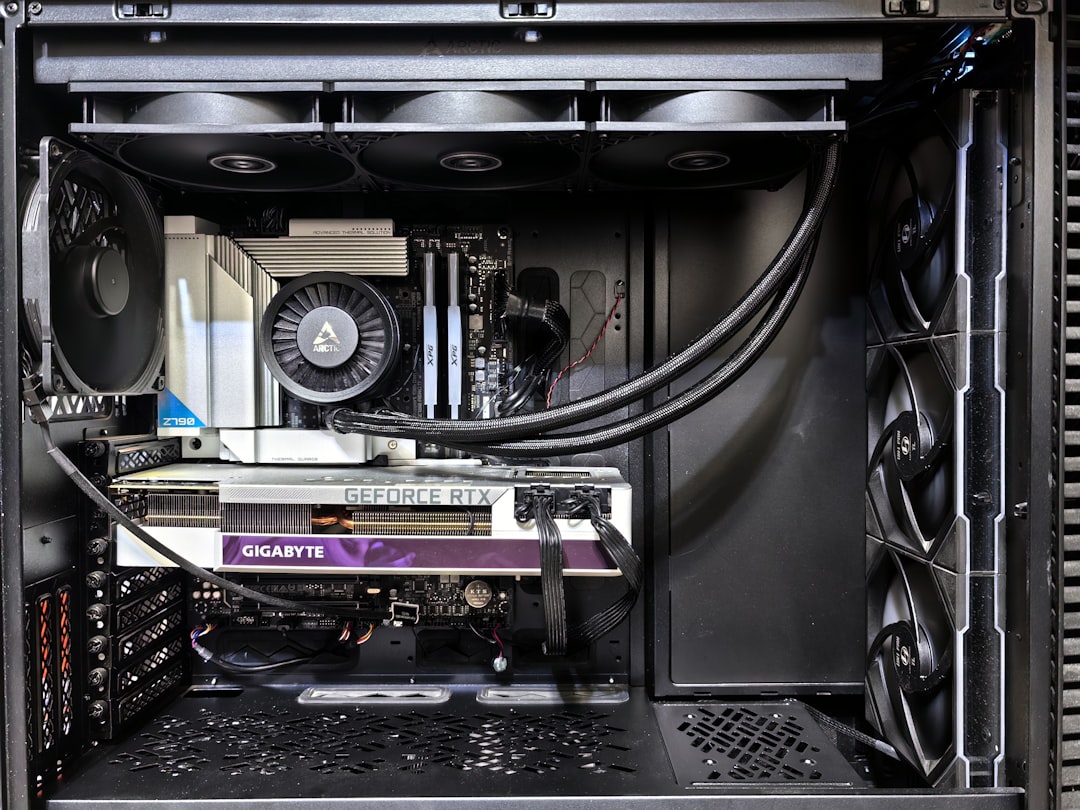
Recommended Components
- CPU: AMD Ryzen 5 7600 or Intel Core i5-14400F
- GPU: NVIDIA RTX 4060 or AMD Radeon RX 7600 XT
- RAM: 16GB DDR5 5600MHz
- Storage: 1TB NVMe Gen4 SSD
- Motherboard: B650 (AMD) or B760 (Intel)
- PSU: 650W 80+ Bronze
- Case: Budget airflow-focused mid tower
Performance Expectations
- Fortnite / Apex Legends: 120+ FPS (High settings)
- Call of Duty: 90–120 FPS (Balanced settings)
- Cyberpunk 2077: 60+ FPS with upscaling enabled
This setup offers exceptional value and supports ray tracing at moderate settings with AI upscaling enabled. It also allows future GPU upgrades thanks to modern motherboard platforms.
Build #2: Mid-Range 1440p Gaming Sweet Spot (Approx. $900–$1,050)
This configuration strikes a balance between affordability and performance, targeting 1440p gaming at high settings.
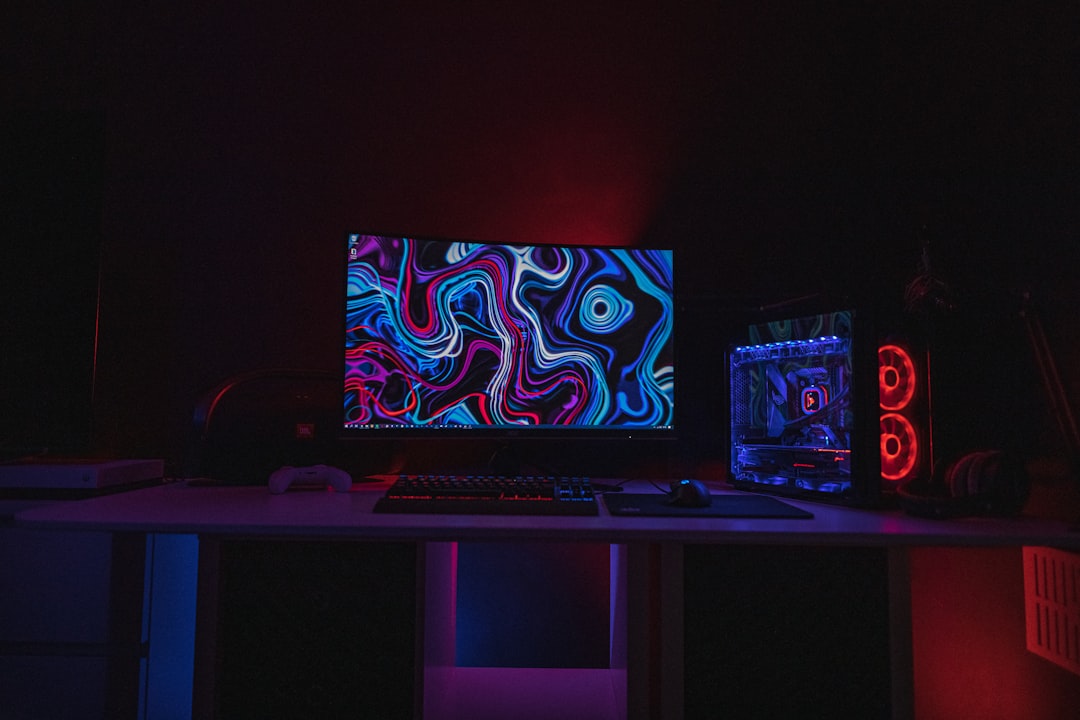
Recommended Components
- CPU: AMD Ryzen 7 7700 or Intel Core i5-14600KF
- GPU: NVIDIA RTX 4070 or AMD Radeon RX 7800 XT
- RAM: 32GB DDR5 6000MHz
- Storage: 1TB–2TB NVMe Gen4 SSD
- Motherboard: B650E or B760
- PSU: 750W 80+ Gold
- Cooling: Mid-range air cooler
Performance Expectations
- AAA Titles (Ultra 1440p): 70–100 FPS
- Competitive Shooters: 144+ FPS
- Ray Tracing Enabled: Smooth gameplay with DLSS or FSR
This tier delivers outstanding performance longevity. 32GB of RAM prepares the system for future games that increasingly demand more memory. The stronger PSU also allows for GPU upgrades down the line.
Build #3: High-Value Performance Build (Under $1,200)
For gamers who want near high-end experiences without crossing premium price territory, this build delivers exceptional value.
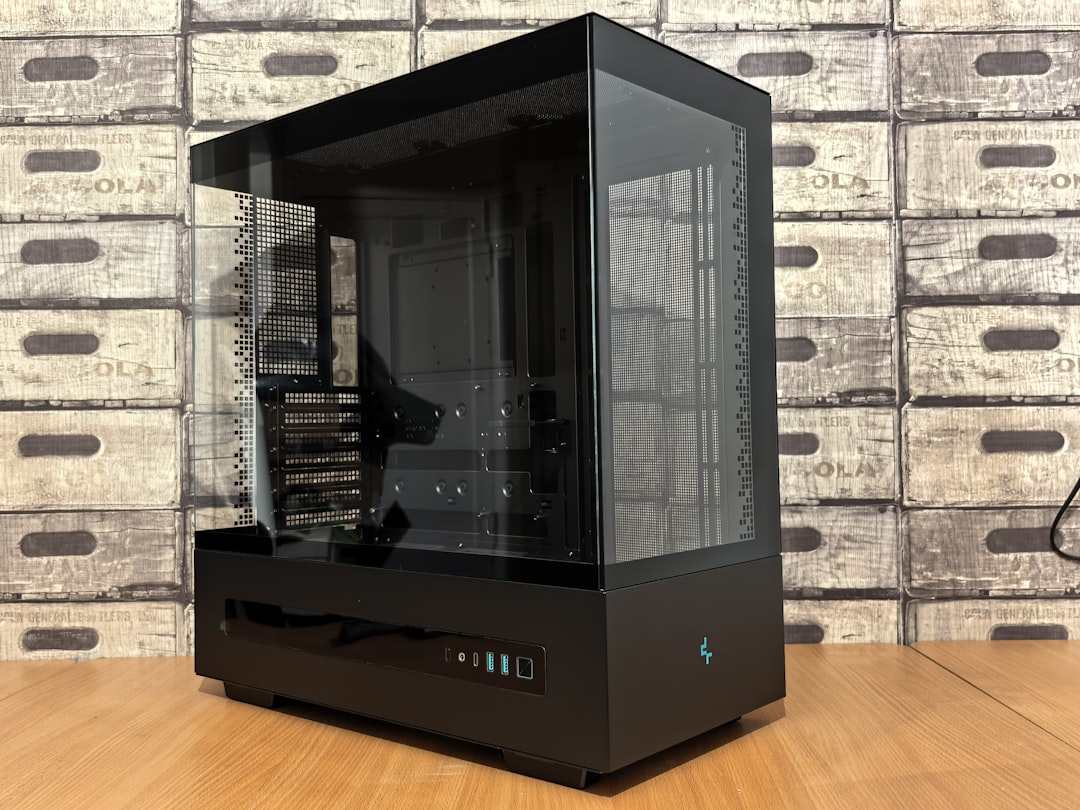
Recommended Components
- CPU: AMD Ryzen 7 7800X3D (price-adjusted in 2026 markets) or Intel Core i7-14700F
- GPU: NVIDIA RTX 4070 Super or AMD RX 7900 GRE
- RAM: 32GB DDR5 6000MHz
- Storage: 2TB NVMe Gen4 SSD
- Motherboard: B650E or Z790 (budget version)
- PSU: 750–850W 80+ Gold
Performance Expectations
- 1440p Ultra: 100+ FPS in most titles
- Ray Tracing High: 80–120 FPS with AI upscaling
- Entry 4K Gaming: Playable with optimized settings
This system approaches enthusiast-level performance while remaining financially rational. It is particularly attractive to gamers who do not plan frequent upgrades.
2026 Budget Gaming PC Comparison Chart
| Tier | Estimated Price | Target Resolution | RAM | GPU Class | Best For |
|---|---|---|---|---|---|
| Entry-Level | $700–$800 | 1080p | 16GB | RTX 4060 / RX 7600 XT | Esports & casual AAA |
| Mid-Range | $900–$1,050 | 1440p | 32GB | RTX 4070 / RX 7800 XT | Smooth high settings |
| High-Value | Up to $1,200 | 1440p / Entry 4K | 32GB | RTX 4070 Super / RX 7900 GRE | Long-term performance |
Where You Should Not Cut Costs
A tight budget should never compromise core reliability. Avoid cutting costs on:
- Power Supply: Choose reputable brands with at least Bronze or Gold certification.
- Cooling: Poor airflow leads to throttling and shortened component life.
- Motherboard Quality: Ensure future CPU compatibility and stable power delivery.
Failing in these areas can result in long-term expenses exceeding initial savings.
Smart Saving Tips for 2026 Builders
- Buy previous-generation GPUs: Often heavily discounted with minimal performance loss.
- Bundle CPU and motherboard: Retailers frequently offer price incentives.
- Skip unnecessary RGB: Aesthetic upgrades can be added later.
- Watch seasonal sales: Major discount periods significantly reduce GPU prices.
Carefully tracking market trends can save hundreds of dollars without sacrificing gaming power.
Final Thoughts
In 2026, building a budget gaming PC is no longer about compromise—it is about optimization. With thoughtful part selection, even a sub-$800 system can outperform high-end builds from just a few years ago. Mid-range systems now deliver 1440p excellence, while $1,200 builds approach enthusiast territory.
The most important principle remains balance. Pair a capable GPU with a modern CPU, install sufficient high-speed RAM, and power everything with a reliable PSU. By prioritizing performance-per-dollar and upgrade potential, you can build a gaming PC that remains powerful and relevant for years to come.
Affordable no longer means limited. In 2026, smart builders win.