 logo
logo




Every laptop, smartphone, tablet, and server connected to your network represents both an opportunity and a risk. As organizations embrace remote work, cloud services, and bring-your-own-device (BYOD) policies, the number of endpoints accessing corporate data has grown dramatically. This expansion has made endpoint security software for device protection one of the most critical components of modern cybersecurity strategies.
TLDR: Endpoint security software protects devices like laptops, desktops, and mobile phones from cyber threats such as malware, ransomware, and phishing attacks. It goes far beyond traditional antivirus by offering advanced threat detection, encryption, firewalls, and centralized management. As remote work and cloud usage grow, protecting endpoints is essential to safeguarding sensitive business data and maintaining compliance. Investing in robust endpoint protection reduces risk, downtime, and financial loss.
From small businesses to global enterprises, securing endpoints is no longer optional—it’s foundational. Cybercriminals increasingly target individual devices as entry points into wider networks, exploiting vulnerabilities to steal data, deploy ransomware, or disrupt operations. Understanding how endpoint security works and why it matters is the first step in building a resilient defense.
What Is Endpoint Security Software?
Endpoint security software is a comprehensive solution designed to protect devices that connect to a network. These endpoints include:
- Laptops and desktops
- Smartphones and tablets
- Servers
- Virtual machines
- IoT devices
Unlike traditional antivirus programs that primarily scan for known malware signatures, modern endpoint security platforms use a combination of advanced technologies such as:
- Behavioral analysis
- Artificial intelligence and machine learning
- Real-time threat intelligence feeds
- Zero-trust security models
This layered approach allows organizations to detect and respond to both known and emerging threats in real time.
Why Endpoint Protection Is More Important Than Ever
The traditional network perimeter has dissolved. Employees work from coffee shops, airports, and home offices. Company data flows between local devices and cloud platforms. As a result, every endpoint effectively becomes a new perimeter.
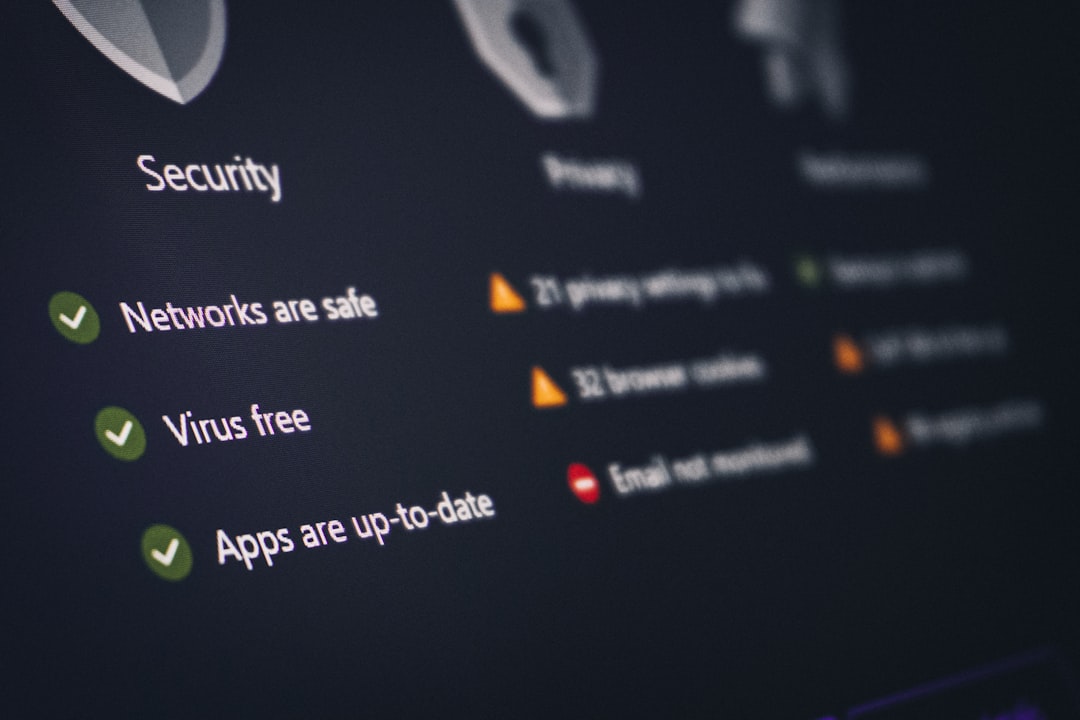
Attackers understand this shift. Instead of trying to breach heavily fortified data centers, they often target individuals through phishing emails, malicious downloads, or compromised websites. Once a single device is infected, it can serve as a gateway into the broader corporate network.
Key drivers behind the importance of endpoint security include:
- Rise of remote and hybrid work
- Increasing ransomware attacks
- Growth of BYOD environments
- Expanding use of cloud applications
- Stricter data privacy regulations
Without strong endpoint protection, organizations leave themselves vulnerable to financial losses, reputational damage, and legal consequences.
Core Features of Modern Endpoint Security Software
Endpoint security solutions vary by vendor, but most enterprise-grade platforms include the following core capabilities:
1. Advanced Malware Protection
Modern tools go beyond signature-based detection. They analyze file behavior, monitor system processes, and use predictive algorithms to identify suspicious activities before damage occurs.
2. Endpoint Detection and Response (EDR)
EDR capabilities provide real-time visibility into endpoint activity. When a threat is detected, security teams can:
- Isolate affected devices
- Kill malicious processes
- Roll back systems to pre-infection states
- Investigate root causes
3. Firewall and Intrusion Prevention
Integrated firewalls and intrusion prevention systems monitor network traffic to block unauthorized access attempts and suspicious communication.
4. Data Encryption
Full-disk encryption ensures that if a device is lost or stolen, sensitive data remains inaccessible without proper authentication.
5. Device Control
Administrators can restrict the use of external devices such as USB drives, reducing the risk of data leakage or malware introduction.
6. Centralized Management Console
IT teams can monitor, manage, and update security policies across all devices from a single dashboard, improving efficiency and response time.
How Endpoint Security Differs from Traditional Antivirus
While antivirus software focuses primarily on detecting and removing known malware, endpoint security platforms provide a broader and more proactive defense strategy.
Traditional Antivirus:
- Relies heavily on signature databases
- Limited threat visibility
- Minimal centralized management
Endpoint Security Software:
- Uses AI-driven threat detection
- Offers real-time monitoring and response
- Provides centralized policy enforcement
- Supports compliance reporting
This evolution reflects the growing complexity of today’s threat landscape.
Benefits of Implementing Endpoint Security Software
The advantages of deploying comprehensive endpoint protection go far beyond simple malware prevention.
Image not found in postmetaReduced Risk of Data Breaches
By detecting suspicious behavior early, endpoint solutions prevent attackers from gaining a foothold and exfiltrating sensitive information.
Improved Regulatory Compliance
Many regulations require organizations to implement adequate security controls. Endpoint protection supports compliance with standards such as GDPR, HIPAA, and ISO frameworks.
Lower Incident Response Costs
Automated detection and remediation reduce the time and resources required to handle security incidents.
Enhanced Productivity
When devices run securely and efficiently, employees experience fewer disruptions caused by malware infections or system slowdowns.
Scalability for Growing Businesses
Cloud-managed endpoint platforms allow organizations to scale protection as they add new users and devices.
Challenges in Endpoint Security
Despite its advantages, implementing endpoint security is not without challenges. Organizations must address:
- Device diversity: Multiple operating systems and hardware configurations increase complexity.
- User behavior: Human error remains a leading cause of breaches.
- Shadow IT: Unauthorized devices and applications can bypass official security controls.
- Performance concerns: Overly aggressive security software can slow down systems.
To overcome these obstacles, companies need a balanced approach that combines technology, user training, and clear security policies.
Best Practices for Effective Endpoint Protection
Deploying endpoint security software is a strong start, but maximizing its effectiveness requires additional measures:
- Keep software updated: Regularly apply patches and updates to address newly discovered vulnerabilities.
- Adopt a zero-trust model: Continuously verify users and devices before granting access.
- Enable multi-factor authentication (MFA): Add an extra layer of identity protection.
- Conduct regular security training: Educate employees on phishing and safe browsing practices.
- Perform routine audits: Review logs and conduct vulnerability assessments.

Combining these best practices with modern endpoint security tools creates a powerful defense against evolving cyber threats.
The Role of AI and Automation in Endpoint Security
Artificial intelligence has become a game-changer in endpoint protection. Machine learning algorithms analyze vast amounts of data to identify subtle anomalies that human analysts might miss. This enables:
- Faster threat detection
- Reduced false positives
- Automated remediation actions
Automation also helps security teams cope with alert fatigue. Instead of manually reviewing thousands of alerts, analysts can prioritize the most critical incidents, improving efficiency and morale.
Choosing the Right Endpoint Security Solution
Selecting the right platform depends on your organization’s size, industry, and risk profile. When evaluating vendors, consider:
- Comprehensive threat detection capabilities
- Ease of deployment and management
- Integration with existing security tools
- Scalability and cloud compatibility
- Quality of customer support
Requesting product demonstrations and conducting pilot testing can help determine whether a solution aligns with operational needs.
The Future of Endpoint Security
As cyber threats continue to evolve, endpoint security software will become even more sophisticated. Emerging trends include:
- Extended Detection and Response (XDR): Integrating endpoint, network, and cloud security data into a unified platform.
- Cloud-native security solutions: Designed for distributed and hybrid environments.
- Identity-centric security models: Combining device protection with user authentication mechanisms.
In a world where every device is a potential attack vector, robust endpoint security serves as both shield and sensor—blocking threats while providing valuable insights into organizational risk.
Ultimately, endpoint security software for device protection is not just a technical investment—it’s a strategic one. By safeguarding endpoints, organizations protect their data, their reputation, and their future growth. With the right tools, policies, and awareness, businesses can confidently navigate the digital landscape while staying one step ahead of cybercriminals.