 logo
logo



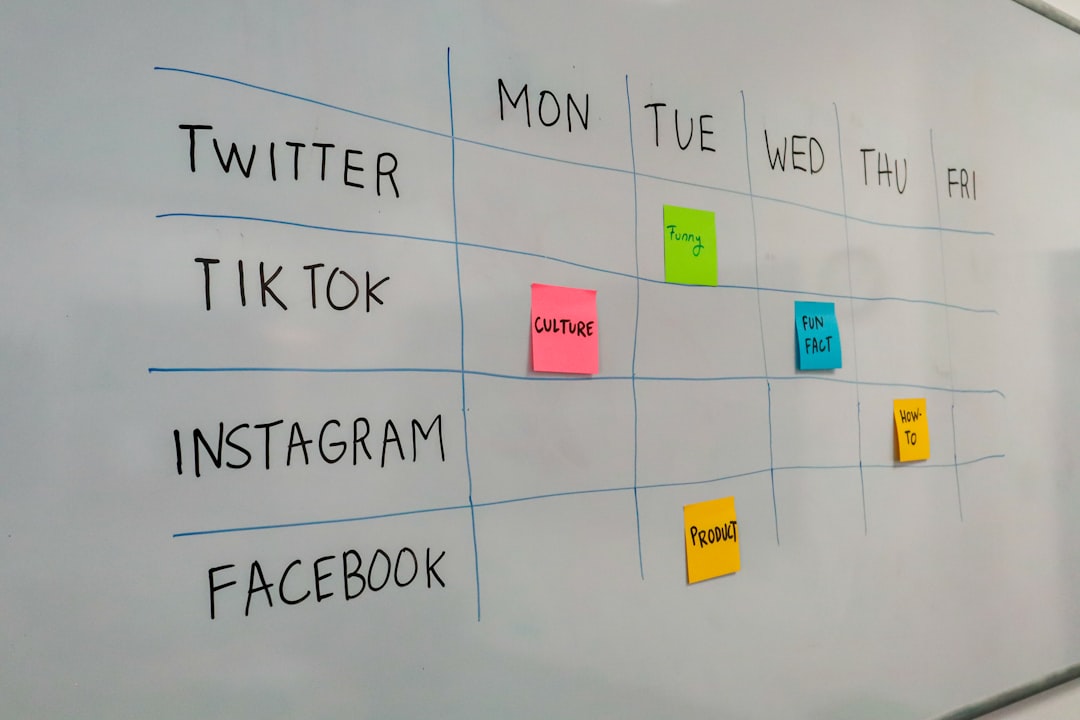
Instagram has evolved from a simple photo-sharing app into one of the most competitive digital marketing platforms in the world. Brands, creators, agencies, and small businesses now depend on structured workflows, data-driven decisions, and consistent publishing to remain visible in crowded feeds. As a result, scheduling and analytics tools have become essential rather than optional. The right platform not only saves time but also delivers measurable improvements in reach, engagement, and conversion performance.
TLDR: Instagram scheduling and analytics tools help businesses maintain consistent posting while providing the data needed to refine strategy. The best platforms combine automation, performance tracking, competitor insights, and user-friendly dashboards. Choosing the right tool depends on your goals—whether that’s growth, engagement, lead generation, or brand awareness. Investing in reliable analytics and scheduling platforms leads to smarter decisions and more sustainable growth.
Why Instagram Scheduling Matters More Than Ever
Consistency remains one of the strongest signals within Instagram’s algorithm. Regular posting improves visibility and strengthens audience retention. However, publishing in real time is often inefficient and prone to missed opportunities. Scheduling tools allow marketers to:
- Plan content weeks or months in advance
- Publish automatically at optimal engagement times
- Maintain brand consistency across multiple accounts
- Coordinate campaigns across teams
Manual posting also increases the risk of errors, especially for businesses operating across time zones. Automated scheduling ensures precision and eliminates unnecessary friction.
The Role of Analytics in Instagram Growth
Scheduling alone is not enough. Without analytics, publishing becomes guesswork rather than strategy. Robust Instagram analytics tools provide insights into:
- Engagement rate trends
- Follower growth patterns
- Content performance comparisons
- Hashtag effectiveness
- Audience demographics and behavior
These insights allow brands to refine posting times, creative formats, caption styles, and campaign structures. Data reveals what resonates—and equally important—what underperforms.
Key Features to Look for in Scheduling Tools
Not all Instagram schedulers offer the same capabilities. When evaluating options, consider whether the platform includes:
- Automatic Reels and carousel publishing
- Bulk upload functionality
- A visual content calendar
- Team collaboration tools
- Approval workflows
- Integration with other social platforms
Advanced tools may also provide AI-assisted caption suggestions and hashtag recommendations. While not essential, these features can improve efficiency for high-volume teams.
Top Instagram Scheduling Tools Worth Trying
1. Later
Later is widely recognized for its intuitive visual planner. The drag-and-drop interface simplifies grid planning, making it particularly useful for brands that rely heavily on aesthetics. It supports auto-publishing for feed posts, Stories, and Reels.
Strengths:
- Visual content preview
- User-friendly interface
- Link in bio integrations
Best for: Influencers, small brands, and visual-first campaigns.
2. Hootsuite
Hootsuite is a comprehensive social media management platform that includes scheduling, analytics, and monitoring. It is particularly suited for organizations managing multiple platforms beyond Instagram.
Strengths:
- Multi-platform dashboard
- Advanced reporting features
- Team permissions management
Best for: Agencies and enterprises with cross-platform strategies.
3. Buffer
Buffer is known for its streamlined design and focus on clarity. While it may not be as feature-heavy as some enterprise tools, it provides strong scheduling and detailed analytics for engagement tracking.
Strengths:
- Clear analytics reporting
- Simple post queue system
- Affordable plans for small teams
Best for: Startups and growing brands seeking simplicity.
4. Sprout Social
Sprout Social offers enterprise-level analytics and sophisticated reporting. Its in-depth audience insights and competitive tracking tools make it a favorite among data-driven organizations.
Strengths:
- Powerful analytics dashboards
- Social listening tools
- CRM integration features
Best for: Mid-sized to large businesses prioritizing analytics sophistication.
5. Meta Business Suite
For those seeking a cost-effective option, Meta Business Suite allows native scheduling and access to Instagram insights directly from Meta. Although its analytics capabilities are more basic compared to premium tools, it remains reliable for foundational management.
Strengths:
- Free to use
- Direct integration with Instagram
- Native performance metrics
Best for: Small businesses or solo creators.
Analytics Tools That Go Beyond Basics
While most scheduling platforms include integrated analytics, some specialized solutions focus exclusively on data intelligence. These tools are particularly valuable for performance marketers and growth strategists.
Iconosquare
Iconosquare delivers detailed performance insights and advanced competitor tracking. It excels in identifying long-term trends that might otherwise go unnoticed.
SocialBlade
SocialBlade provides public-facing growth tracking and comparative benchmarks. Although not as granular, it offers macro-level perspective on follower and engagement evolution.
Comparing Scheduling Versus Analytics-First Platforms
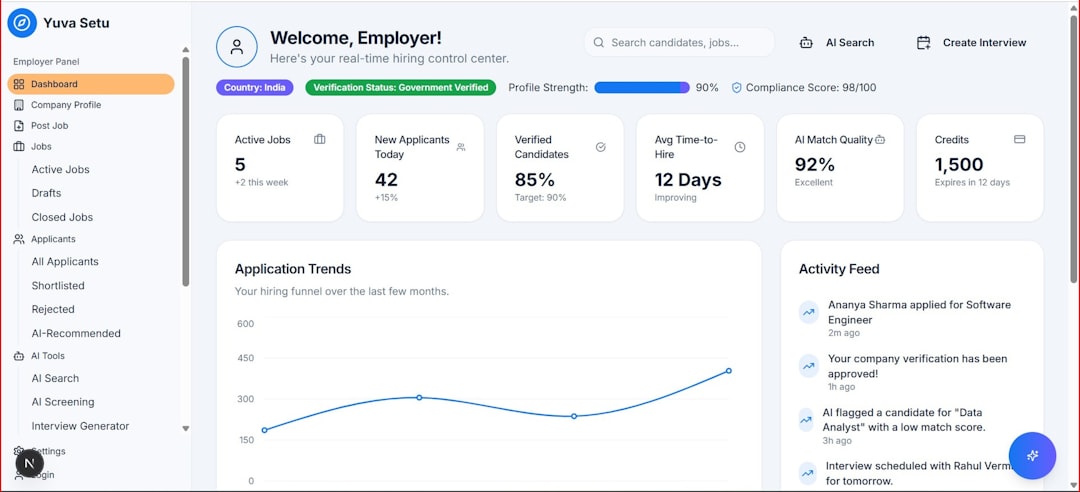
Some platforms emphasize publishing automation, while others focus on performance metrics. When deciding between them, evaluate your strategic priorities:
- If your challenge is content consistency, prioritize scheduling efficiency.
- If your challenge is slow growth or dropping engagement, prioritize analytics depth.
- If operating in competitive markets, look for competitor benchmarking tools.
For many organizations, a hybrid solution that balances both dimensions is ideal.
Common Mistakes When Using Instagram Tools
Technology does not automatically guarantee success. Businesses frequently misuse scheduling and analytics platforms in the following ways:
- Relying solely on automation without reviewing content quality
- Ignoring analytics data once campaigns are live
- Tracking vanity metrics instead of meaningful engagement
- Failing to test different posting times and formats
The tools are only as effective as the strategy behind them. Regular audits and performance evaluations remain essential.
How to Choose the Right Tool for Your Needs
Selecting the appropriate Instagram scheduling and analytics tool requires honest assessment of your operational structure and goals. Consider:
- Team size – Larger teams require collaboration and approval workflows.
- Budget constraints – Enterprise platforms come at higher costs.
- Reporting depth – Investors or stakeholders may require advanced data exports.
- Integration requirements – CRM, email, or advertising system compatibility.
Trial periods can be extremely valuable. Instead of committing immediately, test user experience, analytics clarity, and customer support responsiveness.
The Future of Instagram Scheduling and Insights
Automation will continue expanding. AI-driven caption generation, predictive engagement scoring, and intelligent time optimization are already emerging. In the near future, we can expect:
- Enhanced sentiment analysis
- Deeper integration with advertising insights
- Automated campaign recommendations
- Cross-channel attribution tracking
However, human oversight will remain critical. Creative authenticity and audience understanding cannot be completely automated.
Final Considerations
Instagram remains a highly dynamic platform. Trends shift rapidly, content formats evolve, and algorithm updates alter performance metrics. Therefore, businesses must rely on structured systems rather than reactive posting. Scheduling tools ensure consistency and efficiency. Analytics platforms provide clarity and measurable direction.
Organizations that combine both elements create sustainable strategies instead of temporary spikes in visibility. They understand their audience deeply, adjust campaigns responsibly, and remain adaptable in changing digital landscapes.
Ultimately, Instagram growth is not accidental. It is the result of disciplined planning, informed experimentation, and continuous measurement. The tools discussed above provide the infrastructure necessary to execute such strategies with professionalism and rigor.