 logo
logo



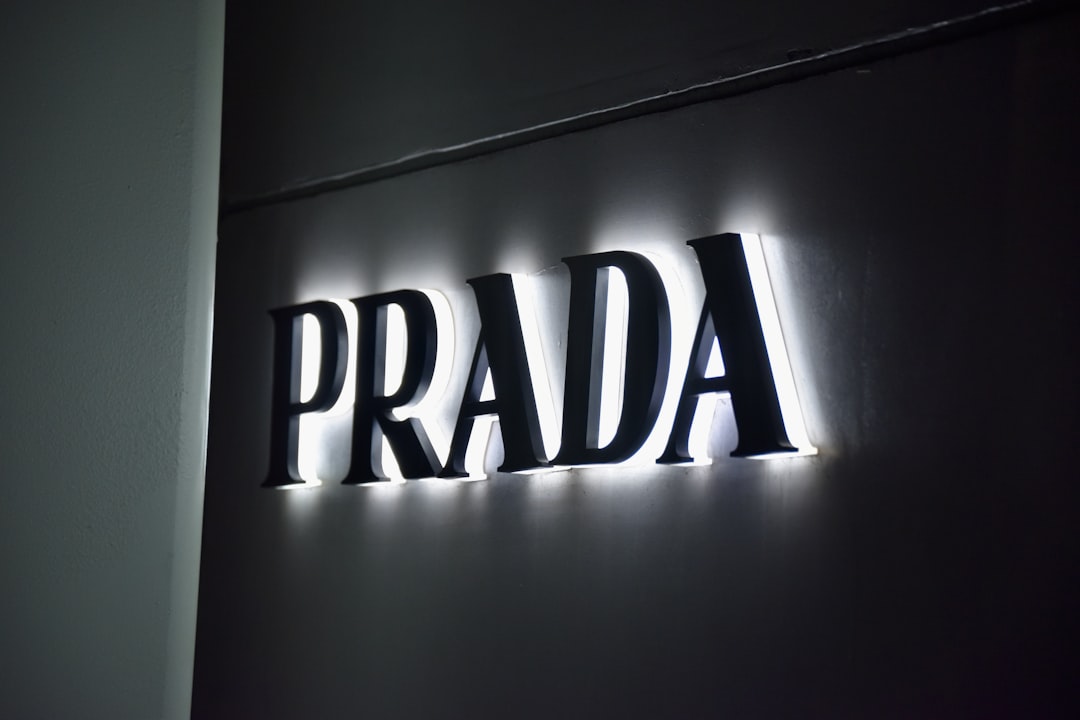
Walk down any busy street, through a shopping district, or into a modern office lobby, and you will notice one thing immediately: some brands seem to stand out before you even read their names. Often, the reason is dimensional branding. A well-designed 3D sign logo turns a flat identity into a physical experience, giving a business more presence, personality, and memorability.
TLDR: A 3D sign logo helps businesses attract attention, look more professional, and create stronger brand recognition. Unlike flat signage, dimensional signs use depth, materials, lighting, and shadow to make a logo feel more premium and memorable. Businesses choose 3D branding because it improves visibility, supports customer trust, and works across storefronts, offices, events, and interiors. When designed well, it becomes both a sign and a brand asset.
What Is a 3D Sign Logo?
A 3D sign logo is a physical version of a company’s logo created with depth, layers, raised lettering, sculpted elements, or dimensional materials. Instead of being printed on a flat surface, the logo is built to project outward, creating real shadows and visual texture. This may include acrylic letters on a wall, illuminated channel letters on a storefront, metal logos in a reception area, or carved dimensional signs placed outside a building.
The key difference is presence. A flat logo communicates the brand, but a 3D logo occupies space. It interacts with light, architecture, movement, and the viewer’s environment. That makes it particularly useful for businesses that want to be noticed quickly and remembered clearly.
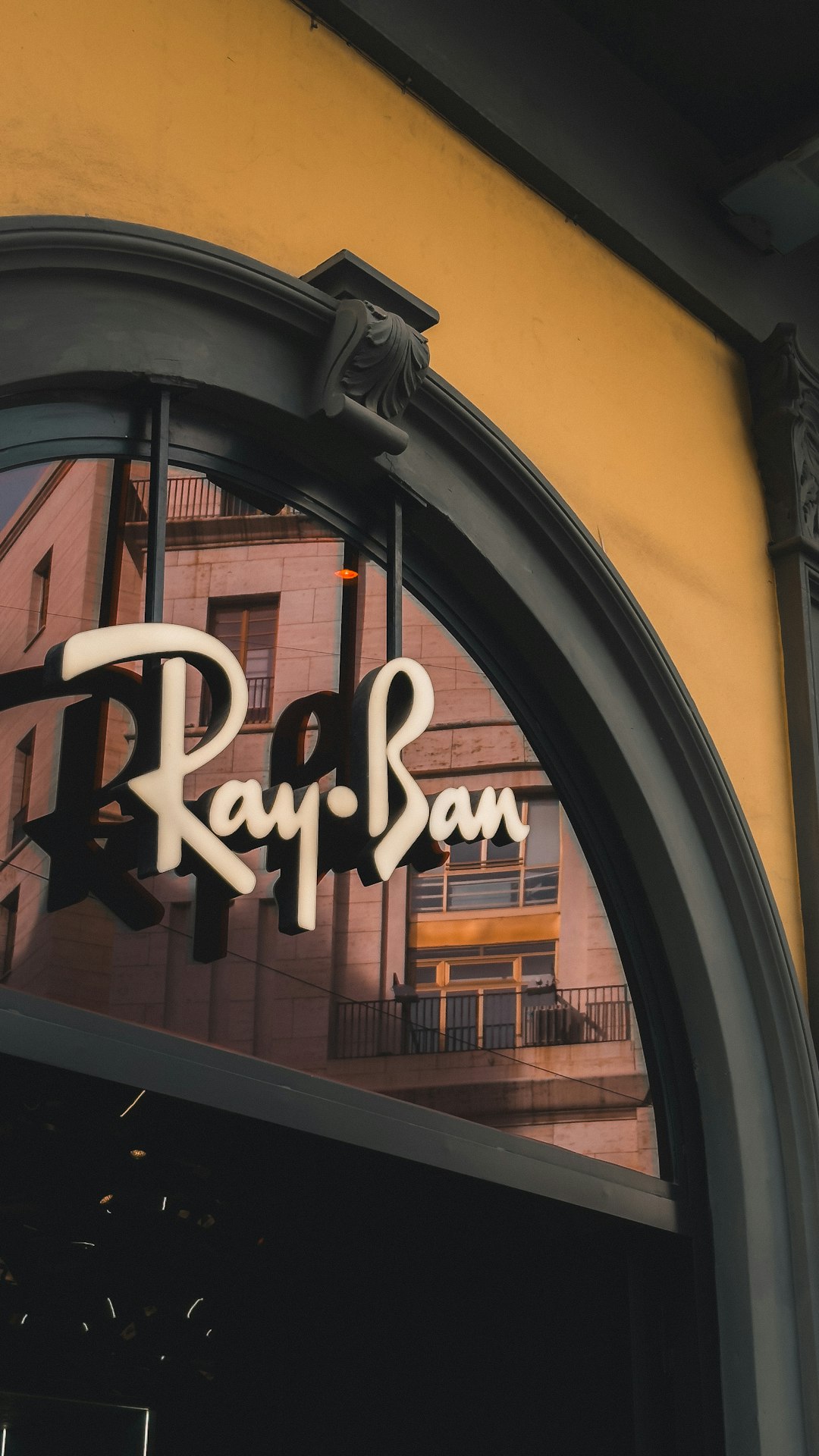
Why Dimensional Branding Is Becoming More Popular
Modern branding is no longer limited to websites, packaging, and social media graphics. Customers encounter businesses in parking lots, office entrances, retail spaces, trade shows, hotels, restaurants, clinics, coworking spaces, and entertainment venues. In these physical environments, a dimensional sign can do something digital branding cannot: it creates a tangible brand moment.
Businesses are choosing 3D sign logos because they help bridge the gap between visual identity and customer experience. When someone walks into a space and sees a polished dimensional logo behind the reception desk, it can instantly communicate stability, confidence, and attention to detail. That impression matters, especially in industries where trust is essential.
The Visual Impact of Depth and Shadow
One of the strongest advantages of 3D signage is the way it uses depth. Raised surfaces naturally catch light differently from flat graphics. Shadows shift throughout the day. Edges create definition. Materials reflect, absorb, or diffuse light. These details make the logo more visually engaging.
For storefronts, this can significantly improve visibility. A sign with dimensional lettering is easier to spot from a distance because it has contrast and form. At night, illuminated 3D logos can become even more effective, helping customers locate a business while reinforcing the brand’s style.
Depth also affects perception. People often associate dimensional signs with quality, permanence, and professionalism. A carefully fabricated logo suggests that the business has invested in its identity, which can make customers feel more confident before they ever enter the door.
Materials That Shape the Brand Personality
A 3D sign logo is not just about shape; it is also about material. The right material can express a brand’s personality as strongly as color or typography. For example, brushed metal often feels modern, reliable, and upscale. Wood can feel warm, natural, and handcrafted. Acrylic offers clean lines and flexibility, while foam or PVC can be lightweight and cost-effective for interior use.
- Acrylic: A popular choice for sleek, colorful, polished logos in offices and retail spaces.
- Metal: Ideal for premium, industrial, corporate, or architectural branding.
- Wood: Great for hospitality, wellness, restaurants, boutiques, and eco-conscious brands.
- Foam: Lightweight and versatile, often used for events, displays, and interior walls.
- LED lighting: Adds visibility, drama, and a modern feel, especially for exterior signage.
Because material choices influence the emotional tone of the brand, businesses often use dimensional signage as part of a larger interior or exterior design strategy.
3D Logos Help Customers Remember You
Brand recognition depends on repetition, clarity, and emotional connection. A 3D sign logo supports all three. Customers may see the same logo online, on packaging, on uniforms, and then in a physical dimensional form at the business location. That consistency strengthens memory.
But dimensional signage adds something extra: it creates a spatial memory. People remember not only the logo itself, but where they saw it, how it looked in the room, and how it made the business feel. This is especially valuable in competitive markets where many companies offer similar products or services.
For example, two cafés may both have attractive flat logos, but the one with a warm wooden 3D logo, soft backlighting, and a distinctive wall display may feel more inviting. That feeling can influence whether a customer takes a photo, recommends the place, or returns later.
Professionalism and Trust at First Glance
Customers form impressions quickly. In many cases, they decide whether a business feels credible within seconds. A high-quality 3D logo can help create a strong first impression by making a space look finished, intentional, and professional.
This is particularly important for service-based businesses such as law firms, medical clinics, financial offices, real estate agencies, consulting companies, and technology firms. In these industries, customers are often looking for signs of reliability. A dimensional logo in a reception area or conference room can subtly reinforce the message that the company is established and serious about its work.
Good signage does not simply label a space; it sets expectations. A clean, well-lit, dimensional logo tells visitors that the brand cares about detail. That detail can translate into greater customer confidence.
Where Businesses Use 3D Sign Logos
One reason dimensional branding has become so common is its flexibility. A 3D sign logo can work in many locations and formats, from large exterior signs to subtle interior accents.
- Storefronts: Dimensional letters and illuminated logos help attract foot traffic and improve street visibility.
- Reception areas: A 3D wall logo creates a polished welcome point for clients and visitors.
- Trade shows: Dimensional branding helps booths look more professional and easier to spot.
- Restaurants and cafés: Materials like wood, metal, and neon-style lighting can enhance atmosphere.
- Corporate interiors: Logos in meeting rooms, hallways, and employee areas strengthen internal branding.
- Outdoor monument signs: Durable dimensional logos can make a building or campus easier to identify.
Because 3D signs can be customized in size, color, finish, and lighting, they can support both subtle luxury branding and bold high-impact visibility.
The Role of Lighting in Dimensional Signage
Lighting can transform a 3D sign logo from attractive to unforgettable. Backlighting, front lighting, halo lighting, and internal LED illumination all create different effects. A halo-lit logo, for instance, produces a soft glow around each letter, making the sign feel refined and modern. Internally lit channel letters are highly visible from a distance and are common for storefronts, shopping centers, and entertainment venues.
Lighting also extends the usefulness of signage beyond daylight hours. For businesses open in the evening, such as restaurants, gyms, hotels, bars, pharmacies, and convenience stores, illuminated 3D signage is both practical and promotional. It helps people find the location and keeps the brand visible even after dark.

Dimensional Branding and Social Media Appeal
Another reason businesses invest in 3D sign logos is their shareability. Customers often take photos in attractive spaces, especially when an interior includes a visually interesting branded wall. A dimensional logo can become a photo backdrop, a check-in point, or a recognizable feature in user-generated content.
This is especially useful for restaurants, salons, fitness studios, boutiques, hotels, event venues, and creative offices. A photogenic 3D logo encourages people to share the brand naturally, without feeling like an advertisement. When customers post images featuring the sign, the business gains extra exposure and social proof.
Design Considerations for an Effective 3D Sign Logo
Not every logo automatically works well in three dimensions. Before fabrication, businesses should consider how the logo will translate into physical form. Thin lines, tiny details, complex gradients, or overly delicate typography may need adjustment. The goal is to preserve brand recognition while ensuring the sign is durable, readable, and visually balanced.
Important design considerations include:
- Scale: The sign should be large enough to read from the intended viewing distance.
- Contrast: Colors and materials should stand out against the background surface.
- Placement: The logo should be positioned where people naturally look or move.
- Lighting: Natural and artificial light affect shadows, reflections, and readability.
- Durability: Exterior signs must withstand weather, sunlight, and temperature changes.
- Brand consistency: The dimensional version should still feel connected to other brand assets.
A successful 3D sign logo is not just a larger version of a graphic file. It is a designed object that must work in a real environment.
Is a 3D Sign Logo Worth the Investment?
For many businesses, the answer is yes. While dimensional signage may cost more than simple printed signs, it often delivers more long-term value. A durable, well-made 3D logo can last for years, continuously promoting the business and improving the look of the space.
It can also influence how customers perceive pricing and quality. A professional sign can make a business feel more premium, which may support higher-value services or products. In retail and hospitality, improved visibility can help bring in more walk-in customers. In offices, it can strengthen client confidence and employee pride.
Of course, the best results come from matching the sign to the business goals. A small boutique may need a charming handcrafted look, while a technology company may prefer sleek acrylic and LED lighting. The right choice depends on audience, location, budget, and brand personality.
The Future of Dimensional Branding
As physical spaces become more experience-focused, 3D sign logos are likely to remain popular. Businesses want environments that feel memorable, camera-friendly, and aligned with their brand identity. Dimensional signage fits perfectly into that trend because it combines design, architecture, marketing, and customer experience.
New fabrication methods, lighting technology, and material options are also making 3D signage more creative than ever. Companies can create layered logos, mixed-material installations, illuminated wall features, sculptural displays, and branded environmental graphics that go far beyond traditional signs.
Final Thoughts
A 3D sign logo is more than a decorative upgrade. It is a practical branding tool that improves visibility, communicates professionalism, and helps customers remember a business. By adding depth, texture, material, and light to a brand identity, dimensional signage turns a logo into something people can experience.
For businesses that want to stand out in crowded markets, dimensional branding offers a powerful advantage. It makes the brand more noticeable from the street, more impressive inside the space, and more memorable long after customers leave. In a world filled with flat screens and digital impressions, a well-crafted 3D logo gives a business something refreshingly real.