 logo
logo



A whistle is one of the smallest objects in sports and safety, yet it carries a surprisingly powerful message: attention, authority, alertness, and action. When transformed into a logo, the whistle becomes more than a tool; it becomes a symbol of leadership, coordination, protection, and rapid response. For sports teams, coaching brands, referees, fitness programs, lifeguard services, security groups, and safety training companies, a logo whistle can communicate purpose instantly.
TLDR: A whistle logo works especially well for brands connected to sports, coaching, refereeing, emergency response, safety training, and supervision. The best designs combine a clear whistle shape with meaningful details such as motion lines, shields, waves, badges, or bold typography. Keep the logo simple, scalable, and easy to recognize across uniforms, websites, signage, and merchandise. Choose colors and fonts that match your brand’s personality, whether energetic, professional, protective, or community focused.
Why a Whistle Makes a Strong Logo Symbol
The whistle is universally understood. In sports, it starts and stops play, signals a foul, and guides athletes. In safety environments, it warns, alerts, and calls for help. This broad recognition gives whistle logos an advantage: people do not need to think too hard to understand the brand’s general field.
A well designed whistle logo can suggest several powerful ideas at once:
- Authority: Coaches, referees, supervisors, and trainers all use whistles to direct action.
- Speed: A whistle sound cuts through noise immediately, making it ideal for fast moving brands.
- Safety: Lifeguards, emergency teams, outdoor guides, and school monitors use whistles as alert tools.
- Discipline: Sports training programs can use the whistle to represent structure and focus.
- Communication: The whistle is a simple but effective way to send a clear signal.
This makes the logo whistle especially flexible. It can look playful for a youth sports club, aggressive for a competitive training brand, refined for a referee association, or dependable for a safety organization.
Sports Logo Whistle Ideas
For sports brands, a whistle logo should feel dynamic. The design needs to capture energy, teamwork, movement, and competition. A plain whistle icon may be too static on its own, so the trick is to add visual cues that make it feel active.
One popular approach is to combine the whistle with motion lines. These lines can trail behind the whistle, suggesting a sharp sound traveling across a field or court. This is ideal for coaching academies, referee services, sports camps, and training apps.
Another option is to merge the whistle with a ball shape. For example, the whistle’s circular opening can become a soccer ball, basketball, volleyball, or tennis ball. This gives the design a sport specific identity without adding too many separate elements. A football coaching brand might use the whistle cord to form the curve of a football, while a basketball referee group could place a whistle inside a court outline.
Sports whistle logos can also work well with mascot inspired graphics. A whistle with eyes, a bold expression, or a stylized face can be fun for children’s leagues or school programs. However, this approach should be used carefully. If the brand needs to look professional or official, a cartoon whistle may feel too casual.
Safety Brand Logo Whistle Ideas
For safety brands, the whistle should communicate reliability, awareness, and protection. Unlike sports logos, which often prioritize energy, safety logos should usually feel calm, clear, and trustworthy. The whistle can be paired with symbols that suggest security and emergency readiness.
A strong safety concept is the whistle and shield. The shield represents protection, while the whistle represents alertness. Together, they make a natural logo for workplace safety consultants, school safety programs, security training companies, and public event supervision teams.
Another effective idea is a whistle combined with sound waves. This visually communicates warning, communication, and fast response. For emergency preparedness brands, outdoor survival instructors, or lifeguard services, sound waves can make the whistle feel active without making the logo overly aggressive.
Lifeguard and water safety brands can combine a whistle with waves, a rescue buoy, or a sun. The design should remain simple, but these supporting elements provide helpful context. A whistle above a wave can immediately feel connected to beaches, pools, and aquatic supervision.
Choosing the Right Logo Style
The same whistle can look very different depending on the design style. Before choosing colors or fonts, it helps to define the brand’s personality. Is it official and serious? Youthful and energetic? Premium and minimal? Community based and friendly?
Here are several style directions to consider:
- Minimalist: A clean line drawing of a whistle works well for modern coaching platforms, referee networks, and safety apps.
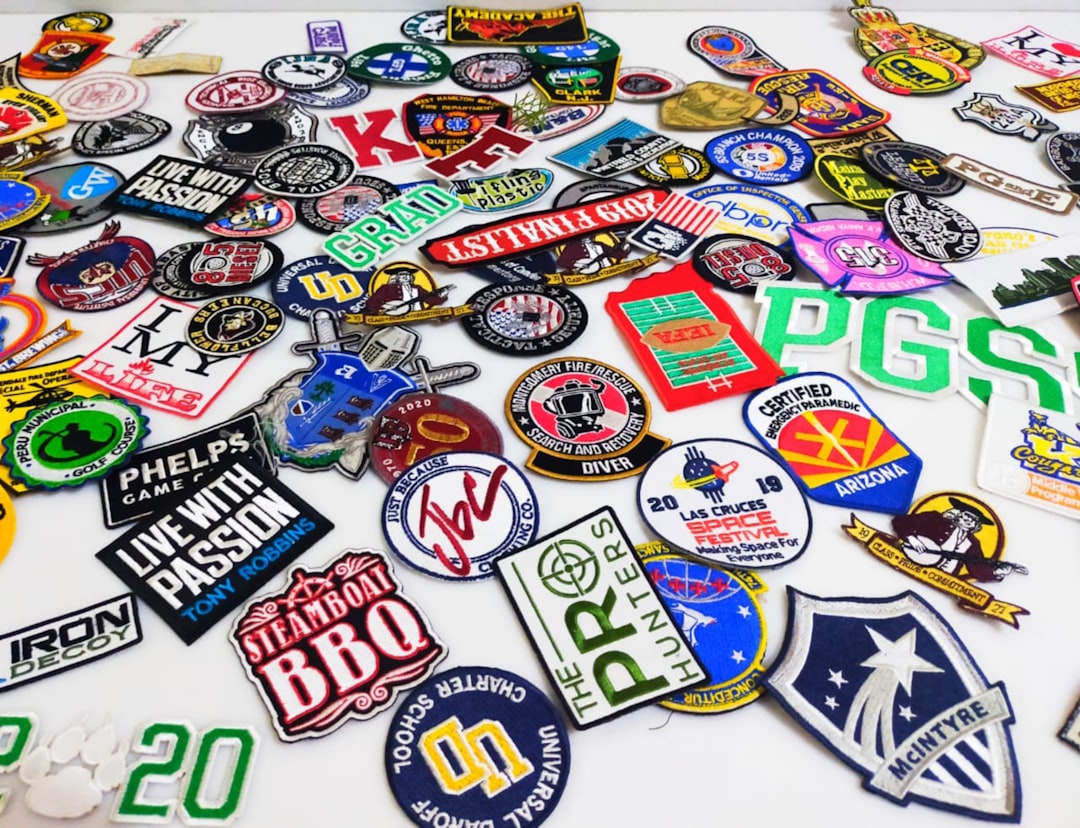
- Badge style: A whistle inside a circular or shield shaped badge is ideal for teams, leagues, academies, and official organizations.
- Bold athletic: Thick outlines, angled shapes, and sharp typography help create a powerful sports identity.
- Friendly illustrated: Rounded shapes and softer colors suit youth sports, school programs, and family safety brands.
- Professional corporate: Simple geometry, balanced spacing, and restrained colors help safety consultants and training providers look credible.
A logo should not simply look attractive; it should fit the environment where it will be used. A referee association may need a polished badge for uniforms and certificates, while a sports performance coach may prefer a fast, aggressive wordmark for social media and apparel.
Color Ideas for Whistle Logos
Color changes the entire meaning of a whistle logo. Bright colors can make a sports brand feel energetic, while darker colors can make a safety brand feel serious and dependable.
Black and white is a classic choice for referees and officials. It feels direct, timeless, and authoritative. It also works well on uniforms, patches, and printed materials.
Red suggests urgency, strength, and warning. It can be useful for emergency alert brands, safety campaigns, first aid training, or competitive sports organizations. However, red can feel intense, so it should be balanced with white, black, gray, or navy.
Blue communicates trust, professionalism, and calm. It is excellent for safety training companies, lifeguard programs, school safety services, and community recreation brands.
Yellow or orange creates visibility and energy. These colors are common in safety gear and can make a logo feel alert and approachable. They are especially effective for outdoor adventure safety, traffic control training, and youth sports.
Green can work for outdoor sports, camping safety, hiking guides, and environmental education programs. It gives the whistle a natural, responsible feeling.
For most brands, a two color palette is enough. Too many colors can make a whistle logo hard to reproduce on uniforms, whistles, signs, banners, and embroidered patches.
Typography That Works With Whistle Logos
Typography is just as important as the icon. A great whistle symbol can lose impact if paired with the wrong font. For sports brands, bold sans serif fonts are often the best choice. They feel strong, readable, and athletic. Angled or slightly condensed letterforms can create a sense of speed and competition.
Safety brands usually benefit from fonts that are clear, stable, and highly legible. Avoid overly decorative lettering, especially if the logo will appear on instructions, safety manuals, uniforms, or emergency signage. People should be able to read the brand name quickly.
Consider these typography pairings:
- Whistle plus bold uppercase font: Great for competitive teams, referee crews, and performance training brands.
- Whistle plus rounded font: Friendly and approachable for youth leagues and school safety programs.
- Whistle plus clean geometric font: Professional for apps, safety consultants, and modern coaching services.
- Whistle plus slab serif font: Strong and traditional for academies, clubs, and official associations.
If the logo includes a long brand name, keep the whistle icon simple. If the brand name is short, the icon can include more personality and detail.
Creative Ways to Customize a Whistle Logo
The most memorable logos usually include a clever twist. Instead of using a generic whistle shape, think about how the symbol can be personalized for the brand’s niche.
A coaching business might use a whistle cord shaped like a check mark, representing progress and improvement. A referee organization could use a whistle integrated into a striped uniform pattern. A school safety program might place a small star or book shape inside the whistle opening. A beach patrol brand could combine whistle curves with waves or a setting sun.
Negative space is another smart technique. The empty space inside or around the whistle can form a ball, shield, lightning bolt, or letter from the brand name. This makes the design feel more original while keeping it simple.
You can also customize the logo through the whistle’s angle. A horizontal whistle feels stable and official. A diagonal whistle feels fast and active. A front facing whistle can feel bold and iconic, especially when placed in a badge or emblem.
Where the Logo Will Be Used
Before finalizing any logo whistle design, think about real world applications. A sports or safety logo may appear in many places, including uniforms, hats, lanyards, whistles, posters, websites, vehicle decals, ID cards, and social media profiles.
This means the logo needs to work at different sizes. A detailed whistle illustration may look impressive on a large banner but become unclear when embroidered on a cap. A simple, strong silhouette usually performs better across all uses.
It is wise to prepare several versions of the logo:
- Full logo: Whistle icon with complete brand name and tagline.
- Horizontal version: Useful for websites, signs, and letterheads.
- Stacked version: Ideal for badges, shirts, and square layouts.
- Icon only: Perfect for social media profiles, app icons, patches, and small merchandise.
- One color version: Essential for embroidery, engraving, stamps, and low cost printing.
Common Mistakes to Avoid
One common mistake is adding too many symbols. A whistle, ball, shield, flame, star, wave, and lightning bolt all in one logo will feel cluttered. Choose one main idea and one supporting idea. Simplicity helps people remember the design.
Another mistake is making the whistle too realistic. Highly detailed shading, reflections, and tiny parts may look nice in a large digital image, but they often fail in practical use. A logo is not an illustration; it needs to be recognizable quickly.
It is also important to avoid confusing the logo’s tone. A safety training company should not look like a playful youth soccer team, and a kids’ sports camp should not look like a strict emergency enforcement agency. The whistle may be the shared symbol, but style determines the message.
Final Thoughts
A logo whistle is a compact symbol with a loud message. It can represent control, communication, protection, teamwork, speed, and leadership, making it a natural fit for both sports and safety brands. The best designs are not just attractive; they are clear, appropriate, memorable, and easy to use across many formats.
Whether you are building an identity for a referee group, coaching academy, lifeguard service, school safety program, or athletic training brand, start with the core meaning of the whistle. Then shape it with the right colors, typography, layout, and supporting symbols. When designed thoughtfully, a whistle logo does exactly what the real object does: it gets attention immediately and sends a signal people understand.