 logo
logo




LumberTrack is best understood as a operational interface designed for businesses that manage timber, lumber inventory, production workflows, orders, shipments, and related documentation. Its user experience is shaped by the practical needs of sawmills, wholesalers, distributors, manufacturers, and logistics teams that require accurate information without unnecessary complexity. A strong LumberTrack UI should support fast decision-making, reduce administrative effort, and provide dependable visibility across stock, processing, sales, and delivery activities.
TLDR: LumberTrack’s user interface is built around clarity, traceability, and operational control. A well-designed experience helps users move quickly between inventory, orders, production, and reporting without losing context. The platform’s value depends on accurate data presentation, intuitive navigation, and role-based workflows that reflect real lumber business operations. When implemented carefully, LumberTrack can improve efficiency, reduce errors, and strengthen confidence in day-to-day decision-making.
Purpose of the LumberTrack Interface
The primary purpose of the LumberTrack UI is to translate complex lumber operations into a structured and manageable digital environment. Lumber businesses often deal with changing inventory levels, multiple species and grades, variable dimensions, bundled materials, treatment statuses, customer-specific requirements, and transportation constraints. Without a clear interface, these details can become difficult to manage consistently.
A serious enterprise system must do more than store records. It must help users understand what is happening, what requires attention, and what actions should come next. LumberTrack’s interface is therefore expected to provide visibility, accuracy, and workflow continuity. Users should be able to track lumber from intake or production through storage, allocation, sale, shipment, and invoicing with minimal friction.

Overall Navigation and Structure
A reliable LumberTrack UI typically uses a navigation model organized around core business functions. These may include inventory, purchasing, production, sales orders, shipping, customers, suppliers, reporting, and administration. The best user experience occurs when these sections are clearly labeled and logically grouped, allowing users to find important functions without having to memorize deep menu paths.
Good navigation design is especially important in lumber operations because different users often interact with the system under time pressure. A yard manager may need to quickly check available stock. A sales representative may need to confirm dimensions and grades before committing to an order. A dispatcher may need to verify shipment readiness. Each user needs direct access to relevant information without unnecessary screens or confusing terminology.
A practical interface should also preserve context. For example, when viewing a sales order, the user should be able to access linked customer details, allocated inventory, shipment status, and pricing information without manually searching across separate modules. This type of connected navigation improves confidence and reduces the likelihood of errors.
Dashboard Experience
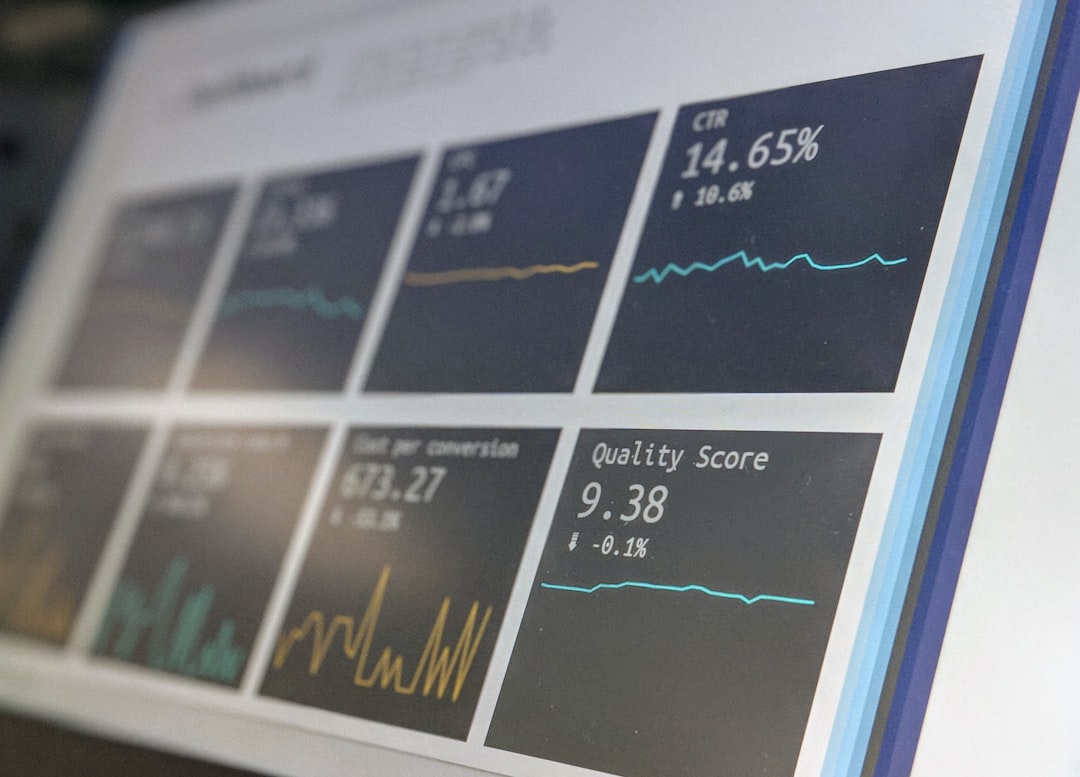
The dashboard is often the first point of contact after login, and it plays a major role in shaping user perception. A mature LumberTrack dashboard should not attempt to display every available metric at once. Instead, it should highlight the most important operational signals, such as inventory value, low-stock items, pending orders, production status, open shipments, and exceptions requiring review.
For managers, dashboard widgets may provide a concise summary of business health. For operational staff, the dashboard may prioritize task lists, alerts, and today’s workload. This is where role-based personalization becomes valuable. A single dashboard cannot serve every department equally unless it can be adapted to user responsibilities.
Important dashboard characteristics include:
- Clear visual hierarchy so urgent issues are easy to identify.
- Accurate real-time or near real-time data to support confident decisions.
- Actionable alerts that connect directly to the relevant record or workflow.
- Minimal clutter to avoid distracting users from critical tasks.
- Consistent formatting for counts, board feet, cubic volume, pricing, and dates.
Inventory Management Interface
Inventory is one of the most important areas of LumberTrack, and its UI must be especially precise. Lumber inventory is not always as simple as counting units. Users may need to track species, grade, length, width, thickness, moisture content, treatment type, location, package number, lot number, certification, and availability status. A trustworthy interface must make these attributes visible and searchable without overwhelming the user.
A strong inventory screen should offer advanced filtering, sorting, and grouping. Users should be able to narrow results by dimension, grade, location, customer allocation, or production batch. The ability to scan or enter package identifiers can further improve accuracy, especially in yard and warehouse environments.
Another important aspect is the distinction between available, reserved, in production, on hold, and shipped inventory. If these statuses are unclear, users may oversell stock, delay shipments, or make incorrect purchasing decisions. The UI should make the status of each item immediately understandable through labels, columns, and carefully used color indicators.
Order Entry and Sales Workflow
Order entry is a critical user journey because it connects customer demand with inventory availability and fulfillment execution. In LumberTrack, the order screen should be efficient, structured, and transparent. Sales staff must be able to create quotes, confirm pricing, allocate stock, review customer terms, and prepare an order for fulfillment without switching between too many disconnected screens.
An effective order entry interface includes validation and guidance. For instance, if a requested size or grade is unavailable, the system should clearly indicate the issue and, where possible, suggest alternatives. If pricing is dependent on grade, volume, contract terms, or customer category, the interface should display the calculation in a way that can be reviewed and trusted.
The user experience should also support common operational scenarios, including partial fulfillment, backorders, substitutions, custom cutting, and customer-specific labeling. These are not rare exceptions in lumber businesses; they are part of everyday work. A serious LumberTrack UI should treat them as standard workflows rather than forcing users into manual notes or external spreadsheets.
Production and Processing Visibility
For companies involved in milling, remanufacturing, drying, treating, or packaging, production visibility is essential. LumberTrack’s production interface should show what materials are entering a process, what outputs are expected, what has been completed, and where losses or changes have occurred. This supports accountability and helps the business understand yield, waste, and throughput.
The UI should present production jobs in a way that is easy to follow. Users should be able to see job status, assigned equipment, input packages, output inventory, completion dates, and any quality notes. If production teams use scanners or tablets on the floor, the interface must be simple enough for quick entry while still capturing accurate data.
Traceability is particularly important. When lumber is transformed, bundled, or reclassified, the system should maintain a clear relationship between original material and finished goods. A dependable UI makes this traceability visible without requiring technical knowledge from the user.
Shipping, Logistics, and Fulfillment
Shipping workflows require precision because mistakes can result in delays, returns, customer dissatisfaction, and added cost. LumberTrack should provide clear shipment planning screens that show open orders, allocated inventory, staging status, carrier information, delivery dates, and required documentation.
In a well-designed fulfillment interface, users can confirm that the correct bundles or packages are selected before loading. The UI should help compare the order requirements against the actual picked inventory. This is especially important when products have similar dimensions but different grades, treatments, or customer specifications.
Useful shipping interface features include:
- Load planning views that organize shipments by truck, route, customer, or delivery date.
- Pick lists that are clear, printable, and compatible with scanning workflows.
- Status indicators for staged, loaded, shipped, and delivered materials.
- Document access for bills of lading, packing slips, invoices, and certificates.
- Exception handling for shortages, substitutions, damage, or last-minute changes.
Reporting and Decision Support
Reporting is where LumberTrack moves beyond transaction processing and becomes a management tool. Executives and managers need reliable reports on inventory value, sales performance, purchasing trends, production yield, customer activity, margin, aging stock, and operational efficiency. The UI should make these reports accessible without requiring advanced technical skills.
A serious reporting experience should allow users to filter by time period, location, product category, customer, supplier, and status. Export options may be important, but the system should not depend entirely on spreadsheets for analysis. When possible, visual summaries, tables, and drill-down views should help users move from high-level trends to individual records.
Trust in reporting depends on consistent definitions. If two users run an inventory valuation report, they should understand whether reserved, damaged, in-transit, or work-in-process materials are included. The UI should make these assumptions clear. Ambiguous reports can undermine confidence even when the underlying data is accurate.

Data Entry and Error Prevention
One of the strongest indicators of UI quality is how well it prevents mistakes. LumberTrack users often enter data repeatedly throughout the day, including dimensions, quantities, grades, customer names, package identifiers, and shipment details. Even small errors can have significant consequences.
The user interface should reduce the burden on staff through dropdowns, barcode scanning, default values, templates, and validation rules. For example, if a product code does not match the selected species or grade, the system should warn the user before the transaction is completed. If a shipment exceeds available inventory, the interface should prevent confirmation or require authorized approval.
Error messages should be specific and useful. A vague message such as “Invalid entry” is not enough. A better message explains what is wrong and how to fix it. This approach saves time, improves training outcomes, and supports user confidence.
Accessibility, Readability, and Field Usability
LumberTrack may be used in offices, warehouses, yards, production areas, and shipping desks. This means the UI must be readable in different working conditions. Clear typography, sufficient contrast, large clickable targets, and responsive layouts all contribute to a better experience.
For field or warehouse users, screens should avoid dense layouts that require excessive scrolling or precise mouse movement. Tablet-friendly workflows, simplified forms, and barcode-focused interactions can improve speed and accuracy. Where mobile access is supported, the experience should prioritize essential tasks rather than attempting to replicate every desktop function.
Accessibility also matters from a professional and operational standpoint. A system that is easier to read and navigate benefits all users, not only those with formal accessibility needs. Consistent icons, plain language, and predictable screen behavior reduce fatigue and improve adoption.
Security and Role-Based Access
Because LumberTrack may contain sensitive pricing, customer information, supplier terms, inventory values, and financial records, the UI should reflect strong permission controls. Users should only see and edit the areas relevant to their responsibilities. For example, warehouse staff may need access to picking and receiving functions but not margin reports or customer credit limits.
Role-based access improves both security and usability. By hiding unnecessary functions, the system becomes less cluttered and easier to learn. It also reduces the risk of accidental changes to critical records. Administrative screens should provide clear user management tools, audit histories, and permission settings that can be reviewed with confidence.
Implementation and User Adoption
The success of LumberTrack is not determined only by interface design. Implementation quality, data migration, configuration, training, and internal process alignment all affect the user experience. Even a strong UI can feel difficult if product codes are inconsistent, workflows are poorly defined, or users are not trained properly.
Organizations should approach implementation with careful planning. Key users from sales, inventory, production, finance, and shipping should participate in testing. Their feedback can identify practical issues before full rollout. Training should focus not only on which buttons to click, but also on how LumberTrack supports the company’s operational standards.
It is also wise to establish governance around data quality. Clean master data, consistent naming conventions, and disciplined transaction practices are essential. A trustworthy interface depends on trustworthy information.
Final Assessment
LumberTrack’s UI and user experience should be evaluated by how effectively it supports real lumber operations. The best interface is not necessarily the most visually elaborate; it is the one that helps users complete important work accurately, quickly, and confidently. Clear navigation, dependable inventory visibility, efficient order handling, production traceability, reliable shipping tools, and meaningful reporting are the foundations of a strong system.
For lumber businesses, the stakes are practical and measurable. Better usability can reduce errors, improve service levels, protect margins, and give managers a clearer view of operational performance. When LumberTrack is configured thoughtfully and supported by disciplined processes, it can become a central source of truth for the business. Its user experience should therefore be judged not only by appearance, but by its ability to create control, consistency, and trust across the entire lumber workflow.
