 logo
logo




People discover websites in many ways: through search engines, ads, email newsletters, referrals, and increasingly, through social media. Social traffic refers to visitors who arrive on your website after clicking a link on a social platform. Whether that click comes from a viral TikTok, a LinkedIn post, a Facebook group, or an Instagram bio link, it can bring highly engaged users to your content, products, or services.
TLDR: Social traffic is website traffic that comes from social media platforms such as Facebook, Instagram, LinkedIn, X, Pinterest, TikTok, Reddit, and YouTube. It can be generated through organic posts, paid social ads, influencer mentions, community discussions, and shared links. While social traffic is not usually a direct ranking factor for SEO, it can support SEO by increasing visibility, backlinks, brand searches, engagement, and content discovery.
What Is Social Traffic?
Social traffic is the portion of your website traffic that comes from social media networks. In analytics tools, it is typically recorded when a user clicks a link on a social platform and lands on your website. For example, if someone sees your article shared on LinkedIn, clicks it, and reads the page on your site, that visit counts as social traffic.
Social traffic can come from both organic and paid activity. Organic social traffic happens when people click links in unpaid posts, profiles, stories, comments, or community discussions. Paid social traffic comes from sponsored posts, boosted content, or social media ad campaigns.
What makes social traffic interesting is that it is often driven by attention, conversation, and timing. A helpful guide, strong opinion, beautiful visual, funny video, or useful product can spread quickly if it resonates with the right audience.
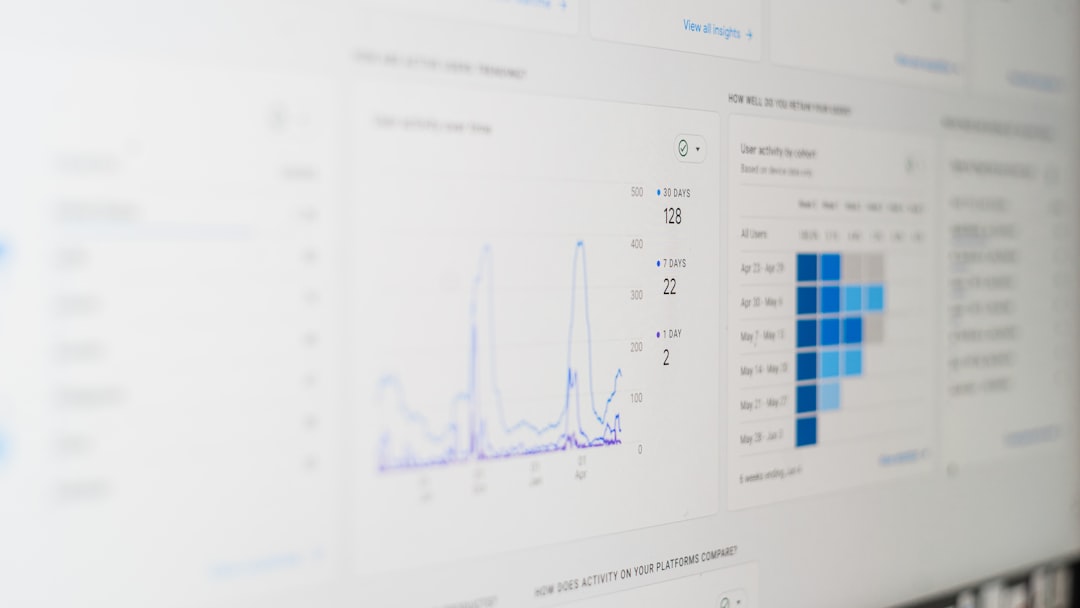
Main Sources of Social Traffic
Social traffic can come from many different platforms, and each one tends to attract different user behaviors. Understanding these sources helps you create content that fits the platform and the audience.
1. Facebook
Facebook can generate traffic through business pages, personal shares, groups, events, paid ads, and Messenger links. While organic reach on Facebook has become more limited over time, niche groups and community-driven posts can still send valuable visitors to a website.
2. Instagram
Instagram traffic usually comes from bio links, story links, product tags, ads, and direct messages. Since Instagram is a highly visual platform, it works especially well for brands in fashion, food, travel, fitness, beauty, design, and lifestyle industries. However, informative brands can also succeed by using carousels, reels, and educational visuals.
3. LinkedIn
LinkedIn is a major source of social traffic for B2B companies, consultants, software brands, recruiters, and professional publishers. Posts that share industry insights, original research, case studies, or strong expert opinions can drive high-quality visitors who are closer to making business decisions.
4. X, Formerly Twitter
X is often used for news, commentary, trends, technology discussions, and real-time updates. A well-timed thread, useful resource, or expert take can send a burst of traffic to a website. It is especially effective for journalists, SaaS companies, creators, developers, and thought leaders.
5. Pinterest
Pinterest behaves differently from many other social platforms because it functions partly like a visual search engine. Pins can continue driving traffic for months or even years. It is especially useful for recipes, home decor, fashion, crafts, wedding planning, travel, and DIY content.
6. TikTok
TikTok traffic can come from profile links, TikTok Shop, promoted posts, and users searching for a brand after watching a video. Although direct linking options may be limited depending on account type and region, TikTok can create major awareness and demand quickly.
7. Reddit and Community Platforms
Reddit, Quora, Discord, Slack communities, and niche forums can produce highly targeted social traffic. These platforms reward genuine participation and punish obvious self-promotion. When you provide useful answers and link only when relevant, community traffic can be extremely engaged.
8. YouTube
YouTube is both a social platform and a search engine. Traffic can come from video descriptions, pinned comments, channel pages, Shorts, and community posts. Educational videos, reviews, tutorials, and product comparisons often send visitors with strong intent.
Types of Social Traffic
Not all social traffic is the same. It helps to separate it into categories so you can measure performance more accurately.
- Organic social traffic: Visitors from unpaid posts, shares, comments, and profile links.
- Paid social traffic: Visitors from ads, boosted posts, sponsored videos, or promoted pins.
- Referral social traffic: Visitors from links shared by other users, influencers, communities, or media accounts.
- Dark social traffic: Visits from private sharing channels such as messaging apps, email forwards, or copied links. These may appear as direct traffic in analytics.
- Influencer-driven traffic: Visitors who arrive after a creator, expert, or public figure recommends your content or product.

How Social Traffic Supports SEO
There is a common misunderstanding that social media shares directly improve Google rankings. In most cases, social signals such as likes, shares, and follower counts are not direct ranking factors. However, social traffic can still support SEO in several powerful indirect ways.
1. More Content Discovery
Search engines cannot rank content that no one finds, references, or discusses. Social media helps put your content in front of people quickly. If your article, guide, video, or tool is useful, social exposure can lead to more people visiting, sharing, and mentioning it elsewhere online.
2. Increased Backlink Opportunities
Backlinks remain one of the strongest SEO signals. Social media can help your content reach bloggers, journalists, editors, podcasters, and industry experts who may link to it from their own websites. A single post that reaches the right person can result in a valuable backlink.
3. Stronger Brand Awareness
When people repeatedly see your brand on social media, they become more familiar with it. Over time, this can increase branded searches, such as people typing your company name, product name, or website directly into Google. Branded search demand can indicate authority and trust around your business.
4. Better Engagement Signals
If social visitors land on your site and spend time reading, browsing, or converting, that is a positive sign for your overall marketing performance. While engagement metrics are complex and not always direct ranking factors, high-quality traffic can help you understand what content satisfies users and deserves further optimization.
5. Faster Promotion of New Content
Publishing a blog post and waiting for Google to rank it can take time. Social media gives you an immediate distribution channel. By sharing new content with your audience, you can generate early visits, comments, feedback, and links that may help the content gain momentum.
6. Improved Topical Authority
Consistently sharing helpful content around a specific subject can position your brand as an authority. When your social presence, website content, guest mentions, and backlinks all reinforce the same themes, your overall digital footprint becomes stronger.
How to Increase Social Traffic
Growing social traffic is not just about posting more often. It is about posting the right content, for the right people, in the right format.
- Optimize your profiles: Make sure your bio, links, descriptions, and visuals clearly explain who you are and what users can find on your website.
- Create platform-specific content: A LinkedIn post should not always look like an Instagram caption or a TikTok script. Adapt your message to each platform.
- Use strong calls to action: Tell users why they should click, whether it is to read a guide, download a resource, compare options, or explore a product.
- Repurpose content: Turn a blog post into short videos, carousels, quote graphics, threads, infographics, or newsletter snippets.
- Engage with communities: Answer questions, join discussions, and provide value before sharing links.
- Track your links: Use UTM parameters to identify which platforms, campaigns, and posts drive the best traffic.
- Test paid promotion: Boost high-performing organic content to reach a larger and more relevant audience.
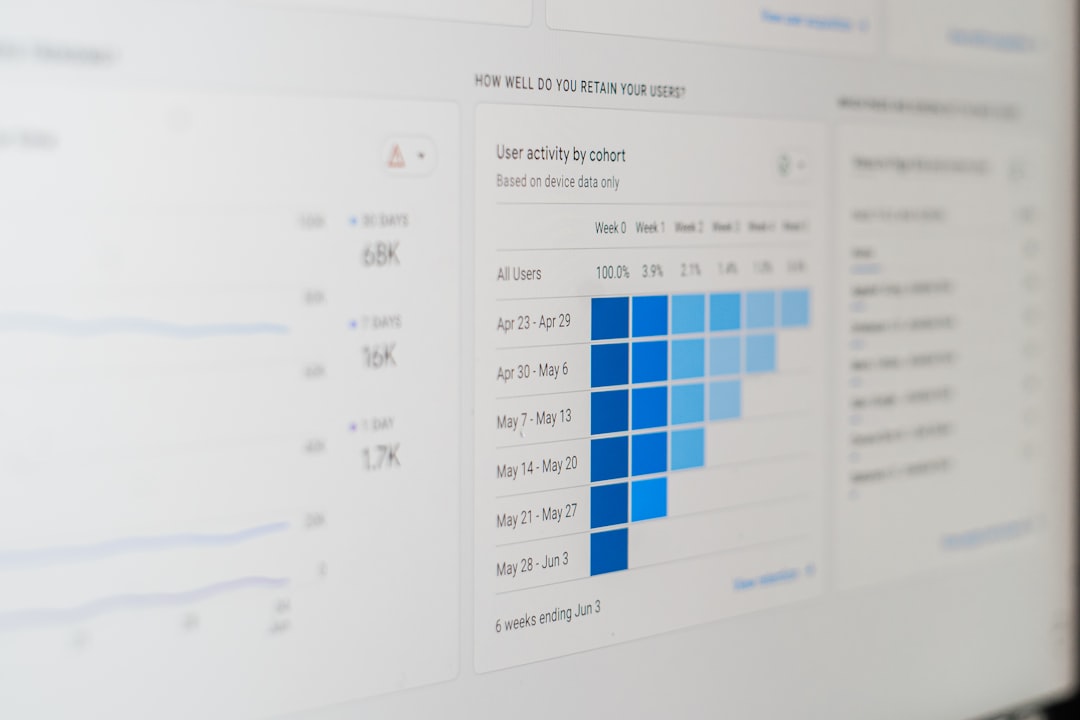
How to Measure Social Traffic
You can measure social traffic with tools such as Google Analytics, social media platform analytics, and SEO dashboards. Important metrics include:
- Sessions or visits from social channels
- Engagement rate and average time on page
- Conversions, such as leads, sales, signups, or downloads
- Bounce rate or low-engagement visits
- Top landing pages from social platforms
- Assisted conversions, where social helps users discover you before converting later
Do not judge social traffic only by immediate sales. Social media often plays an upper-funnel role, meaning it introduces people to your brand before they are ready to buy. A user might first discover you on Instagram, read your blog later from Google, and convert after receiving an email.
Final Thoughts
Social traffic is more than a vanity metric. When used strategically, it can bring relevant visitors to your website, expand your audience, generate backlinks, strengthen brand recognition, and support SEO growth. The key is to treat social media as a distribution and relationship-building channel, not just a place to drop links.
By creating useful content, adapting it to each platform, participating genuinely in communities, and tracking performance carefully, you can turn social traffic into a meaningful part of your digital marketing strategy.
