 logo
logo



For a new business, a logo is often the first visible sign of professionalism. It appears on websites, invoices, social profiles, packaging, presentations, and advertising. Beginners rarely have the budget or experience to manage a full design process, which is why logo design platforms have become a practical starting point for early branding decisions.
TLDR: Logo design platforms help beginners create a credible visual identity without advanced design skills. The best tools combine templates, guided customization, typography controls, color palettes, and downloadable brand assets. They are useful for testing ideas quickly, but users should still review quality, originality, licensing, and long-term brand fit before committing. A platform can simplify branding, but thoughtful decision-making remains essential.
Why beginners benefit from logo design platforms
Branding can feel abstract to someone launching a company for the first time. A founder may understand the product or service clearly, yet struggle to translate it into shapes, colors, and typography. Logo design platforms reduce that uncertainty by turning branding into a guided process. Instead of starting with a blank canvas, users answer questions, choose styles, adjust layouts, and compare options.
This structure is especially helpful because a logo is not only decorative. It communicates positioning. A financial consultant may need a restrained and stable identity, while a fitness brand may require energy and movement. Good platforms help beginners recognize these differences by offering curated visual directions rather than random graphic elements.
What these platforms typically offer
Most beginner-friendly logo platforms share several core features. While the interfaces differ, the purpose is the same: to make basic branding decisions faster and less intimidating.
- Template libraries: Prebuilt logo concepts organized by industry, style, or business type.
- Customization tools: Options to change fonts, colors, icons, spacing, and layout.
- AI assisted generation: Automated logo suggestions based on a company name, industry, and preferred look.
- Brand kits: Downloadable assets such as color codes, font pairings, social media files, and business card layouts.
- Export options: Files for web and print, often including PNG, JPEG, SVG, or PDF formats depending on the plan.
For beginners, the most valuable feature is not always the number of templates. It is the quality of guidance. A clean interface, sensible default settings, and clear file instructions can prevent costly mistakes later.
Popular types of logo design platforms
There are several categories of tools that can simplify branding. Understanding the differences helps users choose the right option for their stage of business.
Template based design editors
Platforms such as Canva and Adobe Express provide flexible design environments with logo templates, brand colors, and marketing layouts. These tools are suitable for people who want more control over the final appearance and expect to create other materials as well, such as flyers, social posts, presentations, or simple advertisements.
The advantage is versatility. Once a logo is created, the same visual style can be carried into related assets. The limitation is that beginners must still make design judgments. A poorly chosen font or overcrowded layout can weaken the result, even if the tool itself is easy to use.
AI logo generators
AI driven platforms such as Looka, Tailor Brands, and Wix Logo Maker focus on speed. Users usually enter a business name, select an industry, choose visual preferences, and receive a range of logo options. These systems are useful for founders who need inspiration or want to compare directions before investing further.
The main strength of AI logo generators is momentum. They help users get past the blank page quickly. However, results can sometimes feel generic, especially when common icons or predictable font combinations are used. Beginners should treat generated designs as strong starting points, not automatic final answers.
Business focused branding platforms
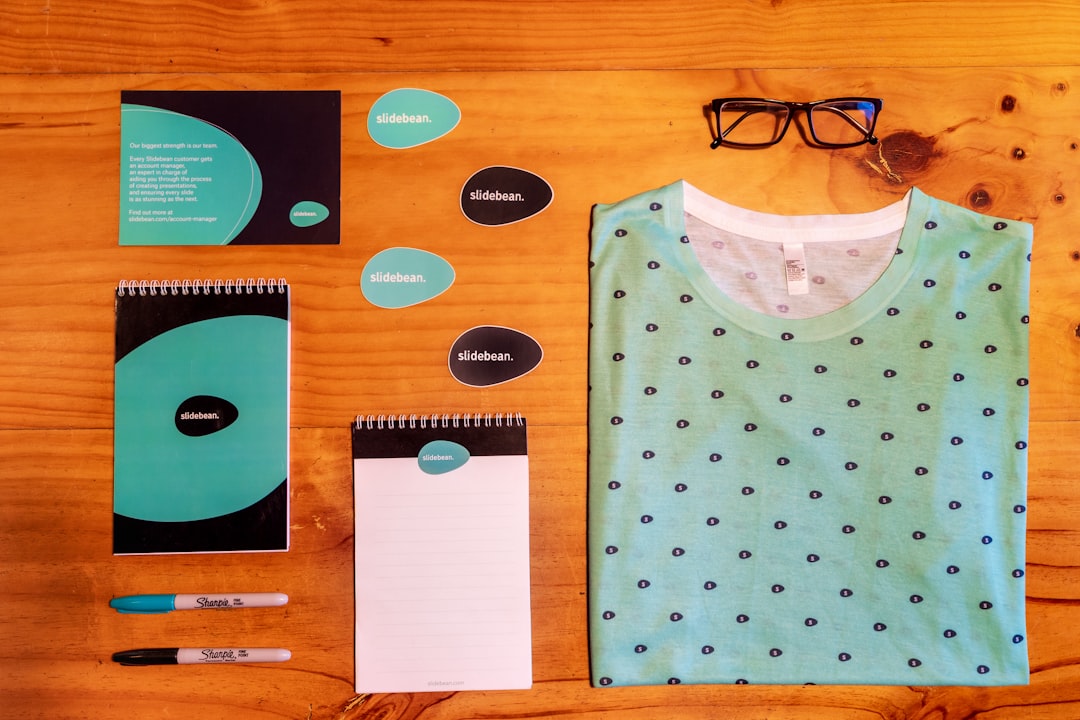
Some services go beyond logo creation and package the logo with business cards, social templates, website visuals, email signatures, and other identity materials. This can be useful for a small business that needs consistency across several channels. Instead of manually recreating the logo in different formats, users receive a more complete branding system.
The important question is whether the package provides files that will remain useful as the business grows. A founder should confirm whether vector files are included, whether the logo can be used commercially, and whether edits are possible after purchase.
How to evaluate a logo platform seriously
A trustworthy logo platform should do more than produce an attractive preview. Beginners should evaluate each tool with practical standards. The following criteria are especially important:
- File quality: A professional logo should be available in high resolution and, ideally, in vector format for scaling.
- Commercial usage rights: Users should read licensing terms and confirm they can use the logo for business purposes.
- Originality: Highly generic symbols may look acceptable at first but can make a brand harder to distinguish.
- Ease of editing: A good platform allows reasonable changes before final download and, preferably, later revisions.
- Brand consistency: The logo should work with matching colors, typography, and supporting assets.
- Transparent pricing: Costs should be clear before users commit time to building a design.
These points matter because a logo often becomes embedded in many business materials. Replacing it later can mean updating signs, packaging, digital profiles, and legal documents. A quick design process should still lead to a durable decision.
Common mistakes beginners should avoid
Logo design platforms make branding easier, but they do not remove every risk. One common mistake is choosing a logo because it looks fashionable rather than appropriate. Trends change quickly. A serious brand identity should remain useful for years, not only for a current visual trend.
Another mistake is using too many colors, fonts, or decorative effects. Beginners often try to communicate everything at once, but professional logos are usually simple. They must remain recognizable at small sizes and in different environments. A logo that looks impressive on a large preview may fail as a social media profile image or invoice header.
It is also important to check contrast and readability. If the business name becomes difficult to read, the design is not performing its basic role. Decorative scripts, thin lettering, and low contrast color combinations should be used carefully.
When a platform is enough and when to hire a designer
A logo platform can be enough for many early stage businesses, side projects, personal brands, local services, and test concepts. If the budget is limited and speed matters, a well chosen platform can provide a professional foundation. It allows entrepreneurs to begin presenting themselves consistently without delaying launch.
However, a professional designer may be a better choice when the brand must compete in a crowded market, support a premium price point, or operate across complex packaging and advertising systems. Designers can conduct deeper research, create custom concepts, and solve unusual visual problems. They can also build a more distinctive identity system than a template driven tool usually provides.
Practical workflow for beginners
A sensible approach is to begin with research before opening any design tool. Review competitors, note common colors and symbols, and identify what should feel different about the new brand. Then choose a platform that matches the level of control needed.
After generating or selecting several logo options, compare them in real use cases. Place the logo on a website header, social profile, business card, and plain black and white background. This simple test often reveals whether the design is flexible enough. Ask a few trusted people what they think the business does based only on the logo. If their impressions are consistently wrong, the design may need adjustment.
Finally, save all brand information in one place: logo files, color codes, font names, spacing rules, and usage notes. Even a simple brand guide helps maintain consistency as the business grows.
Conclusion
Logo design platforms have made branding more accessible for beginners by combining structure, automation, templates, and practical export tools. They help new businesses move from uncertainty to a usable visual identity without requiring advanced design knowledge. Still, the best results come from using these platforms thoughtfully. A strong logo should be clear, appropriate, scalable, legally usable, and consistent with the larger brand. For beginners, these tools are not shortcuts around strategy; they are practical systems for making better branding decisions with confidence.
