 logo
logo




Fuel is one of the largest controllable costs in fleet operations, and small inefficiencies can become major budget leaks when multiplied across dozens or hundreds of vehicles. A strong fleet fuel management system helps operators monitor fuel use, detect waste or theft, control card spending, and connect fuel data with vehicle, driver, and maintenance records.
TLDR: The best fleet fuel management system depends on whether your priority is fuel card control, telematics, maintenance integration, or on-site fueling. For example, a 75-vehicle service fleet reducing idle time by 12% and flagging only five suspicious fuel transactions per month could save thousands of dollars annually. Samsara, Geotab, Verizon Connect, Fleetio, WEX, FuelCloud, and Motive are all credible options, but they serve different operational needs.
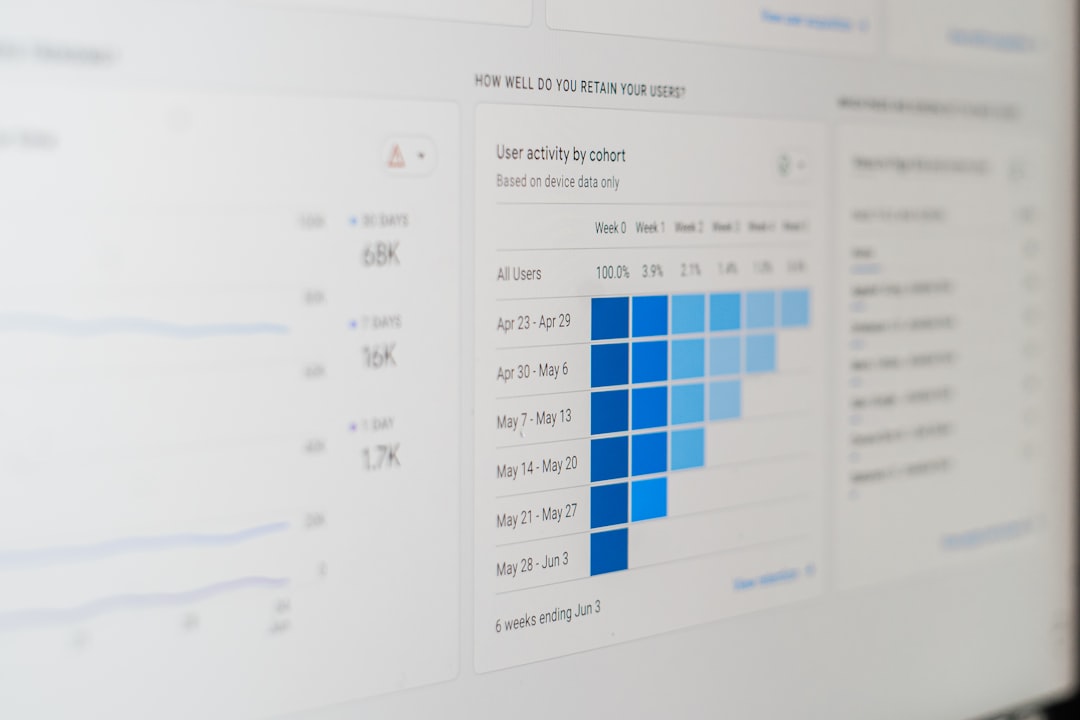
What to Look for in a Fleet Fuel Management System
Before comparing products, fleet managers should define what “fuel management” means for their operation. For some fleets, it means strict control over fuel cards. For others, it means using telematics to understand idle time, driver behavior, route efficiency, and fuel consumption by vehicle.
The most important evaluation criteria include:
- Fuel card controls: spending limits, product restrictions, driver PINs, and exception alerts.
- Telematics integration: mileage, GPS location, engine diagnostics, idle time, and fuel economy data.
- Fraud detection: alerts for fuel purchases that do not match tank capacity, location, or odometer readings.
- Reporting: fuel cost per mile, fuel consumption by asset, driver comparisons, and trend analysis.
- Maintenance connection: identifying vehicles with declining MPG or abnormal usage patterns.
- Scalability: whether the platform fits 10 vehicles, 500 vehicles, or mixed vehicle and equipment fleets.
1. Samsara
Samsara is well suited for fleets that want fuel management as part of a broader connected operations platform. It combines GPS tracking, vehicle diagnostics, driver behavior monitoring, and fuel-related reporting in one system.
Best for: medium to large fleets that want telematics-driven fuel insights.
Strengths: Samsara provides detailed visibility into idle time, inefficient routes, harsh driving, and engine performance. It can help managers identify the real causes of rising fuel costs rather than simply reporting transactions after they occur.
Considerations: Samsara may be more extensive than a small fleet needs if the only requirement is fuel card administration. Pricing and contract terms should be reviewed carefully.
2. Geotab
Geotab is a flexible telematics platform with strong analytics and a large marketplace of integrations. It is often favored by data-driven fleet teams that want to customize reporting and connect multiple systems.
Best for: fleets needing advanced reporting, diagnostics, and integrations.
Strengths: Geotab can track fuel usage, idling, engine fault codes, route performance, and driver behavior. Its open ecosystem is useful for fleets that already use separate maintenance, dispatch, or fuel card providers.
Considerations: Because Geotab is highly configurable, implementation quality depends heavily on setup, integration planning, and administrator training.
3. Verizon Connect
Verizon Connect offers fleet tracking, compliance, routing, and fuel-related insights. Its value is strongest when fuel management is part of a wider effort to improve productivity and route performance.
Best for: service, delivery, and field operations fleets.
Strengths: The platform helps managers reduce unnecessary mileage, monitor idling, and compare driver activity. For fleets with many customer stops, route optimization can be a meaningful fuel-saving tool.
Considerations: Some organizations may need to pair it with a dedicated fuel card program for deeper transaction-level controls.
4. Fleetio
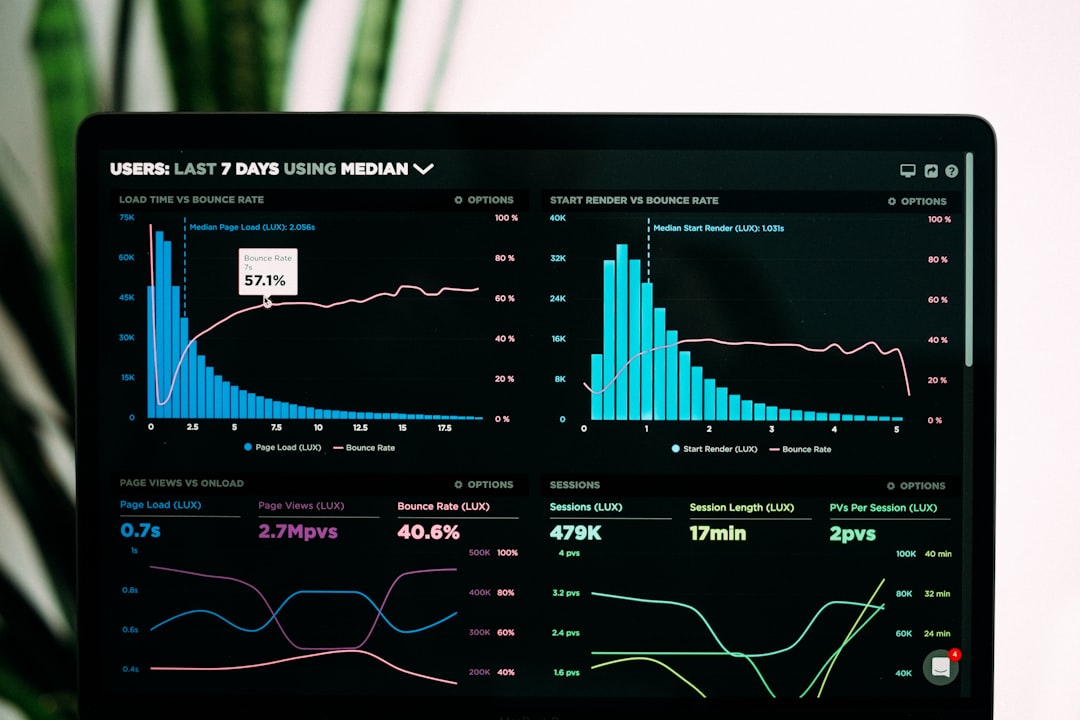
Fleetio is a fleet management platform with strong maintenance, asset, and fuel tracking capabilities. It is especially useful for fleets that want fuel data connected directly to vehicle health and lifecycle costs.
Best for: fleets focused on maintenance, total cost of ownership, and vehicle records.
Strengths: Fleetio allows teams to log fuel entries, import fuel card data, track cost per mile, monitor MPG trends, and identify vehicles that may need service. A sudden drop in fuel economy can trigger investigation before the issue becomes expensive.
Considerations: Fleetio is not primarily a fuel card provider, so companies may need to integrate with card systems or telematics tools for complete automation.
5. WEX
WEX is one of the most established fuel card and fleet payment providers. It focuses heavily on payment controls, transaction reporting, and nationwide fueling access.
Best for: fleets that need strong fuel card controls and broad acceptance.
Strengths: WEX offers purchase restrictions, driver identification, odometer capture, spending limits, and exception reporting. These controls are valuable for reducing unauthorized purchases and improving accountability.
Considerations: WEX is strongest on the payment side. Fleets seeking deeper vehicle diagnostics, idling analysis, or route optimization may need to combine it with a telematics provider.
6. FuelCloud
FuelCloud is designed for organizations that manage their own fuel tanks or private fueling sites. It provides cloud-based control over dispensing, access, inventory, and reporting.
Best for: construction, municipal, utility, and industrial fleets with on-site fueling.
Strengths: FuelCloud helps control who can dispense fuel, when they can do it, and how much they can take. It also supports tank inventory visibility, which is critical for preventing shortages, shrinkage, and manual recordkeeping errors.
Considerations: It is a specialized solution. Fleets that mostly fuel at public stations may get more value from a fuel card or telematics-based system.
7. Motive
Motive, formerly known as KeepTruckin, provides fleet management, telematics, dash cams, safety tools, and fuel insights. It is often used by trucking and logistics operations that want one operational platform for vehicles, drivers, and compliance.
Best for: trucking, logistics, and mixed commercial fleets.
Strengths: Motive can help reduce fuel waste by monitoring idling, driver behavior, vehicle utilization, and route activity. Its broader safety and compliance features may also support better operating discipline.
Considerations: As with other telematics platforms, fuel payment control may require integration with a card provider depending on business needs.
Quick Comparison
| Solution | Primary Strength | Best Fit |
|---|---|---|
| Samsara | Telematics and operational visibility | Connected fleets seeking broad analytics |
| Geotab | Custom analytics and integrations | Data-driven fleets |
| Verizon Connect | Routing, tracking, and productivity | Field service and delivery fleets |
| Fleetio | Fuel tied to maintenance and asset records | Maintenance-focused operations |
| WEX | Fuel cards and payment controls | Fleets needing transaction control |
| FuelCloud | On-site fuel management | Private fuel tank operations |
| Motive | Telematics, safety, and compliance | Trucking and logistics fleets |

How to Choose the Right System
A purchasing decision should begin with a review of current fuel problems. If your fleet suffers from unauthorized purchases, prioritize fuel card controls. If fuel costs are rising because of idle time, poor routing, or driver habits, prioritize telematics. If MPG varies widely between similar vehicles, connect fuel data with maintenance records.
For many fleets, the best answer is not a single tool but a connected stack. For example, a company may use WEX for fuel cards, Geotab for vehicle data, and Fleetio for maintenance history. The critical issue is whether these systems can share reliable data without forcing staff to reconcile spreadsheets manually.
Final Assessment
There is no universal “best” fleet fuel management system. WEX is a strong choice for payment control, FuelCloud is highly relevant for on-site fueling, and platforms such as Samsara, Geotab, Verizon Connect, and Motive are better suited to operational fuel reduction through telematics. Fleetio stands out when fuel data must be evaluated alongside maintenance and asset costs.
The most reliable selection process is practical: document your current fuel losses, identify the data you lack, test integrations, and compare total costs over a full operating year. A serious fuel management system should not only show where money is going; it should give managers clear actions to reduce waste, improve accountability, and protect margins.