 logo
logo



Organize SEO like a periodic table: group every ranking factor by function, measure its strength, and review it on a fixed schedule. This keeps search optimization disciplined instead of reactive. It also helps teams see which elements support one another, which ones carry risk, and which ones deserve budget first.
TLDR: A practical SEO periodic table sorts modern search work into clear groups such as content, technical health, authority, user experience, local signals, and measurement. For example, a mid sized ecommerce site that fixed crawl errors, rewrote 40 weak category pages, and improved internal links saw organic sessions rise by 28% in 90 days. The table does not replace strategy, but it gives teams a clean way to rank tasks, assign owners, and avoid chasing random SEO tips.
What an SEO Periodic Table Means
An SEO periodic table is a planning model. It turns search optimization into a set of core elements. Each element has a role, a weight, and a connection to other elements. Like chemistry, some combinations are stable. Others are volatile. Thin content plus slow pages is a bad compound. Strong topical coverage plus fast pages and trusted links is far healthier.
The idea is not to pretend search engines are simple. They are not. The point is to create order. SEO has too many moving parts, and honestly, it feels like half the industry keeps inventing new labels for old problems. A table forces plain thinking. What matters? Why does it matter? How often should it be checked?

The Main Groups in the Table
A serious SEO table should not be stuffed with every possible tactic. It should focus on the elements that affect visibility, quality, trust, and conversion. These groups work well for most sites:
- Content elements: search intent, topical depth, originality, freshness, headings, media, and internal context.
- Technical elements: crawlability, indexation, page speed, structured data, mobile rendering, canonical tags, redirects, and site architecture.
- Authority elements: backlinks, brand mentions, expert citations, author credibility, and digital PR.
- User experience elements: layout clarity, readability, accessibility, page stability, intrusive ads, and conversion paths.
- Local elements: business profiles, reviews, local citations, service area clarity, and location pages.
- Measurement elements: rankings, clicks, impressions, conversions, assisted revenue, crawl logs, and content decay.
- Risk elements: duplicate pages, spam links, AI scaled junk, keyword stuffing, cloaking, and poor quality templates.
These categories make planning easier. They also stop one department from owning “SEO” alone. Writers, developers, designers, analysts, and subject experts all touch search performance.
Assign Weight to Each Element
Not every element deserves the same attention. A site with blocked product pages has a technical problem that comes before polishing meta descriptions. A blog with hundreds of shallow articles may need content pruning before link building. A clinic with weak reviews may need local trust signals before long form guides.
Use a scoring model from 1 to 5 for each element:
- Impact: How much can this affect organic traffic or revenue?
- Urgency: Is this blocking indexation, rankings, or conversions now?
- Effort: How hard is it to fix?
- Confidence: Is there clear evidence from data or audits?
- Risk: Could ignoring it cause ranking loss, crawl waste, or trust issues?
This keeps the table practical. A task with high impact, high confidence, and low effort should move fast. A task with weak evidence can wait. Expect to waste time on SEO tools if you accept every alert as truth. Some audits flag 600 “issues” when only 12 matter. That noise can add hours to a weekly review for no real gain.
Content Elements: The Center of the Table
Content is not just words on a page. It is the answer, proof, structure, and usefulness a searcher receives. Strong content elements include clear intent matching, accurate information, good examples, and visible expertise. Thin content fails because it gives users little reason to stay or trust the site.
Group content elements by purpose:
- Transactional: product pages, service pages, category pages, comparison pages.
- Informational: guides, tutorials, definitions, research, help articles.
- Trust building: case studies, author pages, reviews, credentials, policies.
- Support: FAQs, manuals, troubleshooting pages, glossary entries.
A good table also tracks content decay. Pages that once ranked well can lose clicks as competitors update their material. Review top pages every quarter. Update facts, strengthen examples, refresh screenshots, and improve internal links.
Technical Elements: The Stability Layer
Technical SEO is the foundation. If search engines cannot crawl, render, or understand a site, great content may never perform. The key elements include XML sitemaps, robots.txt rules, canonical tags, proper redirects, clean URL patterns, mobile usability, structured data, and Core Web Vitals.
Do not treat technical work as a one time audit. Sites change. Plugins update. Templates break. A checkout script can slow mobile pages by 1.8 seconds. A staging tag can block indexation. A rushed migration can split authority across old and new URLs.
Review technical elements on a set rhythm:
- Weekly: crawl errors, indexing anomalies, server errors, major traffic drops.
- Monthly: page speed, structured data, sitemap coverage, redirect chains.
- Quarterly: architecture, duplicate templates, crawl budget, log file trends.
Authority Elements: Trust That Others Confirm
Authority is earned through signals outside your own site. Quality backlinks still matter, but raw link volume is a poor target. A single relevant link from a respected industry publication can beat hundreds of weak directory links.
Modern authority includes more than links. Brand searches, expert mentions, citations, reviews, and publisher reputation can support search visibility. For sensitive topics such as finance, health, law, or safety, the bar is higher. The author, sources, and review process need to be clear.
Track authority with care. Useful metrics include referring domains, link relevance, lost links, branded search growth, review rating trends, and citation consistency. Avoid shortcuts. Forced anchors, paid link networks, and mass guest posts can create long term risk.
User Experience Elements: Where Rankings Meet Reality
SEO fails if users arrive and leave annoyed. Search engines measure satisfaction in many ways, but teams should not obsess over one hidden metric. Focus on obvious quality. Can users read the page? Can they find the answer? Does the layout shift? Are ads blocking the main content? Is the next step clear?
Helpful UX elements include:
- Readable formatting: short sections, useful headings, scannable lists.
- Fast interaction: clean scripts, compressed images, stable layouts.
- Accessible design: alt text, contrast, keyboard support, descriptive links.
- Clear conversion paths: visible forms, calls to action, pricing, contact options.
These elements protect both rankings and revenue. Traffic without action is a vanity metric.
Measurement Elements: The Control Panel
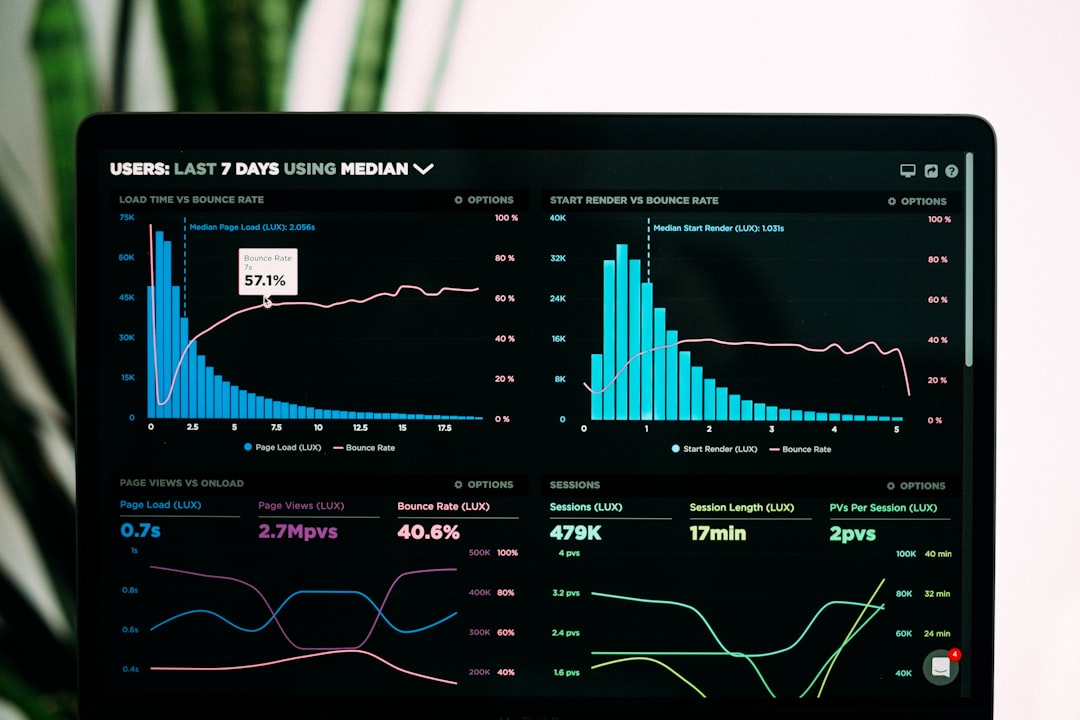
A periodic table needs measurement, or it becomes decoration. Use analytics to connect SEO elements with real outcomes. Track organic clicks, non brand traffic, conversions, revenue, assisted conversions, indexed pages, ranking groups, and engagement quality.
Build dashboards by element group, not just by page. This shows patterns. If many pages rank on page two, content depth and internal links may be weak. If impressions rise but clicks fall, titles and search intent may need work. If rankings hold but conversions drop, UX or offer clarity may be the issue.
How to Use the Table in Real Work
Start with a simple spreadsheet or project board. Create columns for element, group, score, owner, evidence, status, and review date. Keep it visible. Update it after audits, releases, content reviews, and ranking changes.
A useful monthly workflow looks like this:
- Check traffic, conversions, and indexation first.
- Review the highest risk technical elements.
- Identify pages losing clicks or slipping in rank.
- Score fixes by impact, effort, and confidence.
- Assign owners and deadlines.
- Record results after 30, 60, and 90 days.
The best SEO periodic table is not a poster. It is an operating system for search work. It keeps teams honest, focused, and less vulnerable to trend chasing. Treat each element as part of a system, test changes carefully, and keep improving the parts that users and search engines can clearly reward.