 logo
logo




Prioritize creator relevance and audience fit before follower count. A smaller creator with the right audience will usually beat a larger account with weak trust, fake engagement, or content that does not match your offer. Good influencer outreach is not mass emailing. It is a targeted process: define the buyer, find creators who already speak to that buyer, check their quality, then send a clear partnership message.
TLDR: Find creators by audience match, content quality, engagement health, and brand safety, not by follower count alone. For example, a skincare brand may get better results from 12 creators with 15,000 followers each and a 4.5% engagement rate than from one creator with 500,000 followers and weak comments. In one practical outreach plan, sending 60 tailored messages could produce 12 replies, 6 calls, and 3 paid collaborations if the offer is clear. Keep messages short, specific, and easy to answer.
Start with a clear creator brief
Before searching for influencers, write a short brief. This keeps the team honest and prevents random outreach. The brief should explain who you want to reach, what action you want from the audience, and what creator style makes sense.
A useful brief includes:
- Target audience: age, location, interests, income range, buying triggers, and common objections.
- Product fit: what the creator must understand or care about to speak credibly.
- Campaign goal: awareness, sales, app installs, email signups, event attendance, or content production.
- Preferred channels: Instagram, TikTok, YouTube, LinkedIn, podcasts, newsletters, or blogs.
- Budget range: paid fee, gifted product, affiliate commission, or mixed model.
- Deal breakers: unsafe content, competitor work, low-quality production, or inflated engagement.
The goal is not to create a 20-page document. One page is enough. If your team cannot explain the campaign in five plain sentences, creators will not understand it either.
Where to find relevant creators
Start with places where your buyers already spend time. Search platform-native results first. TikTok search, Instagram hashtags, YouTube search, LinkedIn posts, Reddit recommendations, podcast charts, and newsletter directories can all reveal strong creators.
Use specific phrases, not broad terms. A brand selling trail running socks should not only search “fitness influencer.” Better searches include ultra running tips, trail marathon gear, blister prevention running, and mountain running training. These searches reveal creators with sharper authority and a more useful audience.
Check your own data too. Look at customers who tag your brand, people who comment often, creators already using similar products, and affiliates with strong conversion rates. Warm signals save time.
Influencer platforms can help, but do not trust them blindly. Honestly, it feels like some databases make you click through three screens just to confirm a creator’s country, which adds 20 seconds to every profile review. That sounds minor until you check 200 profiles. Use tools for discovery, then verify everything yourself.

How to judge creator quality
Follower count is a weak first filter. It tells you reach, not trust. A better review looks at relevance, engagement, consistency, and audience quality.
Use this simple scorecard:
- Audience match: Do comments and follower signals suggest the right age, location, and interests?
- Content fit: Would your product feel natural in their feed, or forced?
- Engagement quality: Are comments specific, or just “love this” and emoji spam?
- Posting consistency: Have they posted steady content for at least three to six months?
- Creative skill: Can they explain, show, review, entertain, or teach in a way your audience trusts?
- Past partnerships: Are sponsored posts clear, honest, and not overloaded?
- Brand safety: Are there risky statements, fake claims, offensive jokes, or avoidable legal issues?
Engagement rate matters, but context matters more. A 2% rate on YouTube may be solid. A 1% rate on Instagram may be weak for a niche creator. A 7% rate with repetitive bot comments means little. Read the comment section. It drives me crazy that teams skip this step, then act shocked when a campaign gets views but no trust.
Build a focused outreach list
Do not start with thousands of names. Build a shortlist of 50 to 150 creators for a normal campaign. Group them by priority.
- Tier A: best audience fit, strong content, realistic cost, high trust.
- Tier B: good fit, some unknowns, worth testing.
- Tier C: interesting creators, but lower priority or less proven.
Track creator name, channel links, contact email, audience notes, average views, engagement rate, past sponsors, outreach status, reply status, quoted fee, and next step. A spreadsheet is fine. A customer relationship tool is useful if several people manage outreach.
Keep notes specific. “Good creator” is useless. “Gets 25,000 to 40,000 views on meal prep videos, audience asks about budget groceries, has worked with two kitchen brands” is useful.
Write partnership messages that get replies
The best outreach messages are short, personal, and clear. Creators receive bad pitches every week. Many are vague. Many ask for free work. Many praise the creator without proving the sender watched anything.
Your first message should answer four questions fast:
- Why this creator?
- What is the brand?
- What is the partnership idea?
- What is the next step?
Use this structure:
- Subject line: specific and calm. Example: “Paid partnership idea for your trail running gear videos.”
- Personal opener: mention one real post, series, or audience pattern.
- Brand fit: explain why the product suits their content.
- Offer: state paid, gifted, affiliate, or open to rates.
- Ask: request a media kit, rate card, or a 15-minute call.
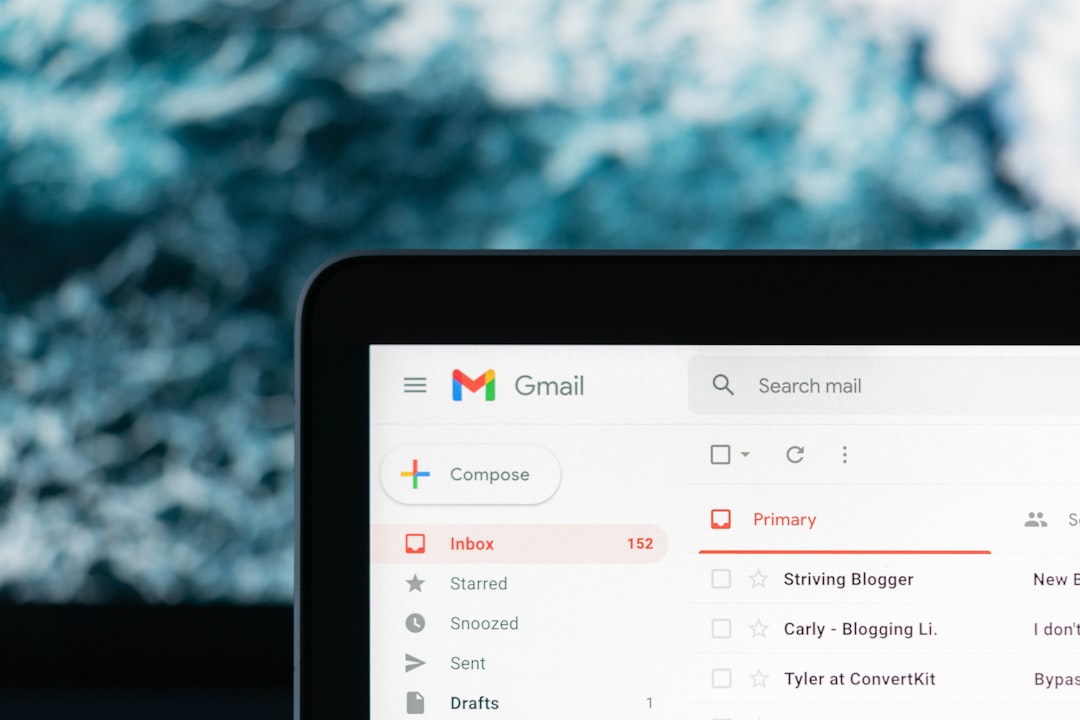
Example outreach message
Subject: Paid partnership idea for your home coffee videos
Hi Maya,
I’m Alex from Northline Coffee. Your recent video comparing hand grinders was useful, especially the part about grind consistency for beginners. The comments also show your audience asks practical buying questions, which fits our product well.
We are planning a paid creator campaign for our compact espresso kit. I think a short demo or honest review could work well with your home setup content.
Would you be open to sharing your rates and media kit? If helpful, I can send a short brief and sample product details first.
Thanks,
Alex
This message works because it is specific. It does not flatter too much. It does not demand a call. It also makes payment clear, which serious creators respect.
Follow up without being annoying
Send one follow-up after three to five business days. Send a second follow-up about one week later if the creator is a strong fit. After that, stop unless they engage.
A simple follow-up works:
Hi Maya, just checking whether this paid partnership idea is of interest. Happy to send details or close the loop if the timing is not right.
Respect silence. Creators may be busy, unavailable, or uninterested. Pushing harder rarely improves the result.
Agree on terms before work starts
Once a creator is interested, confirm the basics in writing. Include deliverables, usage rights, timeline, review process, content approval rules, payment terms, tracking links, discount codes, disclosure requirements, and cancellation terms.
Usage rights need special care. If you want to run the creator’s video as a paid ad, say so. If you want to use the content on your website for six months, say so. These rights often cost extra, and that is fair.
Also make disclosure non-negotiable. Sponsored content should be clearly marked with terms such as ad, sponsored, or the required local wording. Trust suffers when audiences feel misled.
Measure results with the right numbers
Match metrics to the goal. For awareness, track reach, views, watch time, saves, shares, and brand search lift. For sales, track clicks, conversion rate, revenue, discount code use, average order value, and new customer rate.
Do not judge every creator by direct sales alone. Some creators drive research and later purchases. Others produce content you can reuse. Still, every campaign needs a clear scorecard.

Final check before you send
Good influencer outreach is patient, careful work. Find creators who already have audience trust. Review their content by hand. Write messages that show clear fit and respect their time. Then measure what happened, not what you hoped would happen.
If you do this well, your outreach will feel less like cold pitching and more like business development with the right creative partners.