 logo
logo



Organic search should support lead generation by answering buyer questions before a sales call is ever booked. A strong SEO inbound marketing program attracts qualified visitors, earns trust over time, and turns search intent into measurable pipeline instead of short traffic spikes.
TLDR: SEO inbound marketing works best when content is built around buyer intent, not vanity keywords. For example, a B2B software firm that publishes 24 intent-based articles and adds clear demo calls to action could grow organic leads from 80 to 140 per month within 9 to 12 months, a 75% lift. The gains usually compound because old pages can keep ranking, collecting clicks, and feeding sales teams long after publication.
Why organic search fits long-term lead generation
Inbound marketing pulls people in through useful content. SEO gives that content a path to discovery. Together, they help a business meet prospects while they are researching a problem, comparing options, or preparing to buy.
Paid campaigns can create quick activity, but traffic often drops when spending stops. Organic search behaves differently. A page that ranks well can produce visits, form fills, newsletter signups, and demo requests for months or years with careful updates.
The value is not only traffic. It is intent. A visitor searching “best CRM for small accounting firms” is more useful than a random social click. That person has a problem, a category in mind, and a reason to act.
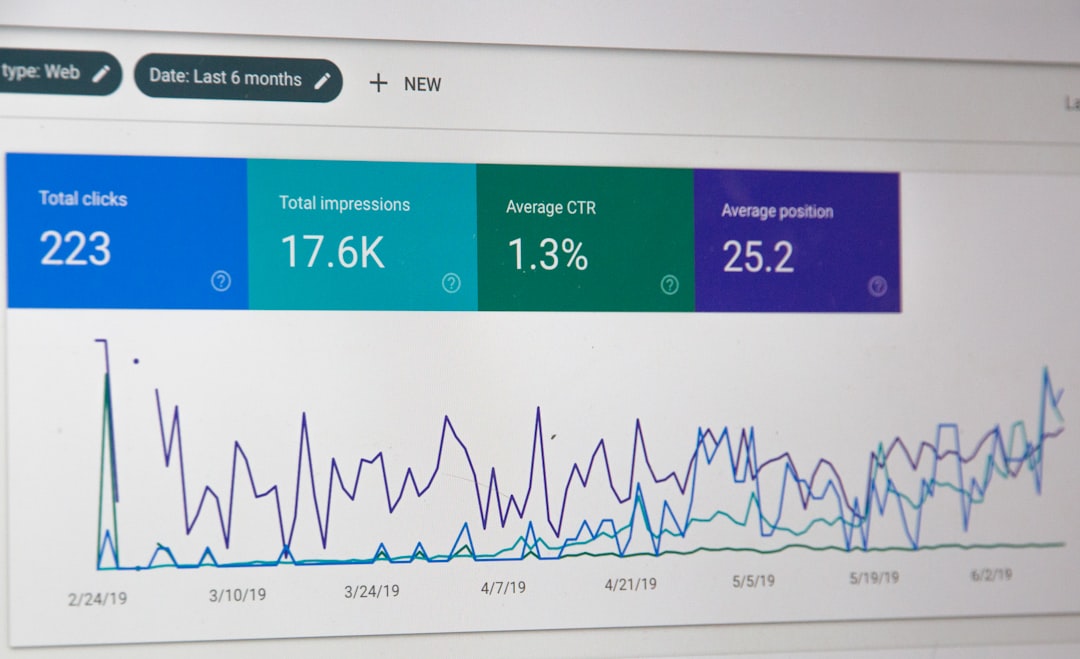
How SEO supports each stage of the inbound funnel
Organic search can serve each stage of the buyer journey. The key is matching content to intent.
- Awareness: Blog posts, guides, and checklists explain a problem. Example: “Why sales teams lose leads after trade shows.”
- Consideration: Comparison pages, templates, and solution guides help prospects review options. Example: “CRM vs spreadsheet lead tracking.”
- Decision: Product pages, case studies, pricing pages, and demos help convert interest into action.
- Retention: Help content and educational articles support current customers and reduce support friction.
This structure keeps SEO from becoming a content mill. It gives every page a job. Some pages attract new readers. Some qualify leads. Some close the gap between interest and a sales conversation.
Search intent matters more than search volume
Many teams chase high-volume keywords because they look attractive in reports. That often creates weak leads. A keyword with 20,000 searches per month may bring visitors who never buy. A keyword with 150 searches per month may bring decision-makers with budget.
Strong SEO inbound marketing focuses on what the searcher wants to do next. Informational searches need education. Commercial searches need proof. Transactional searches need clear offers.
Honestly, it feels like some SEO tools make teams click through six screens just to confirm what the search results already show: intent is visible on the page. If the top results are comparison articles, the content should compare. If the top results are product pages, a blog post will probably struggle.
Building content that earns leads, not just visits
Lead-focused SEO content needs more than keywords. It needs a clear offer and a reason to act. A visitor should not have to guess the next step.
Effective pages often include:
- A clear headline that matches the search query.
- Fast answers near the top of the page.
- Real examples, numbers, or use cases.
- Internal links to related service, product, or case study pages.
- Calls to action such as demos, audits, calculators, templates, or consultations.
- Trust signals like reviews, client counts, certifications, or results.
A software company, for example, may publish a guide about “how to reduce customer churn.” The guide can explain causes, offer benchmarks, and include a churn calculator. A soft call to action could invite readers to download a retention planning template. A stronger call to action could invite qualified readers to book a product demo.

Technical SEO keeps inbound content visible
Great content still needs a clean technical base. Slow pages, broken links, duplicate titles, poor mobile layouts, and messy site structure can limit organic performance.
The core technical checks include:
- Indexing: Important pages must be accessible to search engines.
- Speed: Pages should load quickly, especially on mobile devices.
- Internal linking: Key pages need links from relevant articles and hub pages.
- Schema markup: Structured data can help search engines understand content.
- Clean URLs: Simple URLs are easier for users and search engines to read.
The catch is that technical audits often create huge task lists filled with low-impact fixes. Teams should prioritize issues that affect revenue pages, indexation, site speed, and conversion paths first.
Turning organic visitors into leads
Organic traffic alone is not enough. The conversion system matters. A business needs useful offers for visitors who are not ready to speak with sales yet.
Common SEO lead capture assets include:
- Templates: Budget sheets, planning documents, briefs, and checklists.
- Calculators: ROI, cost savings, churn, or pricing calculators.
- Webinars: Useful for complex B2B sales cycles.
- Email courses: Good for education-heavy products.
- Case studies: Best for decision-stage searches.
Conversion rates vary by sector, but many B2B sites see organic visitor-to-lead rates between 1% and 3%. With stronger intent, better calls to action, and improved landing pages, rates can climb higher. If a site brings in 20,000 organic visits per month, even a 2% conversion rate creates 400 leads.
Measurement should connect SEO to revenue
Rankings are useful, but they are not the finish line. SEO inbound marketing should be measured by outcomes that matter to sales and revenue teams.
Helpful metrics include:
- Organic sessions from target markets.
- Keyword rankings for intent-based terms.
- Lead conversion rate by landing page.
- Marketing-qualified leads from organic search.
- Sales-qualified leads influenced by SEO pages.
- Pipeline value linked to organic landing pages.
- Customer acquisition cost compared with paid channels.
Analytics should also identify which pages assist conversions. A guide may not create a demo request on the first visit, but it may start the relationship. Attribution will never be perfect, which drives many teams a little mad, but patterns still show where SEO supports sales.

How long SEO inbound marketing takes
SEO is not instant. New content may need several months to rank, especially in competitive markets. Established sites can see movement faster. Newer sites often need more time, stronger internal linking, and better authority signals.
A practical timeline may look like this:
- Months 1 to 2: Research, technical fixes, content planning, and page updates.
- Months 3 to 5: New content begins ranking for lower-competition terms.
- Months 6 to 9: Stronger pages gain steady traffic and early leads.
- Months 10 to 12: Compounding results appear through rankings, updates, and internal links.
The best results usually come from consistency. A business that publishes ten pages and stops may see modest gains. A business that builds topic clusters, updates pages, and improves conversion paths can build a reliable lead source.
FAQ
What is SEO inbound marketing?
SEO inbound marketing is the use of search-optimized content to attract prospects, answer their questions, and guide them toward becoming leads or customers.
How does organic search generate leads?
Organic search brings visitors with active intent to content, product pages, landing pages, and lead magnets. Clear calls to action then convert those visitors into contacts, demo requests, or subscribers.
How long does SEO take to produce leads?
Many businesses start seeing early lead growth within 3 to 6 months. Stronger, more stable results often take 6 to 12 months.
Is SEO better than paid ads for lead generation?
SEO and paid ads serve different roles. Paid ads can create quick traffic. SEO builds a longer-lasting source of qualified visitors and can reduce acquisition costs over time.
What content works best for SEO leads?
Comparison pages, problem-solving guides, case studies, templates, calculators, and decision-stage landing pages often work well because they match buyer intent.
How can a company improve SEO lead quality?
It can target specific buyer questions, focus on commercial intent, add stronger calls to action, use qualification forms, and connect analytics data with sales outcomes.