 logo
logo



A professional waste water removal provider should show up fast, keep your site safe, remove the waste legally, and leave you with clear proof of disposal. That is the simple version. If they cannot explain where the waste goes, what it costs, and how they protect your property, keep asking questions.
TLDR: A good provider inspects the site, pumps out the waste, hauls it to an approved facility, and gives you paperwork. For example, a small restaurant with a blocked grease trap may need 500 gallons removed in under 2 hours to reopen safely. Many providers offer same-day service, and routine maintenance can cut emergency callouts by 30% to 50%. Expect clear pricing, trained staff, and no mystery sludge games.
What Counts as Waste Water?
Waste water is water that has been used and is no longer clean. It may come from homes, factories, farms, restaurants, or construction sites.
Common types include:
- Sewage water from toilets and drains.
- Grey water from sinks, showers, and laundry.
- Industrial water from production or cleaning work.
- Storm water mixed with mud, oil, or debris.
- Grease trap waste from food businesses.
- Septic tank waste from homes or rural sites.
Some of it smells bad. Some of it is risky. Some of it is both. That is why the right team matters.

First Step: A Site Check
A professional provider should not guess. They should inspect the site first. This may be done in person or by asking for photos, tank size, and access details.
They will check:
- Where the waste water is located.
- How much needs to be removed.
- What type of waste it is.
- How easy it is to reach.
- Whether the area is safe.
- If permits or special handling are needed.
This step saves time. It also avoids a nasty surprise when the truck arrives and cannot reach the tank. Honestly, that kind of mess is more common than it should be.
The Right Equipment Should Arrive
A proper waste water removal company uses more than a bucket and a brave attitude. They bring the right tools.
You may see:
- Vacuum trucks for sucking up large volumes.
- Pumps for basements, pits, and tanks.
- Long hoses for hard-to-reach areas.
- Safety gear for workers.
- Spill kits in case something leaks.
- Testing tools for hazardous waste.
The crew should set up with care. Hoses should not block doorways without warning. Vehicles should not crush lawns unless you agreed to that. Small details matter.
Safe Removal Comes First
Waste water can carry bacteria, chemicals, oil, grease, and sharp debris. Do not treat it like dirty bath water. It can make people sick.
A professional crew should wear gloves, boots, eye protection, and other safety gear. They should also keep children, pets, and staff away from the work area.
If the waste is hazardous, they may need extra steps. This can include testing, sealed containers, and special transport rules. The provider should explain this in plain English.
If they shrug and say, “We just dump it somewhere,” that is your cue to end the call.
Legal Disposal Is Not Optional
This is the big one. Waste water must go to an approved treatment plant or disposal facility. It should not end up in a ditch, field, storm drain, or random hole behind a shed.
A trustworthy provider will give you records. These may include:
- A waste transfer note.
- A disposal receipt.
- Volume removed.
- Date and time of service.
- Disposal site details.
- Any test results, if needed.
Keep these records. If there is ever a complaint or inspection, they help prove you handled the waste correctly.
Image not found in postmetaClear Pricing, Please
Pricing should not feel like a magic trick. Ask for a written quote before work starts.
Costs may depend on:
- Amount of waste water.
- Type of waste.
- Distance to the disposal site.
- Urgency of the job.
- Access problems.
- Testing or permit needs.
Some companies charge by the gallon. Others charge by the hour or by truck load. Emergency work often costs more.
It drives people nuts when a quote says “service fee” and nothing else. Ask what that fee covers. Ask if there are extra charges for hose length, waiting time, night work, or blocked access.
Emergency Service: What to Expect
Waste water problems do not wait politely. A tank overflows. A basement floods. A grease trap backs up during lunch rush. Great timing, right?
A good emergency provider should ask quick questions and send help fast.
They may ask:
- Is the water still rising?
- Is sewage involved?
- Is power nearby?
- Are people exposed?
- Is the site commercial or residential?
- Can a truck get close?
While you wait, keep people away from the water. Turn off water flow if safe. Do not step into flood water near electricity. That is not heroic. That is a bad afternoon.
Routine Maintenance Saves Money
Many waste water problems are not sudden. They build up slowly. Grease thickens. Sludge settles. Drains slow down. Then, one day, everything gives up.
Routine removal helps prevent this.
Useful service schedules include:
- Restaurants: grease trap cleaning every 1 to 3 months.
- Septic tanks: pumping every 3 to 5 years for many homes.
- Construction sites: removal as tanks or pits fill.
- Industrial sites: planned service based on waste volume.
Your provider should help build a schedule. Not too often. Not too late. Just right.
Signs You Need Waste Water Removal
Call a provider if you see warning signs. Do not wait until the smell enters your dreams.
- Drains gurgle or back up.
- Water pools near tanks or drains.
- There is a strong sewage smell.
- Grease traps overflow.
- Yard areas become soggy for no clear reason.
- Basement water looks dirty or oily.
- Production waste tanks are close to full.
Early calls are cheaper. Late calls are louder, wetter, and much less fun.
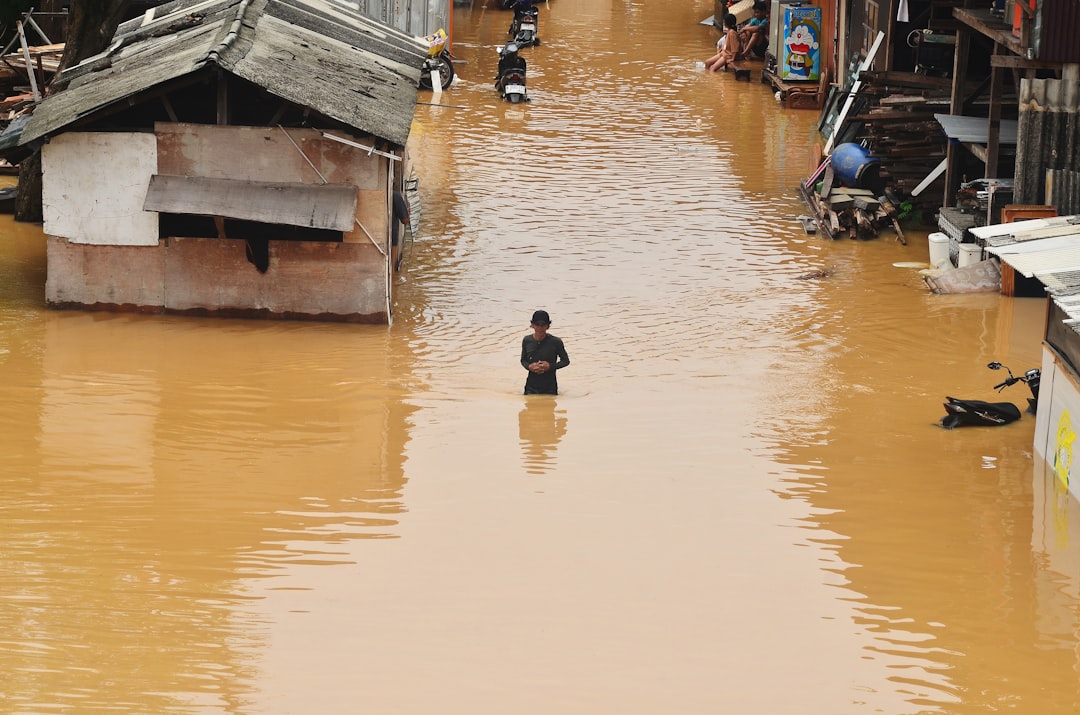
How to Pick a Good Provider
Choose a company that can prove what it does. Friendly is nice. Licensed and insured is better.
Ask these questions:
- Are you licensed for this type of waste?
- Do you carry insurance?
- Where will the waste be taken?
- Will I get disposal records?
- How soon can you arrive?
- What is included in the price?
- What happens if you find hazardous material?
Good providers answer clearly. Bad ones dodge. If the answers feel slippery, trust that feeling.
What the Visit Usually Looks Like
Most jobs follow a simple flow.
- Arrival: The crew checks access and confirms the job.
- Setup: They place hoses, cones, and safety gear.
- Pumping: Waste water is removed into a sealed truck or tank.
- Inspection: They may check for leftover sludge or blockages.
- Cleanup: The area is rinsed or made safe.
- Transport: Waste is taken to an approved site.
- Paperwork: You get proof of service and disposal.
The best crews work neatly. They explain what they are doing. They do not leave you staring at a wet patch and a bill with three mystery charges.
Final Tips Before You Book
Take photos before the provider arrives. Note smells, leaks, and water levels. Clear a path for the truck if possible. Move cars, bins, and outdoor furniture.
Tell the company what is in the water if you know. Paint, oil, chemicals, food waste, sewage, and cleaning products all matter.
A professional waste water removal service should make a gross problem feel manageable. You may still have sludge. You may still make a face. But you should also have a safe site, proper disposal, and paperwork that makes sense.
