 logo
logo


Use Seeking Alpha data only when you need its research layer: author opinions, earnings coverage, ratings, transcripts, article metadata, and investor sentiment. For clean prices, fundamentals, news feeds, and institutional-grade data, pair it with a dedicated market data provider instead of forcing one tool to do everything.
TLDR: Seeking Alpha APIs are most useful for research intelligence, not as a full replacement for market data platforms. For example, a fintech app tracking 750 U.S. stocks might use Seeking Alpha-style data for article sentiment and earnings commentary, then use Polygon, Finnhub, or Intrinio for quotes, fundamentals, and corporate actions. A practical split could cut noisy research review time by 30% while keeping price updates closer to real time. If your product needs analyst tone, author history, and earnings recap signals, Seeking Alpha data can be valuable; if you need tick-level accuracy, it is not the main answer.
What a Seeking Alpha API is usually used for
Seeking Alpha is best known for investment articles, contributor analysis, earnings call transcripts, quant ratings, factor grades, dividend coverage, and stock-specific opinion streams. That makes its data useful for products that ask, “What are investors saying, and why?” rather than only, “What is the latest price?”
Depending on access method and licensing, Seeking Alpha-style data may include:
- Article headlines and summaries tied to tickers.
- Author metadata, including contributor history and coverage areas.
- Stock ratings, such as bullish, neutral, or bearish calls.
- Quant ratings and factor grades for valuation, growth, profitability, momentum, and EPS revisions.
- Earnings call transcripts and management commentary.
- Dividend analysis, payout history, and income-focused coverage.
- News and market commentary for stocks, ETFs, and sectors.
The catch is that many teams expect a simple public API with broad commercial rights, perfect uptime, and no licensing headaches. That is rarely how premium research content works. Access may depend on commercial agreements, third-party vendors, or approved data partnerships.
Seeking Alpha data vs standard market data
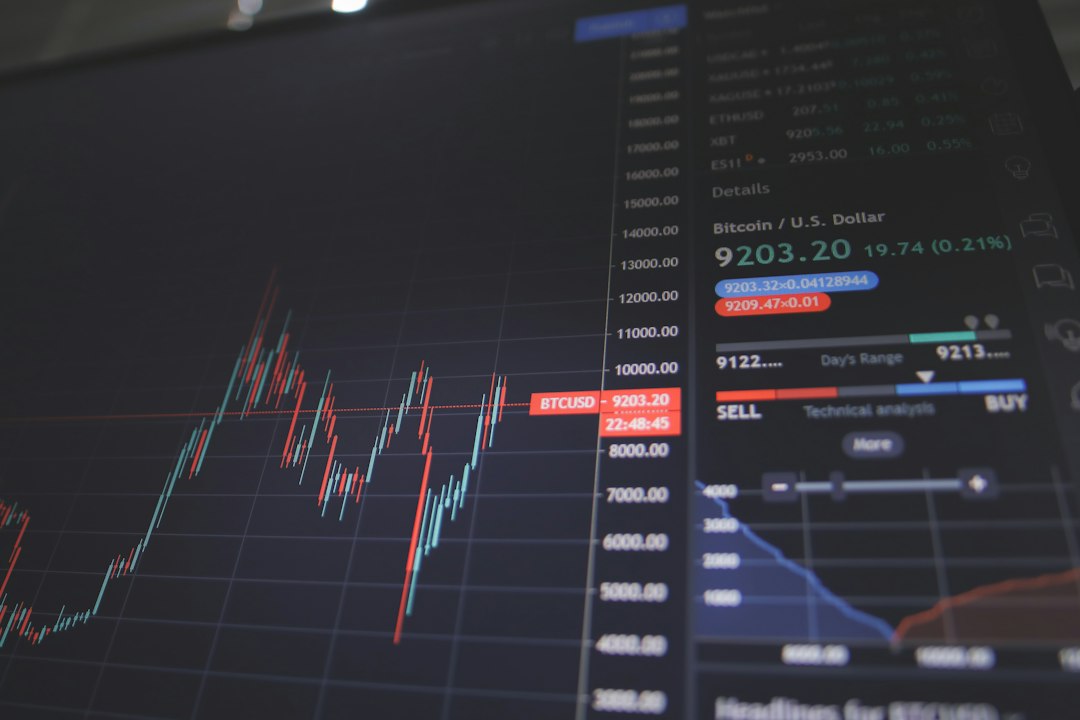
Market data APIs usually focus on structured facts. Think prices, candles, splits, dividends, financial statements, options chains, exchange data, and SEC filings. Seeking Alpha is different. Its strength sits closer to interpretation.
That difference matters. A trading app that needs one-minute bars for 5,000 symbols should not rely on a research feed as its core data pipe. A stock discovery app that ranks companies based on sentiment shifts, earnings commentary, and analyst disagreement might get real value from Seeking Alpha data.
| Data Need | Seeking Alpha Data | Market Data API |
|---|---|---|
| Investor opinion | Strong | Limited |
| Real-time price feeds | Not the main use | Strong |
| Earnings transcripts | Strong | Varies |
| Financial statements | Useful context | Usually stronger |
| Sentiment analysis | Strong source material | Depends on provider |
Where Seeking Alpha-style APIs shine
The best use case is research enrichment. If you already have prices and fundamentals, Seeking Alpha data can add a human layer. This is useful for stock screeners, portfolio tools, wealth dashboards, and AI research assistants.
For instance, imagine a portfolio platform serving 20,000 retail investors. Users hold an average of 18 stocks. Instead of showing only price change and P/E ratios, the app can surface article tone, recent earnings transcript highlights, and rating changes. That gives users a faster way to understand why a position moved 7% after earnings.
It also helps with alerting. A basic alert says, “Stock XYZ is down 5%.” A richer alert says, “Stock XYZ is down 5%; recent commentary points to margin pressure and reduced guidance.” That second version is much more useful.
The annoying parts teams should expect
Honestly, it feels like research data always comes with more cleanup than expected. Article titles may be easy to parse, but tone, context, ticker mapping, paywall status, contributor bias, and duplicate coverage can create extra work. A sentiment engine may label an article as positive, while the author is actually warning about valuation risk in paragraph seven.
Expect to spend time on:
- Ticker mapping: one article may mention several stocks.
- Entity recognition: company names, tickers, ETFs, and sectors can overlap.
- Licensing checks: redistribution rights are not automatic.
- Rate limits: bulk research pulls may need planning.
- Latency expectations: research content is not the same as exchange data.
- Paywalled content rules: summaries, snippets, and full text may have different permissions.
This is not a reason to skip it. It is a reason to design around it early.
Top Financial Research and Market Data Alternatives
Polygon.io is a strong choice for U.S. equities, options, forex, and crypto data. It is built for developers and performs well when speed and clean endpoints matter. It is better than Seeking Alpha for price history, aggregates, and real-time market feeds.
Finnhub offers market data, company fundamentals, analyst estimates, earnings, news, and alternative data. It is a flexible option for startups that want several data types from one vendor. Its news and sentiment tools can support some research workflows, though the editorial depth is different.
Intrinio is popular for fundamentals, financial statements, options, analyst estimates, and economic data. It is often a good fit for serious financial applications that need structured company data. It is less about opinion and more about clean datasets.
Financial Modeling Prep is accessible and broad. It covers statements, ratios, DCF data, earnings calendars, news, and stock prices. It is common in retail-facing apps, spreadsheets, and prototypes. Quality can vary by endpoint, so testing is needed before production use.
Alpha Vantage is easy to start with and has a generous entry point. It covers equities, forex, crypto, indicators, and fundamentals. It is good for prototypes and light usage, but heavy commercial apps often outgrow it.
Nasdaq Data Link, formerly Quandl, is useful for economic, alternative, and specialty datasets. It is not a single all-purpose stock API. It works well when you need niche datasets for research models.
Refinitiv, Bloomberg, FactSet, and S&P Capital IQ sit at the enterprise end. They are expensive, but they offer deep coverage, strong licensing support, and tools built for institutions. They are the right fit when compliance, global coverage, and support matter more than low cost.
How to choose the right mix
Start with the product question. If users ask, “What happened to the stock?”, choose a market data API first. If they ask, “What does the market think about the stock?”, add research data.
A common stack looks like this:
- Prices and candles: Polygon or Finnhub.
- Fundamentals: Intrinio or Financial Modeling Prep.
- Filings: SEC EDGAR plus a parsing provider.
- Research and commentary: Seeking Alpha-style data.
- Enterprise validation: Bloomberg, FactSet, or Refinitiv.
For AI products, the best setup often combines structured and unstructured data. Use fundamentals for facts. Use transcripts and articles for narrative. Then add citations so users can verify claims. Without citations, finance AI becomes risky very quickly.

Pricing and licensing considerations
Pricing differs wildly. A small developer plan may cost under $100 per month. A serious commercial plan can reach thousands per month. Enterprise research and terminal data can cost far more.
Do not compare vendors only by endpoint count. Ask sharper questions:
- Can you show the data inside a paid app?
- Can you store historical records?
- Can you train models on the text?
- Are summaries allowed?
- Is redistribution permitted?
- What happens if a user exports the data?
These details can change the entire cost model. A cheap API with weak rights can become expensive legal trouble.
Best fit by user type
Retail investing apps should use Seeking Alpha data for context and another API for prices. Users want quick explanations, not raw feeds.
Quant teams should treat research content as an alternative dataset. Backtest it carefully. Watch for survivorship bias, publication timing, and ticker changes.
Wealth platforms can use research signals to brief advisors before client calls. A 60-second stock summary can save time when portfolios hold dozens of names.
Media and content products can use article metadata and trending tickers to spot what investors care about. Full-text use still needs proper rights.
Bottom line
Seeking Alpha data is not a direct replacement for Polygon, Finnhub, Intrinio, or Bloomberg. It is a research layer that adds opinion, context, and investor sentiment to the hard numbers. The smartest setup is usually a blend: market data for facts, research data for meaning, and strict licensing rules for safety.
If your product needs fast quotes, start with a market data API. If it needs better stock explanations, Seeking Alpha-style data may be exactly the missing piece.