 logo
logo



Base44 is usually the better pick if you want a ready-to-use business app with less setup, while Lovable is stronger if you want cleaner control over a web app’s code, UI, and developer workflow. Both tools turn plain English prompts into working software, but they feel built for different people. Base44 aims at founders, operators, and small teams who want an app now. Lovable feels closer to an AI coding partner for product builders who care about structure, React, Supabase, and GitHub.
TLDR: Base44 is best for launching internal tools, portals, dashboards, and MVPs with built-in hosting, database, authentication, and workflows. Lovable is best for web apps where you want more design control, code ownership, and room to polish the frontend. For example, a team building a simple client portal could get a Base44 version live in one afternoon, while a Lovable version may take 30% longer but offer better control for future edits. If you care more about speed than code, choose Base44; if you care more about flexibility, choose Lovable.
What Base44 and Lovable Actually Do
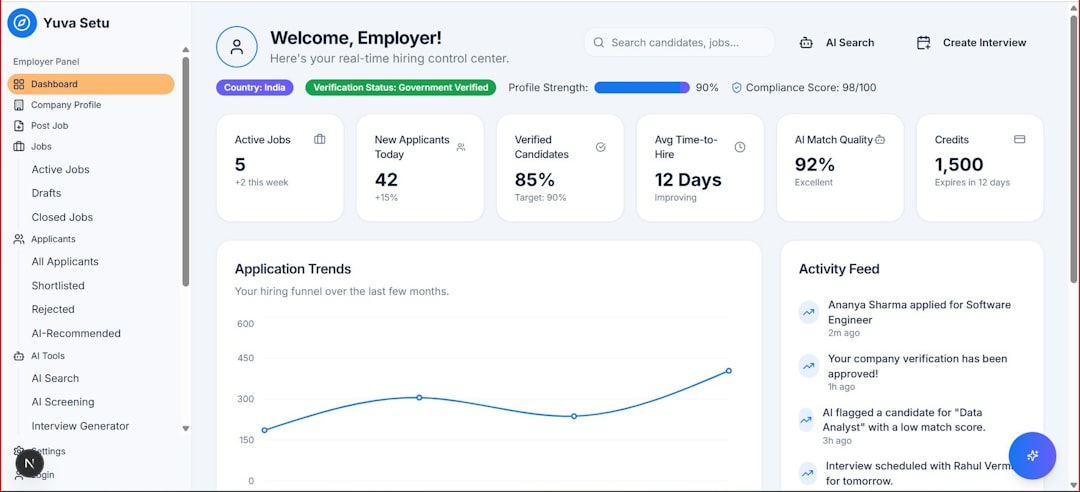
Base44 is an AI app builder that creates full-stack applications from text prompts. You describe the app, and it generates screens, database collections, user roles, forms, dashboards, and logic. It also handles deployment, so you do not need to wire together five separate services just to show a working prototype.
Lovable also builds apps from prompts, but it feels more like a no-code and low-code bridge. It commonly generates React-based interfaces and can connect with services like Supabase for backend features. You can refine the app through chat, inspect the structure, and push changes toward a more developer-friendly workflow.
The short version: Base44 tries to remove technical decisions. Lovable gives you more room to shape them.
Base44: Best for Fast Business Apps
Base44’s biggest strength is how much it bundles into one place. You can ask it to create a booking system, CRM, inventory tracker, employee portal, or marketplace-style MVP. It then builds the main screens and data structure without making you choose a database provider, auth service, or hosting stack.
That matters. Many no-code AI tools generate a pretty front end, then leave you stuck when you need roles, permissions, or real data. Base44 is more practical. It is good at turning a rough business process into something usable.
Good uses for Base44 include:
- Internal admin panels
- Client portals
- Inventory and order tracking tools
- Lightweight CRMs
- Project management apps
- Service booking apps
- Early MVPs for nontechnical founders
The catch is that Base44 can feel boxed in when you want pixel-perfect control. You may spend extra time asking the AI to adjust layout spacing, colors, or component behavior. Some edits that would take a developer 20 seconds in code can take several prompt attempts. That gets annoying when you are polishing a landing page or custom user flow.
Lovable: Better for Product Builders and Frontend Control
Lovable shines when you want an AI tool that feels closer to software development. It is especially strong for web apps with polished interfaces. You can prompt it to create pages, components, forms, onboarding flows, dashboards, and marketing-style screens. Then you can keep refining the app through follow-up requests.
Its biggest advantage is that it plays better with a developer mindset. If you want to review code, connect to GitHub, work with Supabase, or hand the project to a technical cofounder later, Lovable is often the safer choice.
Lovable is a strong fit for:
- SaaS MVPs
- AI wrappers and productivity tools
- Customer-facing web apps
- Landing pages with app functionality
- Apps that need clean UI design
- Projects that may later need developers
Honestly, it feels like Lovable asks more from the user. You need to understand what you are asking for. If you are vague, the app can drift. One prompt may add a feature but quietly break spacing or change a previous behavior. Expect to waste time on small corrections if your prompt strategy is sloppy.
Base44 vs Lovable: Feature Comparison
| Category | Base44 | Lovable |
|---|---|---|
| Best for | Business apps and internal tools | Web apps and SaaS prototypes |
| Ease of use | Very beginner friendly | Friendly, but better with technical thinking |
| Backend setup | More built in | Often paired with services like Supabase |
| Design control | Good, but less flexible | Stronger for custom UI |
| Code access | Less central to the experience | More useful for developer handoff |
| Speed to first app | Very fast | Fast, but more tuning may be needed |
Which One Builds Better MVPs?
For MVPs, the answer depends on what kind of MVP you mean.
If your MVP is meant to prove an operational workflow, choose Base44. Say you run a cleaning company and want a portal for bookings, staff assignments, invoices, and customer notes. Base44 can produce something useful quickly because the app is mostly data, roles, and screens.
If your MVP is meant to attract users, investors, or early customers with a slick interface, choose Lovable. Say you are building a habit-tracking SaaS with onboarding, charts, user settings, and a polished dashboard. Lovable will likely give you a better base for a real product experience.
Base44 gets you from idea to working app faster. Lovable gets you closer to a product that can be improved like normal software.
Where Each Tool Gets Frustrating
Base44 frustrations:
- Fine visual edits can take too many prompt cycles.
- Advanced custom logic may feel limited.
- You may outgrow the platform if your app becomes complex.
- It can be hard to think beyond the built-in structure.
Lovable frustrations:
- It rewards users who understand product architecture.
- Prompting must be specific, or results can wander.
- Backend setup can still require technical comfort.
- AI edits may create small regressions in existing screens.
Neither tool removes product thinking. They remove much of the blank-page pain. You still need to define users, data, permissions, actions, and success states. Bad instructions still create bad apps, just faster.

Pricing and Value
Pricing changes often in the AI app builder space, so the better question is value. Base44 gives strong value when you would otherwise pay for a no-code stack with separate database, authentication, and hosting tools. It can also cut the cost of validating an internal workflow.
Lovable gives value when it saves developer hours. If a frontend developer normally needs two days to scaffold an MVP interface, Lovable may reduce that to a few hours. The savings are real, but only if someone can review and guide the output.
Who Should Choose Base44?
Choose Base44 if you want:
- A working app without technical setup
- Built-in backend features
- Fast creation of business tools
- Simple deployment
- Less concern about owning the code
Base44 is ideal for nontechnical founders, agencies building quick internal systems, consultants, and operations teams. It is also useful when the first goal is proof, not perfection.
Who Should Choose Lovable?
Choose Lovable if you want:
- More control over UI and frontend design
- A better path toward production code
- GitHub-friendly workflows
- Supabase-style backend options
- An MVP that developers can improve later
Lovable suits startup founders, indie hackers, designers, and technical product managers. It is also a good pick for teams that want AI speed without giving up the option to build on top of real code.
Final Verdict
Base44 wins for speed, simplicity, and complete business apps. It is the easier tool when you want something useful by the end of the day. Lovable wins for control, polish, and long-term product potential. It asks for more judgment, but it gives you more room to grow.
If you are building an internal tool, start with Base44. If you are building a public SaaS or customer-facing app, start with Lovable. If you are unsure, ask one simple question: do you need a working workflow first, or a product foundation you can keep improving? That answer usually makes the choice obvious.