 logo
logo



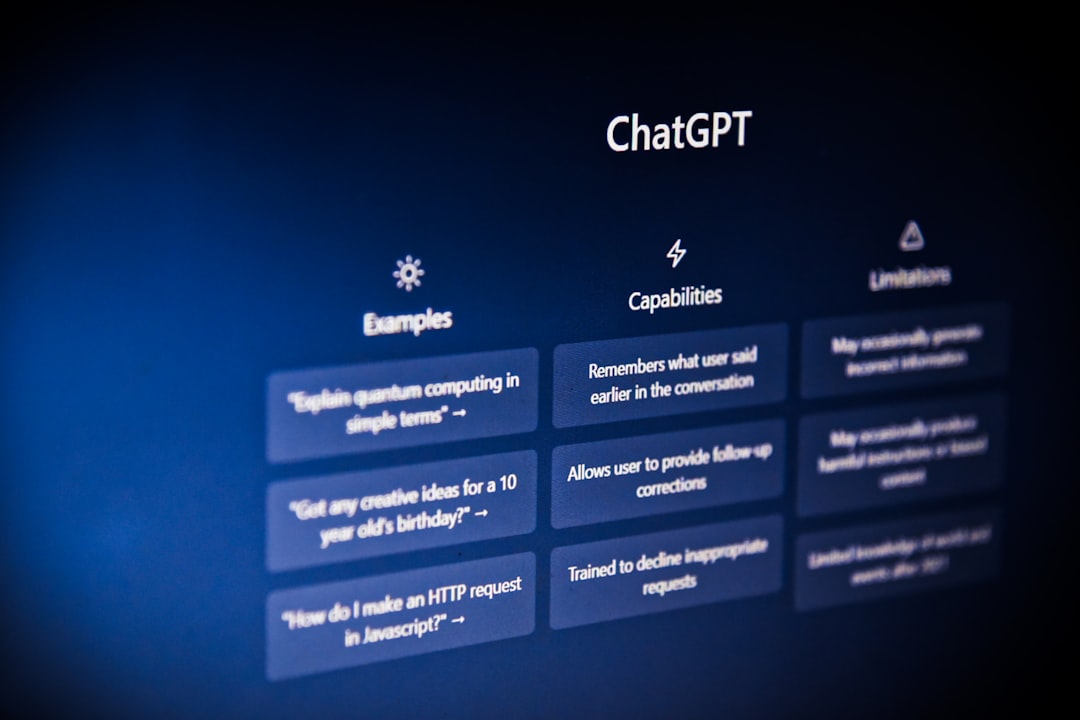
Use Semrush to fix what AI can find, and use Brandwatch to hear what real people say about you. That is the simple answer. If you want your brand to show up in ChatGPT, Perplexity, Gemini, and other AI answer tools, you need both clean web signals and loud human proof.
TLDR: Semrush is better for SEO, content gaps, keyword rankings, backlinks, and pages that AI tools may pull from. Brandwatch is better for social mentions, sentiment, trends, and brand conversations. For example, a SaaS brand might use Semrush to raise 20 comparison pages from page 3 to page 1, then use Brandwatch to track a 35% jump in positive Reddit and X mentions. Together, they help ChatGPT “understand” that your brand exists, what it does, and why people trust it.
Why ChatGPT visibility is not normal SEO
Old SEO was simple-ish. Rank on Google. Get clicks. Sell things. Nice.
AI search is weirder. ChatGPT does not always show ten blue links. It often gives one clean answer. Sometimes it cites sources. Sometimes it does not. Sometimes your brand is in the answer. Sometimes your competitor gets all the glory. Annoying? Yes. Fixable? Also yes.
AI tools tend to favor brands that are:
- Easy to understand
- Mentioned often across trusted sites
- Linked to from useful content
- Discussed by real people
- Consistent in name, category, pricing, and claims
So your goal is not just “rank higher.” Your goal is to become an obvious answer.

What Semrush does best
Semrush is your AI visibility toolbox for the open web. It helps you see what people search for, which pages rank, who links to whom, and where your content is thin.
For ChatGPT visibility, Semrush helps you build the pages that AI tools can read, compare, and quote. Think guides, product pages, comparison pages, FAQs, stats pages, and “best tools for” articles.
Semrush is useful for:
- Keyword research: Find questions your buyers ask.
- Competitor analysis: See where rivals win.
- Content gaps: Spot topics you forgot to cover.
- Backlink tracking: Find trusted sites linking to your space.
- Rank tracking: Watch your pages move up or down.
- Technical audits: Fix crawl issues, slow pages, and broken links.
Honestly, it feels like Semrush was built for people who enjoy 47 tabs. The data is rich. The menus can feel busy. Expect to spend time setting it up well. But once it is set, it becomes a map of where your brand is weak online.
How Semrush helps you show up in ChatGPT
ChatGPT and similar tools need clear facts. Semrush helps you create and improve those facts on your own site and across search results.
Here is a simple play:
- Find 30 buyer questions with Semrush.
- Create clear pages that answer each question.
- Add prices, features, use cases, and proof.
- Build internal links between related pages.
- Earn links from trusted blogs, review sites, and media.
- Refresh pages every 60 to 90 days.
Example: A project management app wants to appear when someone asks ChatGPT, “What are good tools for remote product teams?” Semrush can show that competitors rank for “remote team project management,” “async sprint planning,” and “product roadmap tools.” Your brand can then build pages around those terms. Simple. Boring. Effective.
What Brandwatch does best
Brandwatch is your radar for public conversation. It tracks social posts, news, blogs, forums, reviews, and sentiment. It tells you what people say when your brand is not in the room.
This matters because AI answers are not built from your website alone. They are shaped by the wider web. If people constantly call your product “easy,” “cheap,” or “buggy,” those words can become part of your brand story.
Brandwatch is useful for:
- Sentiment tracking: See positive, neutral, and negative mentions.
- Trend spotting: Catch rising topics early.
- Audience research: Learn how customers describe problems.
- Competitor buzz: Compare share of voice.
- Crisis alerts: Find bad chatter before it grows teeth.
- Campaign tracking: Measure if people actually noticed.
It drives me crazy that social data can be messy. Sarcasm breaks sentiment tools. Spam sneaks in. A joke can look like a complaint. Still, Brandwatch is great for spotting patterns you would miss by staring at rankings all day.
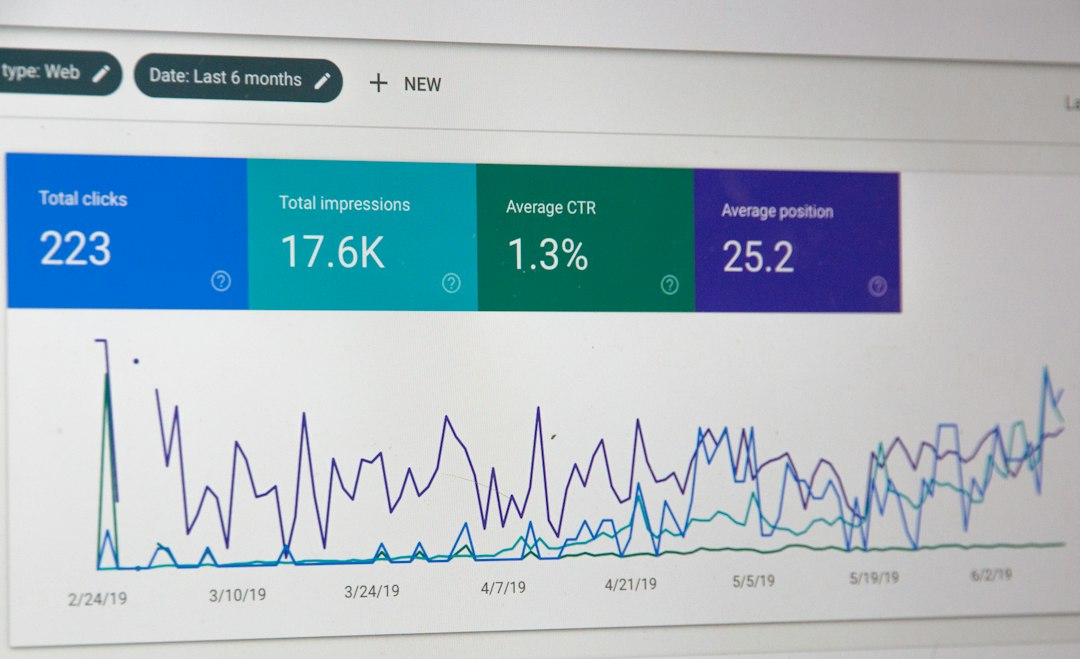
How Brandwatch helps you appear in AI answers
Brandwatch helps you shape demand and reputation. That affects AI visibility in a softer, but very real, way.
If your brand is talked about often in trusted communities, AI tools are more likely to see it as relevant. If your category language matches how buyers speak, your content feels more natural. If bad claims spread, you can fix them before they become “common knowledge.”
Here is a simple use case.
A skincare brand finds through Brandwatch that 62% of social mentions around “sensitive skin serum” include the phrase “no burning.” Their website says “advanced dermal comfort technology.” Cute. Useless. They update content to say “serum for sensitive skin that does not burn.” They also answer that phrase in FAQs, ads, and review replies. Within three months, branded search grows 18%, and AI answers start pairing the brand with “sensitive skin.”
Semrush vs Brandwatch: the plain answer
| Need | Best tool | Why |
|---|---|---|
| Find search topics | Semrush | It shows keywords, rankings, and gaps. |
| Track social buzz | Brandwatch | It tracks mentions and sentiment. |
| Improve website pages | Semrush | It finds SEO and content issues. |
| Understand customer language | Brandwatch | It shows how people really talk. |
| Build AI search authority | Both | You need strong pages and strong mentions. |
The best workflow for AI search visibility
Do not pick tools first. Pick questions first.
Start with these:
- What should ChatGPT say about us?
- Which competitors appear instead?
- What proof makes us credible?
- Where are people already talking about this problem?
- Which sources would an AI answer trust?
Then use Semrush and Brandwatch together.
- Audit your current visibility. Ask ChatGPT, Perplexity, and Gemini 20 buyer questions. Record which brands appear.
- Use Semrush to find gaps. Check if those topics exist on your site. If not, build them.
- Use Brandwatch to mine language. Pull real phrases from customers, reviews, Reddit, and social posts.
- Update your content. Use plain words. Add comparisons. Add examples. Add proof.
- Grow trusted mentions. Pitch podcasts, expert lists, review sites, and industry blogs.
- Measure monthly. Track rankings, links, mentions, sentiment, and AI answer appearances.

What to measure
AI visibility can feel fluffy. Make it less fluffy. Track numbers.
- AI answer share: Out of 50 target prompts, how often does your brand appear?
- Source presence: How often do your pages or mentions appear in cited sources?
- Share of voice: Are you gaining mentions against competitors?
- Sentiment: Are positive mentions rising?
- Ranking growth: Are key pages moving into the top 10?
- Branded search: Are more people searching your name?
A healthy goal might look like this: move from appearing in 4 out of 50 AI prompts to 15 out of 50 in six months. Raise positive sentiment from 48% to 60%. Add 25 quality referring domains. Publish 20 strong answer pages. Not magic. Just steady work.
Which tool should you choose?
Choose Semrush if your site is thin, your rankings are weak, or competitors own the search results. It gives you the clearest path to better pages and stronger web authority.
Choose Brandwatch if people talk about your category a lot, but you do not know what they say. It is also better if reputation, social buzz, and trend timing matter to your brand.
Choose both if AI visibility is a serious growth channel. Semrush helps you become findable. Brandwatch helps you become talked about. ChatGPT visibility needs both signals.
Final take
Semrush builds the evidence. Brandwatch reads the room. That is the real difference.
If you want ChatGPT to mention your brand, do not wait for the robot to “discover” you. Make your brand painfully clear. Publish useful pages. Earn trusted mentions. Use the words your customers use. Watch what people say. Fix the gaps. Repeat every month.
AI search rewards brands that are easy to explain. So make your brand easy to explain.