 logo
logo




The audio jack, once a ubiquitous feature in electronic devices, has journeyed through decades of technological evolution. From its 19th-century telephony origins to its common use in Walkmans and smartphones, and now its gradual disappearance in favor of wireless connectivity and dongle-based solutions—its story offers a glimpse into how innovation and market forces shape consumer electronics.
TLDR: The 3.5mm audio jack originated in the late 1800s as a solution for connecting telephone operators. Over the 20th century, it evolved into the default connector for headphones and music devices. However, technological trends like miniaturization and wireless audio have led to its decline, with many modern devices relying on USB-C, Lightning ports, or Bluetooth. This shift, though controversial, reflects broader changes in how we consume audio today.
The Beginnings: 19th-Century Telephony
The origin of the audio jack dates back to the late 1800s during the infancy of telecommunication. Known initially as the 1/4-inch (6.35mm) jack, it was invented for telephone switchboards to help operators connect calls by manually plugging cables into a jack panel. This format was practical, durable, and had a solid mechanical design. The simple mono signal it carried was enough for voice communication at the time.
- 1878: First uses of jack connections in telephone switchboards.
- Mono Only: Originally only supported single-channel audio.
- Functionality First: Designed for durability and ease of use.
The Rise of Stereo and the 3.5mm Jack
As consumer audio devices developed through the 20th century, the need for stereo audio and smaller connectors became apparent. Enter the 3.5mm (1/8-inch) audio jack—a miniaturized version of the 1/4-inch jack. It gained popularity during the 1960s and 1970s, largely due to the growth of personal listening devices like the Sony Walkman, which debuted in 1979.
Unlike its predecessor, the 3.5mm jack could be used in increasingly compact devices while still delivering stereo sound. It became the de facto connector for wired headphones, portable music players, and later, mobile phones.
- 1960s–1970s: Introduction of the 3.5mm format.
- 1979: The Sony Walkman popularizes personal audio and the mini jack.
- Stereo Output: Added support for left and right audio channels.

Universal Adoption Across Devices
During the 1990s and 2000s, the 3.5mm jack became more than just a headphone connector; it was a universal standard. You could find it in laptops, camcorders, gaming consoles, portable DVD players, MP3 players, and nearly every phone and radio. It was valued for its simplicity, plug-and-play functionality, and robust compatibility. Manufacturers across the tech spectrum embraced it, and consumers appreciated its reliability.
The robustness and adaptability of the 3.5mm jack made it a symbol of audio reliability. Whether you had premium over-ear headphones or a set of cheap earbuds, the same jack worked across brands and nations without drivers or special software. It was truly a universal audio interface.
The Smartphone Era: Audio Jack Goes Mobile
With the explosion of smartphones in the late 2000s, the 3.5mm jack remained a constant hardware element in mobile devices. Phones like the iPhone 3GS, Samsung Galaxy S-series, and HTC models all included standard headphone jacks. Consumers could seamlessly use their favorite headphones across different devices, from music players to laptops to phones.
However, around the mid-2010s, this started to change. Growing smartphone complexity, slimming designs, and internal component trade-offs challenged the permanence of the audio jack.
Apple and the Turning Point
When Apple announced in 2016 that its iPhone 7 would drop the headphone jack in favor of its proprietary Lightning port, the backlash was considerable. Many users and tech critics considered this a move primarily aimed at increasing accessory sales and limiting user choice. Nonetheless, Apple justified the decision by citing space savings and the potential for improved water resistance and digital audio quality.
- iPhone 7 (2016): Marked the first major smartphone to remove the headphone jack.
- Dongle Requirement: Users needed an adapter to use traditional 3.5mm headphones.
- Controversy: The move drew significant criticism from consumers and industry observers.
The industry took notice. Soon, other major manufacturers like Google (Pixel 2), Motorola, and later Samsung began releasing phones without the 3.5mm port. Across the board, a transition was underway—whether consumers liked it or not.
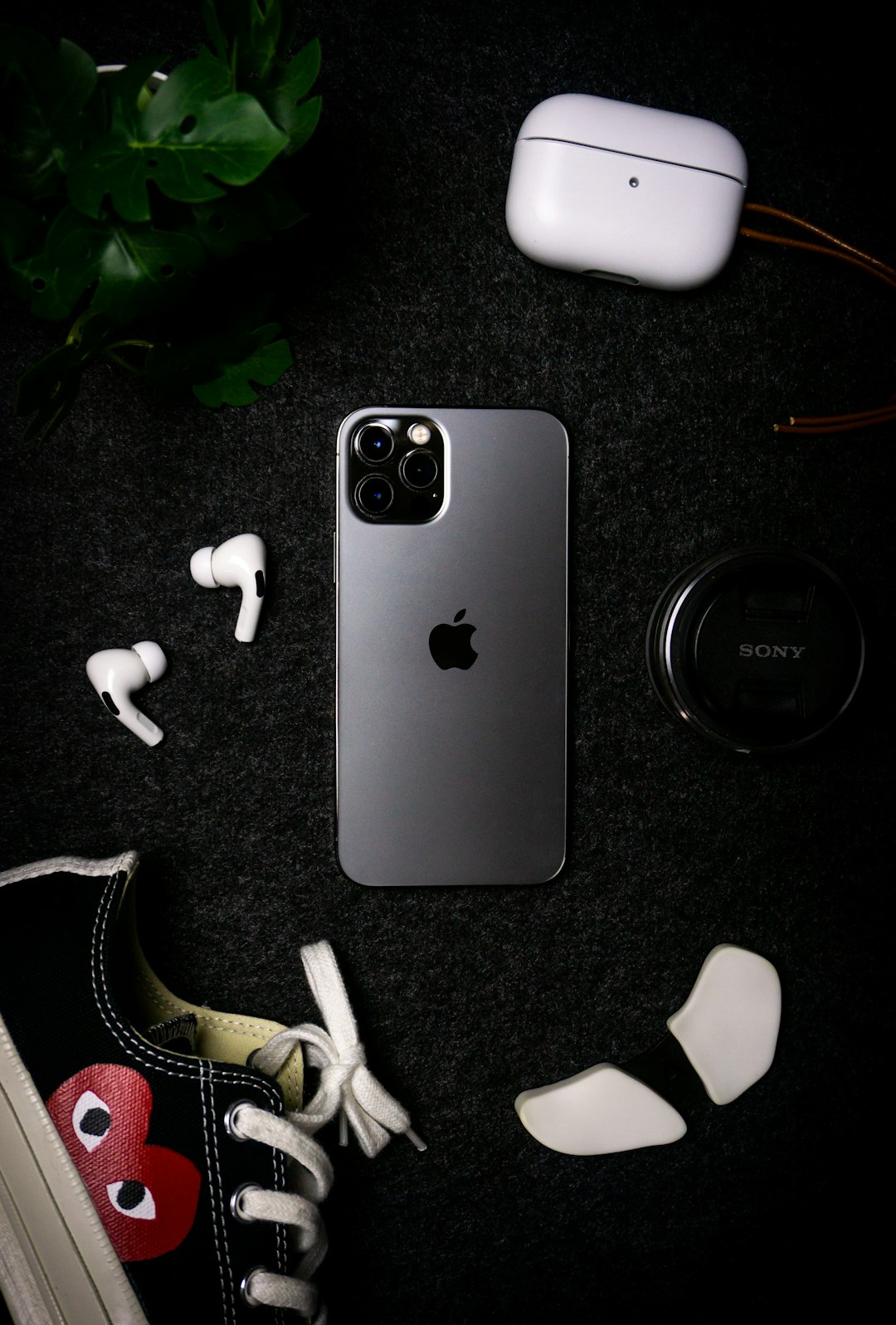
The Era of Dongles and Wireless Audio
As the 3.5mm jack disappeared from flagship phones, manufacturers began offering dongles—small connectors that attach to a phone’s charging port and convert it into a headphone jack. These dongles, while functional, were often criticized for being:
- Easy to lose.
- Low in durability.
- Incompatible across different ecosystems (e.g., USB-C vs. Lightning).
Consumers increasingly moved toward wireless headphones, spurred on by the rise of high-quality options like Apple AirPods, Sony’s wireless WF series, and others. Bluetooth technology had matured enough to provide low-latency sound, long battery life, and reliable connections for casual listeners and audiophiles alike.
In parallel, USB-C headphones began to emerge, mostly for Android devices. However, without a universal digital audio protocol for USB-C, compatibility issues soon sprang up. Accessories that worked with one device didn’t always work with another, adding to consumer frustration.
Why Did the 3.5mm Jack Really Disappear?
The reasons for the audio jack’s decline are complex and multifactorial:
- Miniaturization: Smartphones are packed with features, and every square millimeter counts. Removing the jack frees valuable space.
- Water Resistance: A physical jack is one more point of entry for moisture and requires additional engineering to be sealed properly.
- Component Integration: By eliminating analog audio paths, manufacturers can streamline internal architecture and theoretically improve performance.
- Market Strategy: Moving away from the 3.5mm jack stimulates accessory sales and pushes customers toward a manufacturer’s ecosystem.
Cultural and Economic Impact
This transformation in audio connectivity has affected how devices are designed and how we think about product ecosystems. For many, it marked a loss of a beloved, trustworthy standard. It also led to increased consumer costs, as dongles and proprietary accessories are rarely included for free now.
On the other hand, it advanced wireless audio innovation. The pressure to meet consumer expectations led to better Bluetooth codecs like aptX, LDAC, and AAC, making wireless listening much more viable. Battery life and active noise cancellation have both improved significantly since the mid-2010s.

The Future of Audio Connectivity
Today, the 3.5mm audio jack lives on in some mid-range phones, laptops, and audio-focused devices. Audiophiles often favor devices with both analog and digital output options, and professional audio equipment continues to use 1/4-inch and XLR connectors. That said, the mass market has largely moved on.
Future developments in spatial audio, codec refinement, and wireless charging suggest that we are heading deeper into a wireless-first world. But just like vinyl records and rotary phones, the audio jack remains an icon—an analog survivor in a digital world.
Conclusion
The story of the audio jack is a telling one. It illustrates how technology isn’t just about what’s possible—but also about what’s profitable, what’s compact, and what serves current market demands. Whether you’re mourning its loss or embracing the new world of wireless freedom, the humble audio jack has left an indelible mark on the history of sound.