 logo
logo



Building a PC in 2024 is more exciting than ever, especially with the rise in popularity of mini ITX cases and compact components. These small form factor (SFF) builds have caught the attention of gamers, enthusiasts, and creators alike. They offer powerful performance without taking up too much space, making them perfect for desks, living rooms, dorms, and even travel setups.
TL;DR: Mini ITX cases offer an impressive blend of style, compact size, and capable performance. They support full-featured PCs in small enclosures and are ideal for those looking to save space without sacrificing capabilities. In this article, we explore the best mini ITX cases available, their key features, and what you should consider before diving into your next small form factor build.
What Is a Mini ITX Case?
A mini ITX case is a compact computer chassis designed to house motherboards that follow the mini ITX form factor. These boards measure just 170mm x 170mm, yet they can still support high-end CPUs, GPUs, RAM, and SSDs in many configurations. These cases bring the full desktop experience into a much smaller footprint—typically under 20 liters in volume.
But smaller doesn’t always mean less; some mini ITX builds rival full ATX tower systems in performance, thanks to intelligent internal layout and component compatibility.
Why Choose a Mini ITX Build?
There are several compelling reasons to opt for a small form factor build. Here are a few:
- Space Saving: Perfect for minimalist desks or tight apartment corners.
- Portability: Great for frequent movers, LAN parties, or media center setups.
- Stylish Design: Many mini ITX cases feature clean, modern aesthetics that look amazing in any environment.
- Challenging and Fun: Mini ITX building can be more complex, rewarding enthusiasts who love optimizing and planning.
Top Mini ITX Cases in 2024
Let’s take a look at some of the best mini ITX cases that strike a balance between size, airflow, features, and compatibility.
1. NCASE M1 EVO
The long-awaited evolution of the legendary NCASE M1, the M1 EVO, redefines what’s possible in a mini ITX layout. This case offers modular interior configurations, premium build materials, and support for GPUs up to 3.5 slots wide.
- Capacity: 15L volume
- GPU Support: Up to 322mm in length
- Cooling: Up to 3x 120mm fans, water cooling support
- Notable Feature: Removable spine for easier installation
This case is ideal for high-performance builds and users who want flexibility when building or upgrading over time.
2. NZXT H1 V2
The NZXT H1 V2 is an all-in-one mini ITX case with a vertical layout that saves desk space and includes a built-in PSU, AIO cooler, and riser cable.
- Capacity: Around 15.6L
- GPU Support: Up to 324mm
- Cooling: Includes 140mm AIO liquid cooler
- Notable Feature: Pre-installed components simplify the build process
This is an excellent choice for beginners or users who want less cable management and assembly work, though customization options are more limited.
3. Cooler Master NR200 / NR200P
An affordable and loved favorite, the NR200 series delivers an exceptional balance between thermal performance and ease of build at a very reasonable price.
- Capacity: 18L volume
- GPU Support: Up to 330mm (3-slot cards)
- Cooling: Excellent airflow, supports 240mm radiators
- Notable Feature: Tool-less panels and wide support for air or liquid cooling
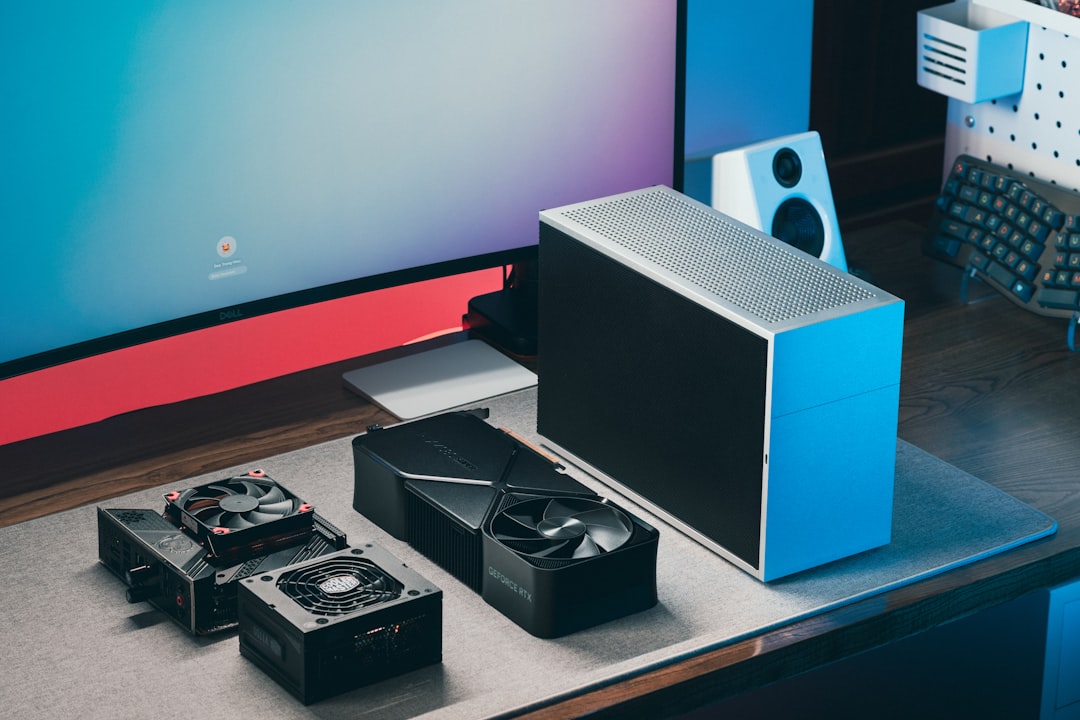
The NR200P variant comes with a tempered glass side panel and riser cable for vertical GPU mounting. It’s extremely popular due to its versatility and active modding community.
4. Lian Li A4-H2O
In collaboration with DAN Cases, Lian Li brings a clean, aluminum-built SFF case with premium aesthetics. The A4-H2O is compact yet manages to support large GPUs and AIOs up to 240mm.
- Capacity: Only 11L!
- GPU Support: Up to 322mm
- Cooling: 240mm radiator support
- Notable Feature: Dual-chamber layout enhances airflow in a tight footprint
This case is a top pick for aesthetic-driven builds looking to maximize component power in a clean, tight design.
What to Consider When Choosing a Mini ITX Case
Picking the right case involves more than just aesthetics. Here are a few factors to weigh in:
- Size and Volume: Smaller isn’t always better—too tight a space can limit airflow and increase temperatures.
- GPU Size Support: Ensure your case fits your graphics card in both length and thickness.
- PSU Compatibility: Some cases use SFX or SFX-L power supplies, while others might accept ATX units.
- Cable Management: Tight builds mean less room for messy cables, so look for smart routing features.
- Cooling Options: Check how many fans or radiators the case supports to manage thermals effectively.
Tips for a Smooth Mini ITX Build
Because building in a mini ITX case can be challenging, here are a few tips from experienced builders to help with the process:
- Plan Ahead: Start by listing all your parts and ensure clearances match each other and the case.
- Use Modular PSUs: Reduce cable clutter by using a modular power supply (and shorter cables).
- Install Components Strategically: Build from the inside out—CPU → motherboard → cooler → PSU → GPU, for example.
- Test Before Final Assembly: Boot outside of the case first to rule out component issues.
- Practice Patience: Expect tight spaces and moments of frustration. Take your time and manage cables as you go.
Is a Mini ITX Build Right for You?
If you’re looking for a PC that won’t dominate your desk or living room, a mini ITX setup could be exactly what you need. While it may cost a bit more in terms of premium cooling solutions or compact power supplies, the aesthetic and spatial rewards are worth it for many users.
That said, this form factor isn’t for everyone. For users who upgrade frequently, need multiple storage drives, or want to avoid fiddly installations, a mid-tower ATX build might be more suitable.
Final Thoughts
Mini ITX cases continue to impress with their smart engineering and ability to handle powerful components in small volumes. Whether you go with a crowd favorite like the Cooler Master NR200 or something more premium like the NCASE M1 EVO, there’s a mini ITX case out there that’s right for your space and performance needs.
Just remember: with a smaller size comes greater planning. But if you love a well-optimized machine and clean setups, a small form factor build will be one of the most rewarding PC projects you can take on.