 logo
logo



In today’s world, acronyms spring up seemingly every day—from medical jargon to the tech world and beyond. One of the lesser-known but increasingly important acronyms is VRO. The meaning of VRO can vary depending on the context, and understanding it helps demystify its growing usage in various professional and societal settings.
TL;DR (Too Long; Didn’t Read)
VRO stands for multiple things depending on the context, ranging from Volunteer Registration Officer in governmental scenarios to Virtual Robotics Optimization in tech circles. Most commonly, however, it refers to Village Revenue Officer in India, a government-appointed role crucial for local administration and land management. People use the acronym VRO to simplify complex titles or roles, allowing for smoother communication and documentation in technical, bureaucratic, and professional contexts.
Understanding the Core Meaning of VRO
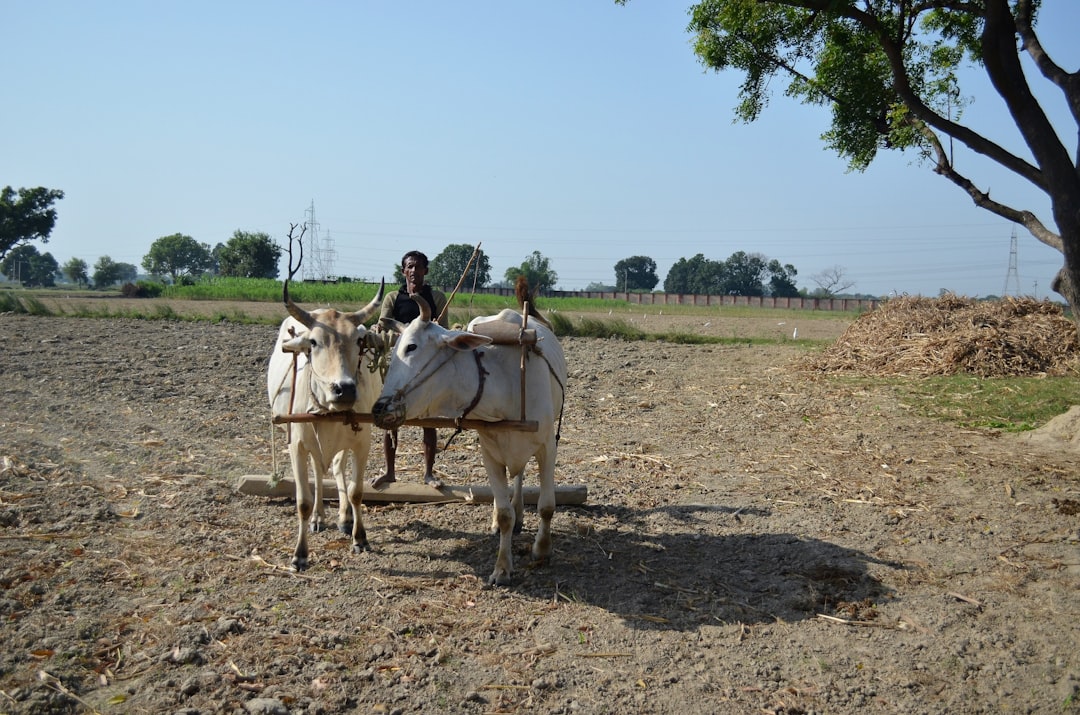
The acronym VRO primarily stands for Village Revenue Officer. This role is most commonly referenced in the context of administrative functions in India. A VRO is a local-level government official responsible for maintaining land records, managing revenue collection, and supporting rural governance. The position is critical within the state’s revenue department and often serves as a liaison between rural communities and higher administrative bodies.
However, the meaning of VRO is not limited to one application. Its relevance stretches into different sectors such as technology, military operations, and organizational structures, each assigning a unique interpretation to the acronym.
Common Interpretations of VRO
Below are some of the most commonly accepted meanings of VRO based on context:
- Village Revenue Officer – A public servant role commonly found in Indian administrative systems.
- Volunteer Registration Officer – A term often used by humanitarian and community-service-based organizations.
- Virtual Robotics Optimization – A concept in robotics and AI development for improving robotic operations in simulation environments.
- Virtual Read-Out – Seen in military and tech-related sectors, referring to digital output systems.
VRO as Village Revenue Officer: Roles and Responsibilities
The most widely recognized and formal usage of VRO is in Indian government framework where a Village Revenue Officer is responsible for a range of vital duties:
- Maintaining records of land ownership and tenancy.
- Assisting in the collection of agricultural revenues and taxes.
- Monitoring land usage and irrigation systems.
- Handling disaster and emergency reporting at the village level.
- Preparing and submitting reports to the Revenue Department.
The VRO acts as a crucial touchpoint between local residents and the wider bureaucratic machinery. They play an essential part in ensuring that rural regions function within the laws and regulations set by the state.
Why Is the Role of VRO So Important?
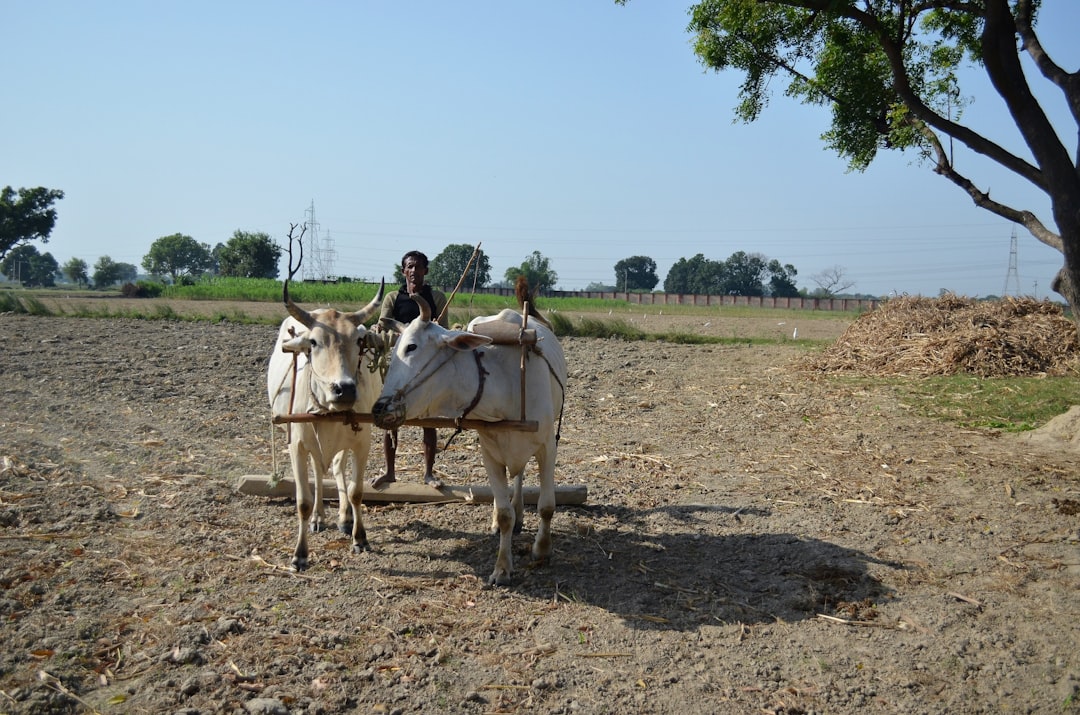
The importance of the VRO in governance stems from their multifaceted responsibilities. They are often the first point of official contact for villagers dealing with land issues, tax obligations, and even legal disputes. In times of natural disasters, such as floods or droughts, VROs are instrumental in damage assessment and coordination of relief initiatives.
Additionally, as data drives policy, the accurate logs and reports generated by a VRO significantly influence planning and allocation of government resources.
Evolution of the VRO Role Over Time
The position of the VRO has evolved significantly over the last few decades. Initially centered strictly around land revenue collection, today’s VROs are expected to handle more diverse responsibilities, including:
- Assisting with digital land record systems.
- Participating in e-governance initiatives.
- Monitoring welfare program distribution.
- Ensuring compliance with environmental regulations.
This evolution is part of broader institutional modernization and attempts to foster greater transparency and accountability in rural administration.
Other Industry Uses of VRO
In other contexts, the acronym has taken on highly specialized meanings. Here are two notable examples:
1. VRO in Tech: Virtual Robotics Optimization
In fields such as artificial intelligence and robotics, VRO can denote Virtual Robotics Optimization. This refers to the process of using simulation software to model, test, and refine robot algorithms and designs before they are deployed in the real world. This is especially common in industries like manufacturing automation and space exploration where pre-deployment testing is crucial.
2. VRO in Nonprofits: Volunteer Registration Officer
Non-profit organizations and NGOs often assign the title Volunteer Registration Officer to the person responsible for onboarding and managing volunteers. This includes verifying identities, collecting forms, and ensuring that all participants meet organizational criteria for service.
The acronym helps simplify organizational charts and internal communications, particularly in large-scale operations such as disaster relief or international humanitarian efforts.
Why People Use the Acronym VRO
The popularity of acronyms like VRO lies largely in their efficiency. Acronyms reduce long titles and complex roles into quick-reference codes that are easy to remember and simple to document. Here are some reasons why VRO, specifically, has gained traction:
- Clarity: When used within a specific context, VRO immediately identifies the role or function without needing lengthy explanations.
- Standardization: In government and corporate structures, acronyms help standardize role titles across regions and departments.
- Space-saving: Official documents often employ acronyms for the sake of brevity and legibility.
However, the use of the VRO acronym also necessitates clarity—particularly in multi-disciplinary environments where the term might have conflicting meanings. For formal communication, initial definitions and contextual clarification are still important to avoid misunderstanding.
The Future of VRO
As the modern workplace and governance systems continue to evolve, so too does the usage of acronyms such as VRO. In India, efforts are underway to digitize land records and streamline bureaucratic processes, which will likely expand the scope and influence of Village Revenue Officers.
In technological fields, as virtual modeling and optimization become increasingly sophisticated, VRO will continue to hold significance within engineering and scientific communities. And in the philanthropic sector, roles like Volunteer Registration Officer will be ever more vital as cross-border volunteerism scales up.
Conclusion
Whether representing a cornerstone of rural governance in India or cutting-edge practices in robotics, VRO is an acronym with versatile applications. Its precise definition depends heavily on the context in which it is used. However, in each case, it serves as a practical tool for condensing information while assigning significance to critical roles and processes.
As our world becomes more interconnected and reliant on specialized language, acronyms like VRO remind us of the importance of understanding not just what terms stand for, but also what they signify in their respective domains.
