 logo
logo



Text-to-speech (TTS) technology has rapidly evolved from robotic monotone narrators into highly realistic, expressive digital voices that power everything from YouTube videos to customer service chatbots. For creators and businesses alike, modern TTS tools offer scalability, accessibility, and cost efficiency that traditional voice recording often cannot match. Whether producing training materials, marketing videos, audiobooks, or AI assistants, choosing the right tool can dramatically improve workflow and audience engagement.
TLDR: Modern text-to-speech tools now offer ultra-realistic voices, multilingual support, and AI customization features for creators and businesses. The best platforms combine natural sound, flexible pricing, and commercial usage rights. This list highlights 15 leading TTS tools, compares their strengths, and explains how to choose the right one. A comparison chart and FAQs are included to simplify decision-making.
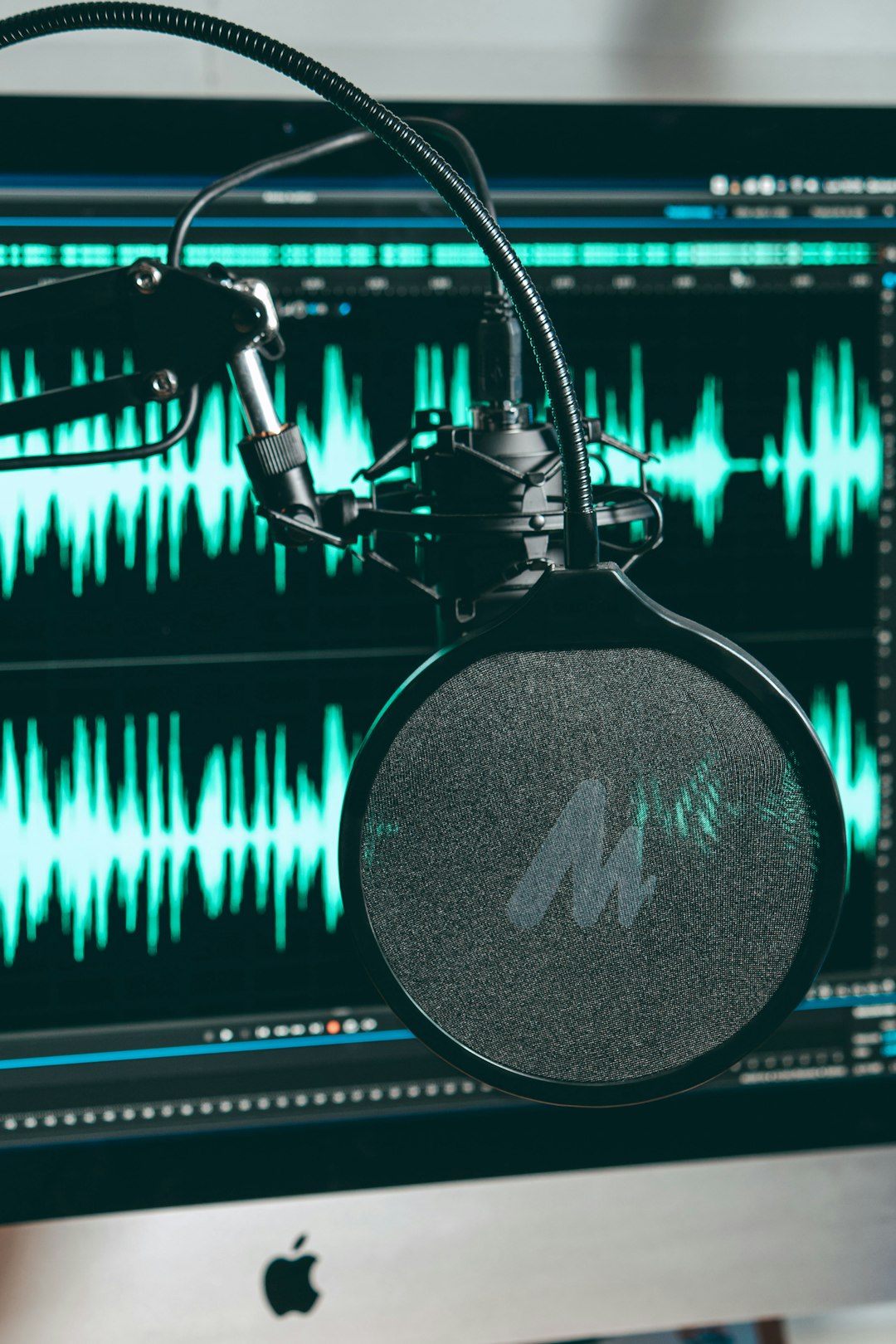
What Makes a Great Text-to-Speech Tool?
Before exploring the top tools, it helps to understand what sets premium platforms apart. Key features include:
- Natural-sounding voices with emotional range
- Multiple language and accent support
- Commercial licensing for business use
- Voice cloning or customization
- Integration capabilities via API
- Affordable pricing tiers
Below are 15 of the best text-to-speech tools available today.
1. Murf.ai
Murf.ai is favored by content creators for its studio-quality voices and built-in video editing features. It offers over 120 voices in multiple languages and allows pitch, speed, and emphasis adjustments. It is widely used for e-learning and marketing videos.
2. ElevenLabs
Known for incredibly realistic AI voices, ElevenLabs specializes in expressive narration and voice cloning. Many audiobook creators and storytellers prefer it for its natural tone and emotional delivery.
3. Play.ht
Play.ht offers hundreds of AI voices and strong API functionality. It is popular among bloggers who want to convert articles into audio content quickly.
4. Descript
Descript combines audio editing with text-based voice generation. Its Overdub feature allows users to replicate their own voice for seamless corrections.
5. Speechify
Speechify is ideal for personal productivity and accessibility. It converts documents, PDFs, and web pages into natural speech, making it popular among students and professionals.
6. LOVO AI
LOVO AI provides realistic voices and emotional variation. It is frequently used in advertising, gaming, and animation projects.
7. Amazon Polly
Amazon Polly is a developer-focused tool that integrates easily into apps and services. Backed by AWS, it supports dozens of languages and offers real-time streaming.
8. Google Cloud Text-to-Speech
Google’s TTS engine uses DeepMind technology for natural-sounding speech. It is highly scalable and ideal for enterprises requiring robust infrastructure.
9. Microsoft Azure Text-to-Speech
Azure provides neural voices with advanced customization. Its enterprise-grade security makes it attractive for corporate environments.
10. WellSaid Labs
WellSaid Labs focuses on professional-grade voiceovers for corporate training and internal communications. Its voices are polished and studio ready.
11. Resemble AI
This platform excels in voice cloning and emotional speech generation. It is commonly used in gaming, film production, and virtual experiences.
12. NaturalReader
NaturalReader offers both personal and commercial plans. It is known for its simplicity and strong accessibility features.
13. Synthesia
While primarily an AI video generator, Synthesia includes strong text-to-speech capabilities paired with AI avatars, making it excellent for training and marketing videos.
14. iSpeech
iSpeech provides straightforward TTS services with API options for developers. It is easy to implement for basic commercial applications.
15. Voicemaker
Voicemaker is a cost-effective solution offering numerous languages and adjustable speech parameters. It is popular among small content creators.
Comparison Chart
| Tool | Best For | Voice Realism | Languages | Voice Cloning | API Access |
|---|---|---|---|---|---|
| Murf.ai | Marketing & eLearning | High | 20+ | No | Limited |
| ElevenLabs | Audiobooks & Storytelling | Very High | 30+ | Yes | Yes |
| Play.ht | Blog Audio | High | 40+ | Yes | Yes |
| Amazon Polly | Developers | High | 60+ | No | Yes |
| Google Cloud TTS | Enterprise Apps | Very High | 50+ | Limited | Yes |
| Microsoft Azure | Corporate Solutions | Very High | 45+ | Yes | Yes |
| LOVO AI | Advertising | High | 25+ | Limited | Yes |
How Businesses Use Text-to-Speech
Companies across industries use TTS tools in creative and operational ways:
- Customer Support: AI phone systems and chatbots.
- Training: Scalable employee onboarding materials.
- Marketing: Social media ads and promotional videos.
- Accessibility: Helping visually impaired users consume content.
- Product Integration: Smart devices and apps.

How to Choose the Right Tool
Selecting the best platform depends on specific needs:
- For YouTube creators: Prioritize voice realism and editing tools.
- For enterprises: Look for API integration and security compliance.
- For startups: Consider scalable pricing and multilingual support.
- For audiobook producers: Focus on emotion and long-form narration quality.
Budget also plays a role. Some tools charge per character, while others offer subscription models. Reviewing licensing terms ensures compliance for commercial use.
Frequently Asked Questions (FAQ)
1. Are text-to-speech voices realistic enough for professional use?
Yes. Modern AI-powered tools such as ElevenLabs and Google Cloud TTS produce highly natural, expressive speech suitable for professional videos, audiobooks, and business communications.
2. Can businesses legally use AI-generated voices?
Most platforms provide commercial licenses under paid plans. Users should review each provider’s terms of service to confirm permitted usage.
3. What is voice cloning?
Voice cloning allows users to replicate a specific voice using AI. This can be useful for branding, character voices, or maintaining consistency in audio content.
4. Which tool is best for developers?
Amazon Polly, Google Cloud Text-to-Speech, and Microsoft Azure are strong choices due to their powerful APIs and scalability.
5. Are free text-to-speech tools sufficient?
Free versions can work for personal or experimental projects, but they often limit voice options, usage rights, or audio quality.
6. Do text-to-speech tools support multiple languages?
Yes. Many leading platforms support dozens of languages and regional accents, making them ideal for global businesses.
7. Can AI voices replace human voice actors?
While AI voices have become highly sophisticated, human voice actors still excel in subtle emotional nuance and performance depth. Many businesses use a combination of both.
Conclusion: Text-to-speech technology has transformed how creators and businesses produce and distribute audio content. With increasingly realistic voices, advanced customization, and seamless integration options, today’s tools offer scalable solutions for nearly every use case. By understanding individual needs and comparing available platforms, organizations and independent creators can select a solution that enhances both efficiency and audience engagement.
