 logo
logo



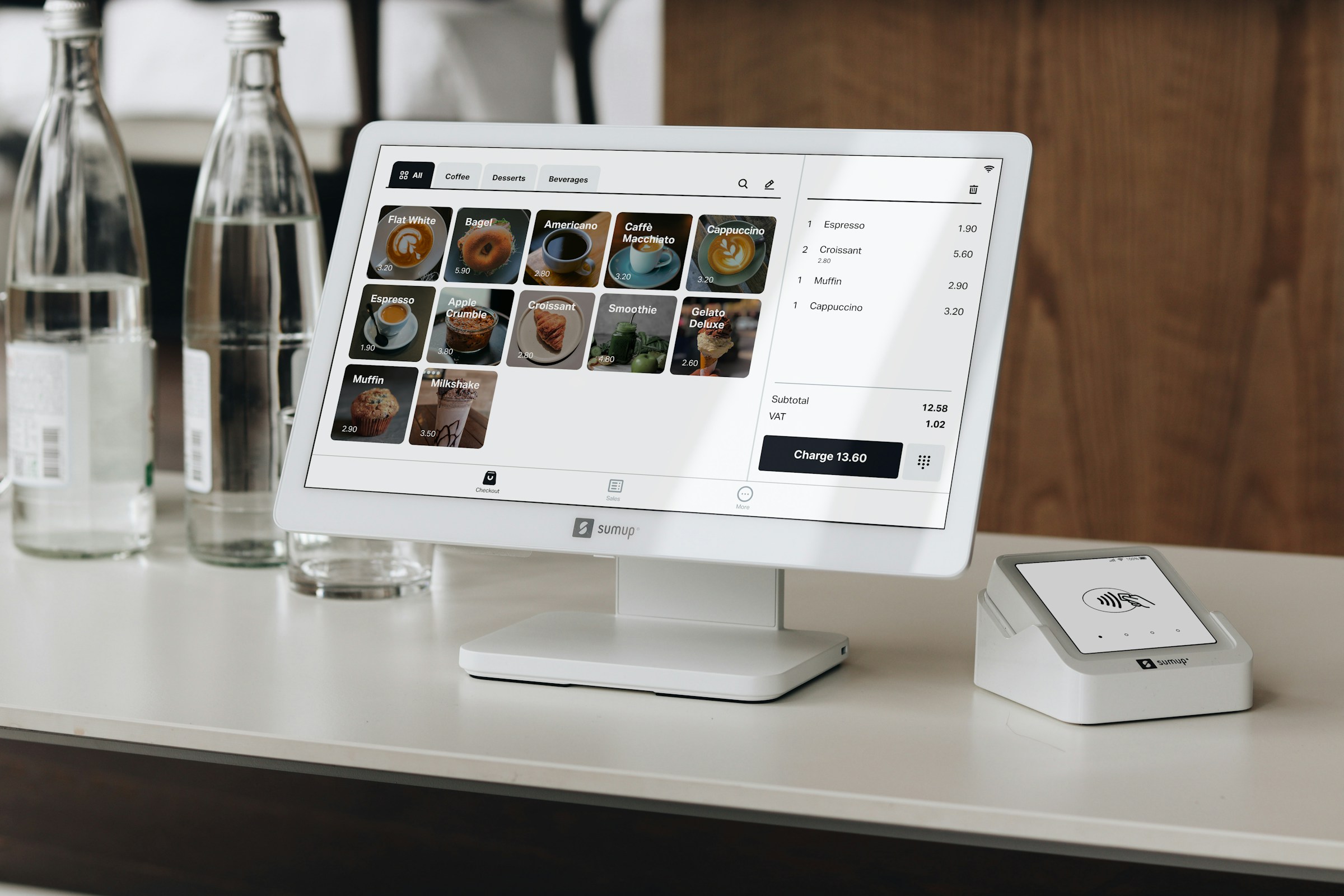
Running a bakery today isn’t just about baking good bread anymore. Whether it’s a single artisan shop or a growing group of locations, modern bakery management demands speed, accuracy, compliance, and control across the whole operation. Sales need to move fast and stay legally correct. Production has to be precise. Recipes, allergens, inventory, and deliveries all have to line up every day. And all of this happens under constant time pressure, staff shortages, and tight margins that don’t really forgive mistakes.
That’s why many bakery owners eventually notice that a simple cash register or a generic retail POS system stops being enough.
This article looks at what bakery POS software actually needs to do, how it differs from standard retail systems, and how to choose a solution that supports growth instead of quietly adding new problems.

Why Bakery POS Software Is More Than a Cash Register
At first glance, a POS system looks like a payment tool. For a bakery, though, it sits right in the middle of almost every critical workflow. Every sale affects inventory. Every product sold has to match a recipe. Every ingredient needs to be traceable. Prices have to be right. Allergen information has to be accurate. There isn’t much room for error.
Many bakeries start with a mix of disconnected tools. A POS for sales, spreadsheets for planning production, recipes printed and stored in folders, allergen lists maintained by hand, and a lot of informal communication between shifts. That setup can work when volumes are low and the team is small. Once demand increases or multiple locations are added, it starts to break down.
Errors show up more often. Staff spend more time coordinating than actually producing. Owners lose visibility. Growth turns into chaos instead of something manageable.
A proper bakery POS system is meant to prevent exactly this. It brings sales, production, inventory, and compliance together in one system, cutting friction and making daily work calmer and more predictable.
When people look for bakery POS solutions, especially in German-speaking markets, they often end up searching for bäckerei kassensoftware. Not because they want “just a cash system,” but because they’re really looking for a digital backbone that can handle the entire bakery operation from start to finish.
What Bakery Owners Actually Need From POS Software
From a job-to-be-done point of view, bakery owners aren’t hunting for features. They’re trying to fix very real, everyday problems.
- They need to sell quickly and correctly during peak hours.
- They want to avoid mistakes in recipes and production batches.
- They need to know what’s in stock and what needs to be baked tomorrow.
- They have to keep prices, allergens, and nutritional data correct at all times.
- They want fewer manual steps and less dependence on individual people.
A bakery POS system has to support these goals directly. Anything that adds complexity without taking work away isn’t really a solution. It’s just another thing to manage.
Core Must-Have Capabilities of Bakery POS Software
Sales and Checkout Built for Bakeries
Speed at the counter matters in bakeries more than in many other retail settings. Morning rush hours, tight spaces, and high transaction volumes demand a checkout process that’s fast, intuitive, and dependable.
Bakery POS software needs to handle quick product selection, clear product variants, weight-based or unit-based pricing, and straightforward promotions or customer cards. At the same time, it has to stay legally compliant, with correct tax handling, receipts, and fiscal documentation.
Usability matters just as much. Staff turnover can be high, and not everyone is comfortable with complex systems. A POS has to be easy to learn and reliable under pressure, without constant errors or slowdowns.
Production, Recipes, and Batch Control
Production is where many generic POS systems simply fall apart. Bakeries don’t sell abstract items. They produce physical goods based on specific recipes, ingredients, and processes.
A bakery POS system should store recipes digitally and link them directly to the products sold at the counter. When something is sold, the system should know which ingredients were used and in what amounts. That makes production planning, batch tracking, and traceability far more reliable.
Batch control is especially important for quality and compliance. If there’s an issue with an ingredient, the bakery needs to know which batches were affected and when they were sold. Doing this manually is close to impossible. With integrated software, it becomes manageable.
Inventory, Warehousing, and Delivery Control
Inventory in bakeries is rarely simple. There are raw ingredients, semi-finished items, and finished products. Some expire quickly. Others are shared between locations. Deliveries need to be timed carefully to avoid shortages or waste.
A bakery POS system should give real-time visibility into stock levels and adjust inventory automatically based on sales and production. It should support transfers between locations, demand-based production planning, and clear delivery workflows.
Without this, bakeries tend to rely on experience and gut feeling. That can work for a while, until it suddenly doesn’t. Digital inventory control replaces uncertainty with data and makes decisions calmer and more confident.
Pricing, Allergens, and Nutritional Documentation
Compliance isn’t optional. Prices need to be consistent. Allergens have to be declared correctly. Nutritional information must stay accurate and up to date.
Handling all of this manually takes time and invites mistakes. A bakery POS system should centralize product data so prices, allergens, and nutritional values can be updated once and applied everywhere automatically.
That reduces risk and saves administrative effort, especially in regulated markets where inspections are common, and documentation needs to be ready at any moment.
Nice-to-Have Features That Create Real Value
Once the core workflows are stable, additional features can make a real difference.
Demand forecasting helps plan production more accurately and cut down on waste. Customer data and loyalty programs make buying patterns easier to understand and relationships easier to build. Centralized reports give owners a clear picture of performance across products, locations, and time periods.
These things aren’t critical on day one, but they become valuable as the business grows.
Single Bakery vs. Multi-Location Operation
The requirements for bakery POS software change a lot once there’s more than one location.
In a single bakery, simplicity and ease of use usually come first. In a multi-location setup, scalability and centralized control become much more important. Owners need to manage prices, recipes, and reporting centrally, while still letting local teams work efficiently.
Cloud-based systems play a big role here. They allow real-time synchronization, remote access, and consistent data across locations. Without that, growth often leads to fragmented systems and inconsistent processes.
 Warning Signs That Your Current System Is No Longer Enough
Many bakeries put off upgrading their software because “it still works.” Still, there are clear signs that the setup is holding things back.
- Errors in production or orders start happening more often.
- Staff rely heavily on paper notes and spreadsheets.
- Owners don’t have real-time insight into sales and inventory.
- Growth feels stressful instead of motivating.
When these signs show up, it’s rarely a people problem. It’s usually a system problem.
The Emotional and Operational Impact of the Right System
The right bakery POS software does more than optimize processes. It changes how the business feels day to day.
Owners regain a sense of control.
Staff work with clearer structures and less stress.
Daily operations feel calmer and more predictable.
The business comes across as modern and professional.
That emotional side matters. Less stress and clearer workflows lead to better decisions, more satisfied employees, and better experiences for customers.
How to Evaluate Bakery POS Software Before Choosing
Choosing bakery POS software is a long-term decision. Changing systems later is expensive and disruptive, so it’s worth taking evaluation seriously.
Important questions include whether the system truly covers sales, production, inventory, and compliance in one place, whether it’s built for bakery workflows rather than generic retail, whether staff can use it easily, and whether it scales without adding complexity.
The goal isn’t to find the system with the longest feature list. It’s to find the one that reduces friction and supports daily work reliably.
Why Bakery POS Systems Get Replaced
Looking at why systems fail can help avoid bad choices. Bakery POS systems are often replaced because of too many integrations, unclear workflows, missing bakery-specific logic, or weak support.
Once software starts feeling like a burden instead of a help, replacement is usually only a matter of time.
Final Decision Framework: Is This the Right POS System for Your Bakery?
A good bakery POS system should make the business easier to run, not harder. It should cut down errors, save time, and bring clarity. It should support growth without turning it into chaos. And it should free owners to focus on quality, customers, and development instead of constant administration.
If a system does that, it’s more than just a POS. It becomes the foundation for a stable, scalable, and future-ready bakery business.