 logo
logo



Utility providers today face rising expectations from customers who demand transparency, speed, and secure digital experiences. Manual billing processes and outdated systems no longer meet the standards required for accurate reporting, regulatory compliance, and seamless online payments. Modern utility billing software bridges this gap by automating complex calculations, offering self-service portals, and delivering powerful reporting dashboards. Choosing the right platform can significantly improve operational efficiency and customer satisfaction.
TLDR: Utility billing software with online payments and reporting dashboards helps providers automate invoicing, improve cash flow, and enhance transparency. The best platforms combine secure payment gateways, real-time analytics, and customer self-service tools. In this article, we examine four reliable utility billing solutions and compare their features. A detailed chart is included to help decision-makers quickly evaluate their options.
Why Utility Billing Software Matters
Utilities operate in a highly regulated environment where precision and accountability are non-negotiable. Errors in billing or delays in payment processing can damage trust, disrupt cash flow, and trigger compliance issues.
Modern solutions offer:
- Automated meter data integration
- Online payment processing through secure gateways
- Configurable reporting dashboards
- Customer self-service portals
- Regulatory compliance tracking
The platforms examined below are widely recognized for their stability, scalability, and reporting capabilities.
1. Advanced Utility Systems (AUS)
Advanced Utility Systems is a comprehensive billing platform designed for municipalities and utility organizations. It offers a unified system for billing, customer information management, and reporting.
Key Features
- Robust Billing Engine: Handles multi-utility billing including water, electricity, gas, and waste services.
- Integrated Online Payments: Accepts credit cards, ACH transfers, and recurring automatic withdrawals.
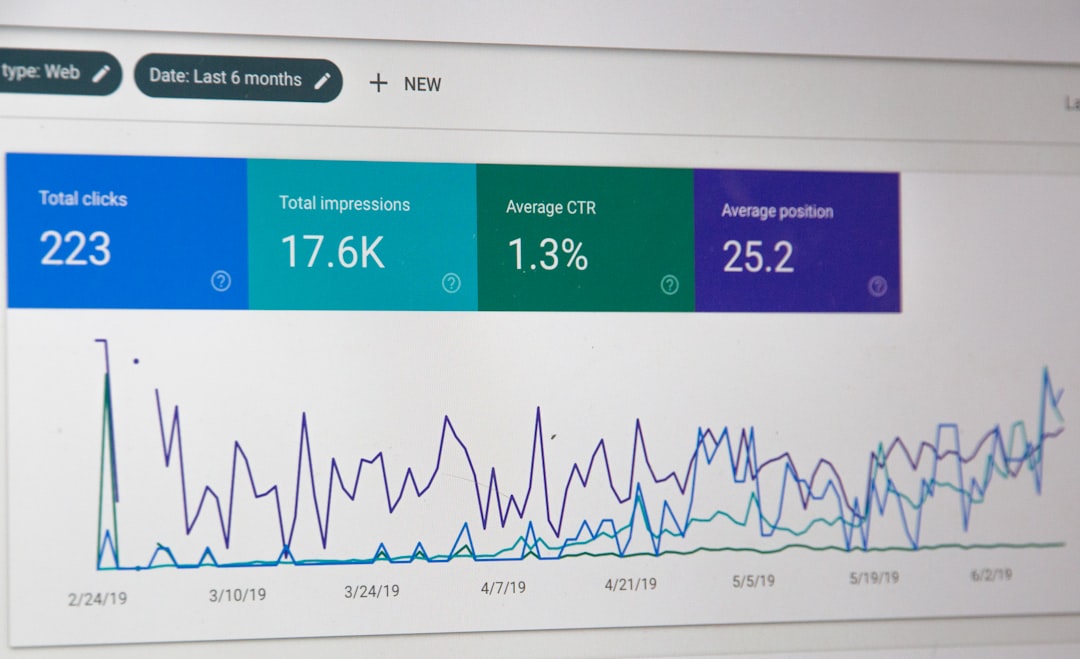
- Configurable Dashboards: Administrators can track revenue, late payments, service requests, and customer activity in real time.
- GIS and Meter Integration: Connects with meter reading technologies for accurate consumption tracking.
Strengths
AUS is particularly strong in regulatory compliance and financial reporting. Its dashboards can be tailored to department-specific metrics, providing actionable insights to both finance and operations teams.
Considerations
The platform may require a longer onboarding period due to its depth and customization capabilities.
2. Harris Utility Billing (Cogsdale)
Harris provides Cogsdale, a comprehensive utility billing and customer information system used by municipalities across North America.
Image not found in postmetaKey Features
- End-to-End Customer Information System: Maintains detailed account records and service histories.
- Secure Online Payment Portal: Supports one-time and recurring payments.
- Real-Time Reporting Tools: Offers financial summaries, consumption analysis, and delinquency tracking.
- Workflow Automation: Streamlines billing adjustments, service requests, and account updates.
Strengths
Cogsdale stands out for its secure infrastructure and strong municipal focus. It is well-suited for organizations seeking stability and compliance support.
Considerations
Some users report that the interface feels more traditional compared to newer cloud-native platforms, though functionality remains robust.
3. Oracle Utilities Customer Care and Billing
Oracle Utilities is an enterprise-grade platform designed for large-scale utility providers. It integrates customer care, billing, analytics, and financial reporting in a highly scalable architecture.
Key Features
- Advanced Analytics: Embedded business intelligence tools provide predictive insights into revenue trends and consumption patterns.
- Multi-Channel Payment Processing: Online portals, mobile apps, kiosks, and phone payments are supported.
- Cloud Deployment Options: Available as on-premise or cloud-based infrastructure.
- Audit-Ready Reporting: Meets stringent regulatory and financial reporting standards.
Strengths
Oracle’s solution excels in scalability. It is designed to handle millions of accounts while maintaining detailed performance tracking dashboards.
Considerations
This system is typically best suited for large utility organizations due to its enterprise-level pricing and implementation complexity.
4. AMCS Utility Billing
AMCS offers a cloud-based utility billing platform with a strong emphasis on sustainability, automation, and digital engagement.

Key Features
- Fully Cloud-Based System: Provides remote access and automatic updates.
- Integrated Payment Gateway: Secure processing with fraud protection measures.
- Customizable Dashboards: Visual reports including charts for revenue tracking and customer payment behavior.
- Customer eBilling Options: Encourages paperless billing and automated reminders.
Strengths
AMCS is known for its intuitive user experience and strong data visualization tools, making dashboards easy to interpret at a glance.
Considerations
Customization options may vary depending on the subscription tier selected.
Comparison Chart
| Feature | Advanced Utility Systems | Harris Cogsdale | Oracle Utilities | AMCS Utility Billing |
|---|---|---|---|---|
| Deployment | On-premise / Cloud | Primarily On-premise | On-premise / Cloud | Cloud-Based |
| Online Payments | Yes | Yes | Yes (multi-channel) | Yes |
| Reporting Dashboards | Customizable | Real-time reporting | Advanced analytics | Visual dashboards |
| Best For | Municipal utilities | City governments | Large enterprises | Mid-sized utilities |
| Scalability | Medium to High | Medium | Very High | Medium |
Key Factors to Consider When Choosing
Selecting a utility billing platform requires careful evaluation beyond feature lists. Decision-makers should assess:
- Security and Compliance: Ensure support for PCI-compliant payment processing and regional regulatory requirements.
- Integration Capabilities: The system should integrate with existing ERP, GIS, and meter infrastructure.
- Data Visibility: Dashboards must provide actionable, real-time data without requiring complex queries.
- User Experience: Both staff and customers benefit from intuitive interfaces.
- Total Cost of Ownership: Include licensing, training, maintenance, and scalability expenses.
Organizations that conduct a formal needs assessment before implementation typically experience smoother transitions and faster returns on investment.
Final Thoughts
Utility billing software plays a central role in financial stability, regulatory compliance, and customer engagement. Platforms such as Advanced Utility Systems, Harris Cogsdale, Oracle Utilities, and AMCS demonstrate that modern billing systems are more than invoicing tools — they are strategic operational hubs.
By adopting solutions with integrated online payments and comprehensive reporting dashboards, utilities can improve cash flow, reduce administrative burdens, and enhance service transparency. While enterprise providers may gravitate toward highly scalable platforms like Oracle, mid-sized municipalities may benefit from more streamlined and cloud-focused systems such as AMCS or AUS.
Ultimately, the right solution is one that aligns with your organization’s size, budget, and long-term operational goals while maintaining a strong emphasis on security and reporting accuracy. Careful evaluation and structured implementation are essential for long-term success.