 logo
logo




Edge computing has reshaped how developers think about APIs, and Edge GraphQL has become a powerful pattern for delivering fast, globally distributed data. Grafbase emerged as an early platform promising serverless GraphQL at the edge, but as the ecosystem evolves, many teams are evaluating alternatives that offer greater flexibility, broader integrations, pricing stability, or more control over infrastructure. If you’re considering replacing Grafbase for your edge GraphQL APIs, you’re not alone.
TLDR: Developers are replacing Grafbase with platforms that offer stronger multi-cloud support, improved observability, deeper customization, or simpler pricing models. Popular alternatives include Apollo Router, Hasura, WunderGraph, Cloudflare Workers with GraphQL Yoga, and AWS AppSync. The right choice depends on your team’s need for federation, real-time capabilities, edge-native deployment, and control over backend services. Carefully evaluating trade-offs between managed convenience and infrastructure control is key.
Below, we explore the top solutions developers are adopting and why they’re making the switch.
Why Developers Are Moving Away from Grafbase
Before diving into replacements, it’s helpful to understand what’s driving change. Common reasons teams reevaluate their GraphQL edge stack include:
- Need for broader cloud portability beyond a single vendor ecosystem
- Desire for stronger federation support in large-scale architectures
- Pricing or cost predictability concerns
- More granular performance tuning at the edge
- Extended database and service integrations
- Mature monitoring and observability tools
As GraphQL moves deeper into production-critical systems, teams often prefer platforms with strong track records, open standards alignment, and ecosystem maturity.
Image not found in postmeta1. Apollo Router + Apollo Federation
Apollo is one of the most established names in the GraphQL world. For teams focused on federated GraphQL at scale, Apollo Router has become a leading replacement option.
Why teams choose Apollo:
- Production-grade federation architecture
- High-performance Rust-based router
- Advanced observability and performance insights
- Strong schema governance tools
- Broad enterprise adoption
Apollo Router can be deployed at the edge using platforms like Fly.io, Cloudflare Workers (via adaptations), or other global infrastructure providers. This allows teams to maintain ownership of deployment while leveraging Apollo’s robust tooling.
Best for: Large organizations needing scalable schema federation and deep ecosystem support.
2. Hasura
Hasura offers instant GraphQL APIs over databases and supports event triggers and remote schemas. While not strictly “edge-native” by default, Hasura can be deployed regionally and paired with edge integrations to approximate Grafbase’s edge performance model.
Why developers adopt Hasura:
- Instant GraphQL over Postgres
- Strong role-based access control
- Real-time subscriptions built-in
- Mature ecosystem and enterprise support
- Flexible self-hosted or managed options
Hasura appeals to teams prioritizing database-centric GraphQL and real-time capabilities over purely edge-executed serverless functions.
Best for: Teams who want structured database integration with strong authorization patterns and don’t require full edge-first architecture.
3. Cloudflare Workers + GraphQL Yoga
Many developers seeking maximum flexibility are combining Cloudflare Workers with lightweight GraphQL servers such as GraphQL Yoga or Helix.
This approach provides:
- True edge-native deployment across global POPs
- Lower latency worldwide
- Full control over resolvers and middleware
- Composable services and custom logic
- Flexible pricing tied to usage
Instead of relying on an opinionated managed solution, teams build their own edge GraphQL layer using Workers’ serverless functions. It requires more setup but offers greater freedom.
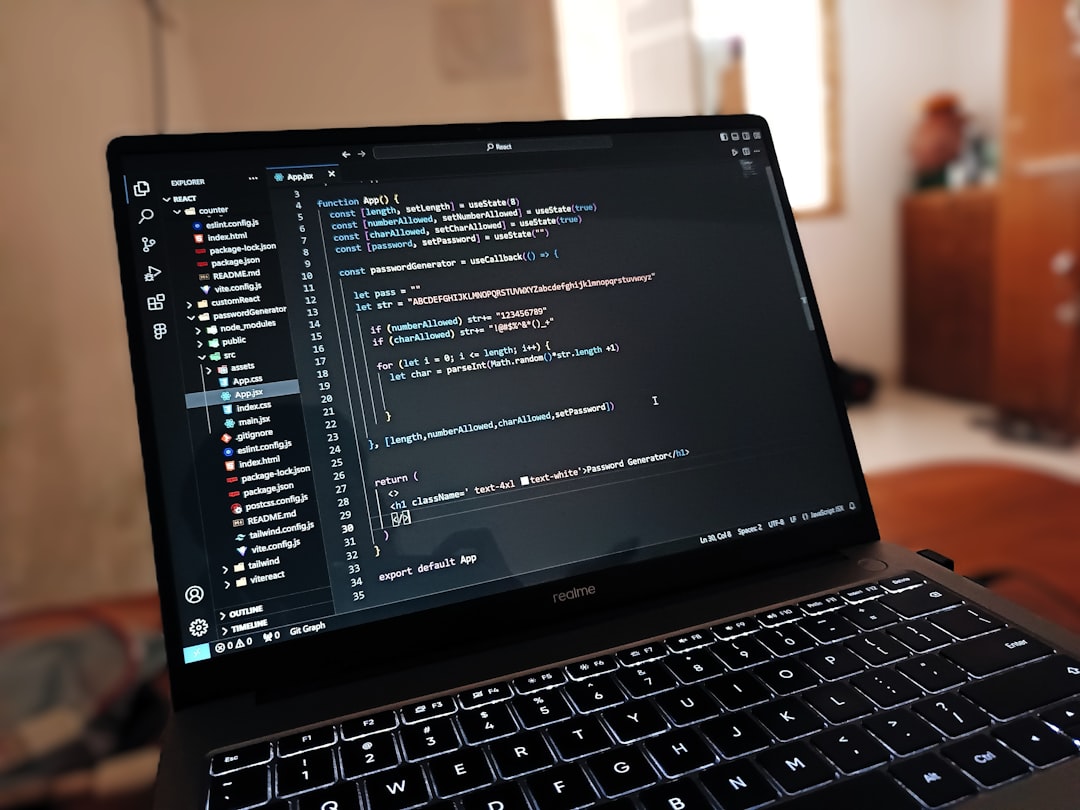
Best for: Developers who want granular control and are comfortable assembling their own stack.
4. AWS AppSync
AWS AppSync remains a powerful managed GraphQL service deeply integrated into the AWS ecosystem. While not traditionally marketed as an edge GraphQL platform, it integrates with CloudFront and global AWS infrastructure.
Key strengths include:
- Seamless integration with DynamoDB and Lambda
- Built-in subscription support
- Fine-grained security with IAM
- Offline and sync capabilities for mobile apps
- Serverless scalability
Developers already invested in AWS often find AppSync a natural alternative when moving away from Grafbase.
Best for: AWS-native teams wanting deep ecosystem integration and managed infrastructure.
5. WunderGraph
WunderGraph takes a different approach by combining GraphQL with REST and third-party APIs into a unified API layer. It emphasizes developer experience and type safety.
Why it stands out:
- API composition beyond just GraphQL
- Strong TypeScript support
- Simplified authentication handling
- Edge deployment compatibility
- Focus on frontend-backend integration
For teams building modern Jamstack or hybrid applications, WunderGraph can feel more flexible than traditional GraphQL-only platforms.
Best for: Full-stack JavaScript teams seeking unified API layers and tight frontend integration.
Comparison Chart: Grafbase Alternatives for Edge GraphQL
| Platform | Edge Native | Federation Support | Best For | Infrastructure Control |
|---|---|---|---|---|
| Apollo Router | Partial (self-deployed) | Excellent | Enterprise-scale federated schemas | High |
| Hasura | Regional deployment | Moderate | Database-first GraphQL apps | Medium to High |
| Cloudflare Workers + Yoga | Yes | Custom implementation | Custom edge-native APIs | Very High |
| AWS AppSync | Indirect via AWS network | Limited | AWS-centric backend systems | Low to Medium |
| WunderGraph | Compatible | Composable | Frontend-focused teams | Medium |
Key Criteria When Choosing a Replacement
Switching GraphQL infrastructure is a strategic decision. Here’s what experienced developers recommend evaluating before committing:
1. Latency and Edge Coverage
Does the platform truly execute at the edge, or does it simply cache responses? True edge compute reduces cold starts and improves global consistency.
2. Schema Federation
If your architecture spans microservices, federation capabilities may outweigh edge optimizations.
3. Observability
Production GraphQL at scale demands deep tracing, logging, and performance analysis. Apollo often excels here, but others are catching up.
4. Vendor Lock-In
Open-source and self-hosted options provide portability. Managed services offer convenience but can increase dependencies.
5. Real-Time Capabilities
Subscriptions and live queries are critical for collaborative or live-update apps. Not all edge-first platforms handle this equally well.
Edge GraphQL Is Evolving Rapidly
The broader trend isn’t just about replacing one platform with another—it reflects how GraphQL infrastructure is maturing. Teams are now balancing:
- Performance vs. flexibility
- Managed convenience vs. infrastructure ownership
- Edge execution vs. centralized federation
- Developer speed vs. enterprise governance
Grafbase helped popularize the idea of developer-friendly, serverless GraphQL at the edge. But as organizations grow, the requirements often expand beyond rapid prototyping into territory that demands governance, scaling guarantees, and architecture control.
Final Thoughts
There’s no universal “best” replacement for Grafbase. The right solution depends entirely on your team’s architecture and growth trajectory.
- If you want enterprise-scale federation, Apollo Router is compelling.
- If you prefer database-centric automation, Hasura is powerful.
- If you need pure edge-native composability, Cloudflare Workers with GraphQL Yoga delivers flexibility.
- If you live inside AWS, AppSync makes operational sense.
- If you want unified API composition for modern stacks, WunderGraph is worth exploring.
The move away from Grafbase isn’t necessarily a rejection—it’s part of the natural evolution of modern API architecture. As edge computing continues to grow and multi-cloud strategies become standard, developers will keep gravitating toward solutions that balance speed, transparency, and long-term scalability.
Choosing wisely now ensures your GraphQL API won’t just perform well at the edge—it will scale confidently with your product for years to come.
