 logo
logo



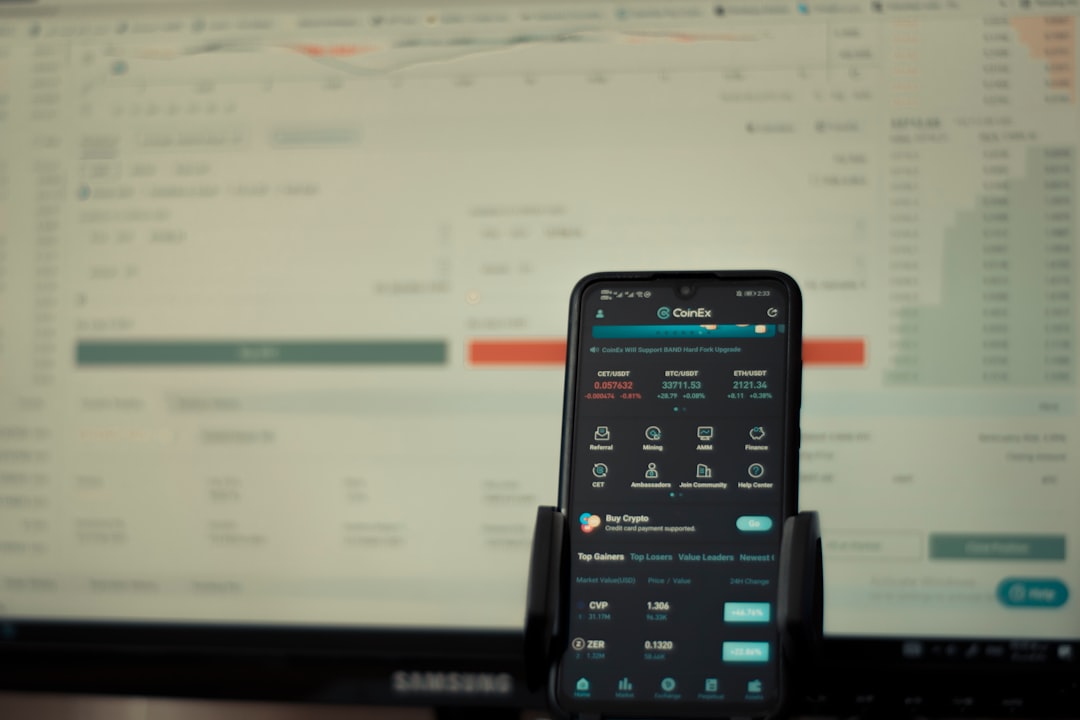
Managing your money effectively has never been more important—or more complicated. Between subscriptions, digital payments, online shopping, and traditional bills, expenses can quickly spiral out of control if you’re not keeping a close eye on them. Fortunately, modern expense management tools make it easier than ever to track, analyze, and optimize your spending with just a few clicks.
TLDR: Expense management tools help you monitor where your money goes, set budgets, and optimize spending through automation and reporting. The best tools combine real-time tracking, integrations with banks, customizable reports, and smart insights. This article explores five powerful expense management platforms and compares their features so you can choose the right one. Whether you’re a freelancer, small business owner, or enterprise leader, there’s a solution tailored to your needs.
Below, we explore five standout tools that can transform the way you handle your finances, followed by a practical comparison chart to help you decide.
1. Expensify
Best for: Small to mid-sized businesses and teams that need automated expense reporting.
Expensify is one of the most recognizable names in expense management. Its intuitive interface and top-tier automation features make expense tracking almost effortless.
Image not found in postmeta
Key Features:
- SmartScan technology that extracts data from receipt photos.
- Automatic credit card import and expense categorization.
- Built-in approval workflows for managers.
- Integration with accounting software like QuickBooks and Xero.
- Reimbursement processing and corporate card reconciliation.
What sets Expensify apart is its ability to minimize manual input. Employees can snap a photo of a receipt, and the system does the rest. For growing teams, this saves significant time while reducing errors.
Why it helps optimize spending: With real-time visibility into employee spending and automated policy enforcement, businesses can quickly identify wasteful habits or policy violations.
2. Mint
Best for: Individuals and households looking to monitor personal finances.
Mint has long been a popular choice for personal budgeting and expense tracking. It connects directly to your bank accounts, credit cards, and investment accounts to give you a comprehensive overview of your financial life.
Key Features:
- Automatic transaction categorization.
- Customizable budget tracking.
- Bill payment reminders.
- Free credit score monitoring.
- Spending trend analysis.
One of Mint’s strengths is its clean and easy-to-understand dashboard. Users can instantly see where their money is going each month.
Why it helps optimize spending: Mint identifies unusual charges and highlights overspending categories, making it easier to adjust your budget before problems snowball.
3. Zoho Expense
Best for: Businesses seeking a cost-effective and customizable solution.
Zoho Expense is part of the broader Zoho ecosystem, known for business software solutions. This tool focuses on automating expense reporting while giving companies strong administrative control.
Image not found in postmeta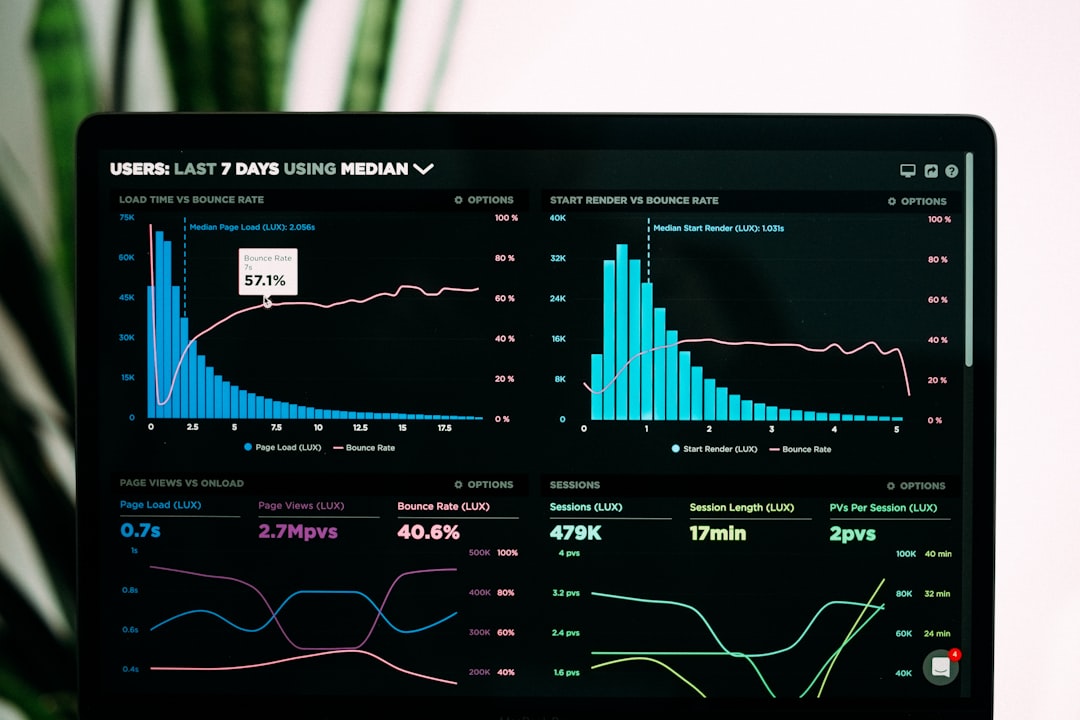
Key Features:
- Multi-level approval workflows.
- Policy compliance tracking.
- Multi-currency support for global businesses.
- Real-time expense reporting.
- Integration with Zoho Books and third-party accounting tools.
Its affordability compared to enterprise-grade competitors makes it especially appealing to startups and growing companies.
Why it helps optimize spending: Managers can analyze department-level expenses and generate custom reports to uncover patterns, enabling smarter budget allocation decisions.
4. YNAB (You Need A Budget)
Best for: Individuals committed to zero-based budgeting.
YNAB isn’t just a tracking tool—it’s a budgeting philosophy. Built around the concept of assigning every dollar a purpose, YNAB helps users plan spending before it happens rather than analyzing it after the fact.
Key Features:
- Zero-based budgeting framework.
- Real-time bank synchronization.
- Goal tracking for savings.
- Detailed educational resources and workshops.
- Debt payoff planning tools.
Unlike more passive tracking tools, YNAB requires active participation. Users must assign incoming money to specific categories, making them more intentional about spending.
Why it helps optimize spending: By proactively allocating funds, users gain better control over discretionary expenses and avoid living paycheck to paycheck.
5. SAP Concur
Best for: Large enterprises with complex travel and expense needs.
SAP Concur is a comprehensive expense, travel, and invoice management platform used by large organizations worldwide. It combines automation with powerful analytics.
Image not found in postmeta
Key Features:
- Integrated travel booking and expense capture.
- Advanced compliance controls.
- Real-time data analytics and reporting.
- Mobile expense submission.
- ERP integrations.
SAP Concur shines in environments where thousands of expense reports need processing monthly. Its scalability is a major advantage.
Why it helps optimize spending: Detailed reporting and corporate compliance tools help large organizations detect fraud, eliminate overspending, and negotiate better vendor contracts based on spending data.
Comparison Chart
| Tool | Best For | Automation Level | Budgeting Features | Business Integrations |
|---|---|---|---|---|
| Expensify | Small to mid-sized businesses | High (receipt scanning and auto reports) | Basic | Strong |
| Mint | Individuals | Moderate | Strong | Limited |
| Zoho Expense | Startups and SMBs | High | Moderate | Strong |
| YNAB | Personal budgeting enthusiasts | Moderate | Very strong (zero-based) | Limited |
| SAP Concur | Large enterprises | Very high | Enterprise-level | Extensive |
How to Choose the Right Expense Management Tool
Selecting the right platform depends on your specific needs. Consider the following factors:
- Scale: Are you managing personal finances or an organization with hundreds of employees?
- Automation: Do you want full automation or hands-on budgeting control?
- Integration: Does the tool sync with your existing banking or accounting systems?
- Reporting: Are advanced analytics essential to your financial planning?
- Cost: Does the pricing model align with your budget?
For individuals, ease of use and budgeting philosophy may matter most. For businesses, automation, compliance, and scalability become critical considerations.
The Bigger Picture: Why Expense Management Matters
Expense tracking isn’t just about cutting costs; it’s about making informed decisions. When you understand your spending patterns, you can:
- Reduce unnecessary subscriptions.
- Negotiate better vendor contracts.
- Identify recurring wasteful habits.
- Improve cash flow forecasting.
- Allocate resources toward growth opportunities.
In both personal and professional contexts, optimized spending leads to stronger financial stability and smarter long-term planning. The clearer your data, the better your decisions.
Final Thoughts
In a world where transactions happen in seconds, staying financially organized requires more than spreadsheets and guesswork. Modern expense management tools offer automation, visibility, and insights that empower users to take control of their finances.
Whether you prefer a hands-on budgeting approach like YNAB, an intuitive personal tracker like Mint, or enterprise-grade powerhouses like SAP Concur, there is a tool designed to fit your goals. The key is finding one that matches your workflow and financial objectives.
When you track intentionally, analyze regularly, and optimize strategically, your expenses stop controlling you—and you start controlling them.