 logo
logo




Some of the most important team decisions do not happen in formal meetings. They happen in hallway conversations, quick chats after a call, shared lunch breaks, Slack threads, or spontaneous “what do you think?” moments. When led well, these informal discussions can strengthen trust, uncover better ideas, and help teams make decisions with more confidence.
TLDR: Informal discussions improve collaboration when they are purposeful, inclusive, and psychologically safe. A good leader guides the conversation without controlling it, encourages different viewpoints, and brings the group toward clear next steps. The goal is not to turn every casual chat into a meeting, but to make everyday conversations more useful, respectful, and decision oriented.
Why Informal Discussions Matter
Formal meetings often come with agendas, roles, time limits, and expectations. Informal discussions, by contrast, feel more relaxed and natural. This is exactly why they are powerful. People may speak more honestly, test unfinished ideas, ask “obvious” questions, or challenge assumptions without feeling like they are disrupting an official process.
These conversations help teams collaborate because they create space for real-time sensemaking. A developer may casually mention a technical risk. A marketer may share customer feedback that has not yet reached a report. A support agent may notice a repeated user complaint. When these insights surface early, teams can make better decisions sooner.
However, informal does not mean unimportant. Without good guidance, casual discussions can become dominated by the loudest voices, drift into gossip, exclude remote colleagues, or lead to unclear decisions. The leader’s role is to keep the conversation open, useful, and fair without making it feel stiff or overmanaged.
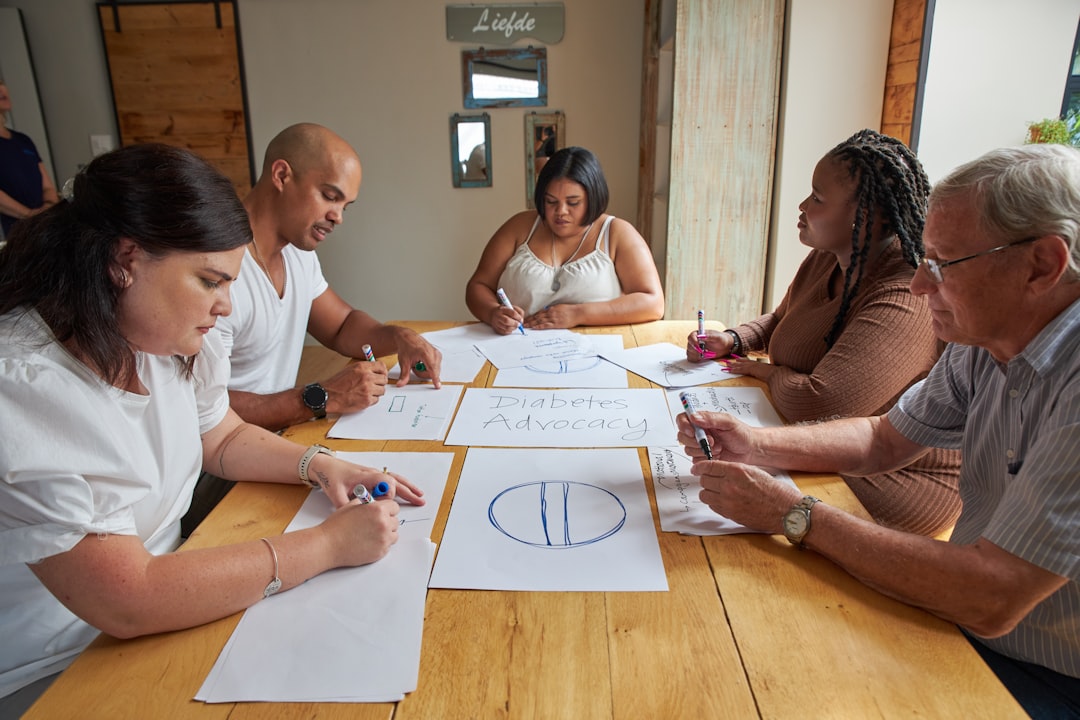
Start With a Light Purpose
The best informal discussions often begin with a simple prompt. You do not need a full agenda, but you do need a reason to talk. A useful opening might sound like:
- “I’d like to hear what people are noticing about this project.”
- “Before we decide, what concerns should we consider?”
- “What feels unclear or risky right now?”
- “Does anyone see a better way to approach this?”
A light purpose helps people understand the conversation’s direction. It also prevents the discussion from becoming a vague exchange of opinions. The goal is to invite contribution, not to announce a decision that has already been made.
Try to frame the topic as a shared problem rather than a personal preference. For example, instead of saying, “I think we should change the launch plan,” say, “The launch plan has a few moving parts. What do we think needs pressure testing?” This small shift encourages collaboration rather than debate.
Create Psychological Safety
Informal discussions only improve decision-making if people feel safe enough to be honest. If team members worry they will be judged, interrupted, or punished for disagreeing, they will stay quiet or simply agree with the strongest opinion in the room.
Leaders can build psychological safety through small but consistent behaviors:
- Listen without rushing. Let people finish their thoughts before responding.
- Reward candor. Say, “That’s useful to know,” especially when someone raises a concern.
- Normalize uncertainty. Use phrases like, “We may not have the full answer yet.”
- Separate ideas from identity. Critique the proposal, not the person who suggested it.
One of the most effective phrases a leader can use is: “What are we missing?” It signals that disagreement is not only allowed but expected. It also reminds the group that better decisions often come from examining blind spots.
Balance Voices in the Conversation
In informal discussions, participation can easily become uneven. Extroverted or senior team members may speak first and most often, while quieter people may hold back even when they have valuable insights. A leader should make room for different voices without putting anyone on the spot in an uncomfortable way.
You might say, “We’ve heard a few perspectives from the product side. I’m curious what the customer success team is seeing.” Or, “Alex, only if you have something to add, I’d be interested in your view since you worked on the previous version.” This approach invites participation while respecting choice.
For hybrid or remote teams, inclusion requires extra care. Informal office conversations can unintentionally exclude people who are not physically present. If a casual discussion affects a decision, summarize it in a shared channel and invite input from those who were not there. Otherwise, informal conversations can create hidden decision paths and reduce trust.

Ask Better Questions
The quality of an informal discussion often depends on the quality of the questions asked. Good questions move the team beyond surface-level opinions and toward clearer thinking.
Useful questions include:
- Clarifying questions: “What do we mean by success here?”
- Evidence questions: “What data or experience supports that?”
- Risk questions: “What could go wrong if we choose this path?”
- Alternative questions: “What is another option we have not considered?”
- Decision questions: “What would help us move from discussion to action?”
Avoid questions that sound like traps, such as “Don’t you think this is the obvious choice?” or “Why would we do it that way?” These tend to make people defensive. Instead, use neutral language that encourages exploration: “Help me understand the reasoning behind that option.”
Keep the Discussion Productive Without Overcontrolling It
Informal discussions should feel natural, but they still benefit from gentle structure. If the conversation drifts, bring it back with a simple comment: “This is helpful, and I want to connect it back to the decision we need to make.” If the group starts circling the same point, summarize what has been said and move forward.
A helpful technique is the pause and recap. After several minutes, say, “Let me check if I’m hearing this correctly. We seem to agree on the goal, but we have two concerns: timing and ownership.” This helps the team see progress and reduces confusion.
Another useful habit is distinguishing between discussion mode and decision mode. In discussion mode, the team explores ideas. In decision mode, the team narrows options and identifies next steps. Many informal conversations fail because people do not know which mode they are in.
Turn Conversation Into Action
A great conversation is not enough. To improve decision-making, informal discussions must lead to clarity. This does not mean every chat needs a formal decision, but it should end with shared understanding.
Before closing, ask:
- “What did we agree on?”
- “What still needs more input?”
- “Who will follow up?”
- “Does this need to be documented or shared more widely?”
Even a short written summary can prevent confusion. For example: “Quick recap from our discussion: we’ll test the simpler onboarding flow first, Priya will gather support feedback by Friday, and we’ll revisit the launch timeline next week.” This turns informal insight into coordinated action.

Watch for Common Pitfalls
Informal discussions can harm collaboration when they become exclusive, unclear, or overly political. Leaders should watch for signs that casual conversations are creating problems instead of solving them.
- Side-channel decisions: Important choices are made without the right people involved.
- Groupthink: Everyone agrees too quickly to avoid tension.
- Dominance: One or two people shape the entire conversation.
- Ambiguity: People leave with different interpretations of what was decided.
- Gossip: The discussion shifts from solving issues to criticizing absent colleagues.
When these patterns appear, address them calmly. You might say, “This sounds important enough that we should include the rest of the group,” or “Let’s focus on the process issue rather than individuals.” Small interventions protect trust.
Lead With Curiosity and Fairness
The best leaders do not use informal discussions to quietly push their own agenda. They use them to learn, connect, and improve the quality of team thinking. This requires curiosity, humility, and fairness.
Be willing to hear information that changes your mind. Show appreciation for thoughtful disagreement. Make sure people understand when a conversation is exploratory and when it is influencing a real decision. Transparency matters because teams quickly notice when “casual input” is actually a disguised approval process.
Informal discussions are where culture is practiced in small moments. Every quick exchange teaches people whether their voice matters, whether disagreement is welcome, and whether decisions are made openly. When leaders guide these conversations with intention, teams become more collaborative, more informed, and more capable of making decisions that last.