 logo
logo



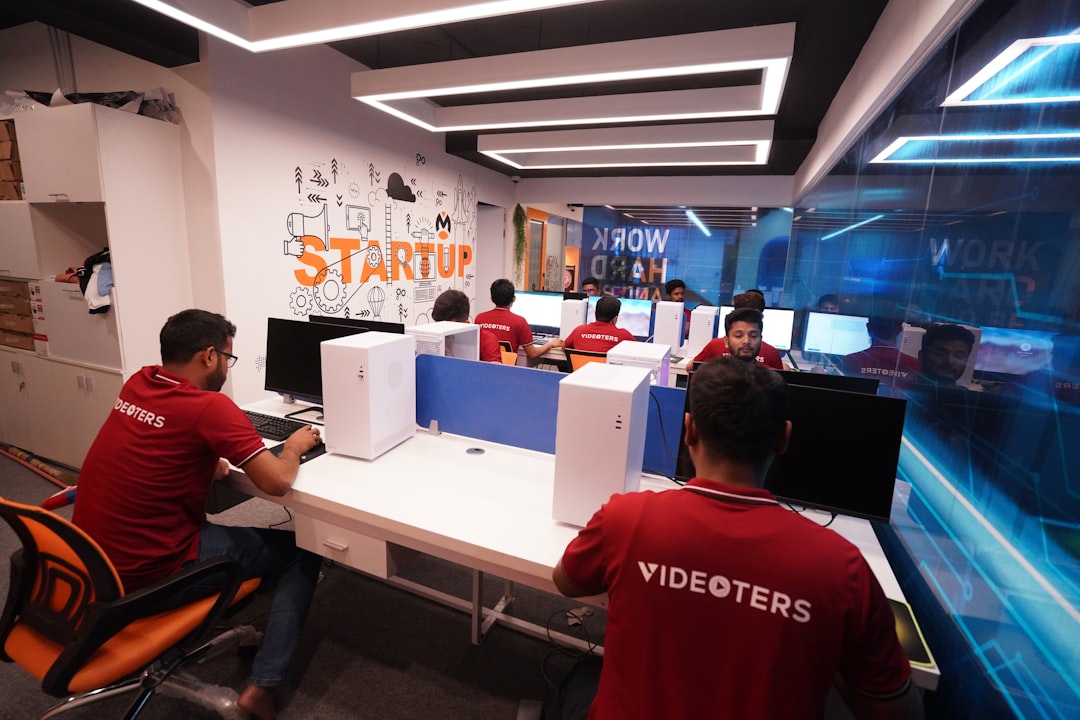
Workplace morale is the emotional temperature of your organization. When morale is high, employees feel valued, motivated, and connected to the company’s mission. When it drops, productivity, creativity, and retention often decline with it. The good news is that morale is not a mystery—it can be improved with consistent, thoughtful actions from leaders and teams.
TLDR: Boosting workplace morale starts with creating a culture where employees feel respected, heard, and supported. The most effective strategies include recognition, clear communication, growth opportunities, flexibility, and strong leadership. Small, consistent improvements often matter more than one-time perks. When employees feel satisfied, they are more likely to stay engaged, perform well, and contribute positively to the organization.

1. Recognize Employees Frequently and Specifically
Recognition is one of the simplest and most powerful ways to improve morale. Employees want to know that their efforts matter, and a generic “good job” is rarely enough. The best recognition is specific, timely, and sincere. Instead of saying, “Thanks for your work,” say, “Your presentation helped the client understand our value clearly, and that made a real difference.”
Recognition does not always need to involve bonuses or awards. Public praise in a team meeting, a handwritten note, or a thoughtful message from a manager can be highly motivating. The key is consistency. When people regularly feel seen, they are more likely to bring energy and commitment to their work.
2. Improve Communication Across the Organization
Poor communication is a major morale killer. Employees become frustrated when decisions feel sudden, expectations are unclear, or information is shared unevenly. Transparent communication builds trust and reduces uncertainty.
Leaders should explain not only what is changing, but also why. Managers should hold regular check-ins, encourage questions, and make sure employees understand priorities. It is also important to create two-way communication channels, such as surveys, town halls, or open office hours. When employees feel informed and included, they are less likely to feel disconnected or anxious.
3. Give Employees More Autonomy
Micromanagement drains morale quickly. Most employees want the freedom to solve problems, make decisions, and take ownership of their work. Autonomy communicates trust, and trust is essential for satisfaction.
To increase autonomy, leaders can focus on outcomes rather than controlling every step of the process. Set clear goals, provide the necessary resources, and allow employees to choose how they accomplish the work. This encourages accountability, creativity, and confidence. Even small freedoms—such as choosing meeting times, organizing workflows, or suggesting project methods—can make employees feel more empowered.
4. Support Growth and Career Development
Employees are more engaged when they can see a future within the organization. If people feel stuck, morale can decline even if the workplace is otherwise positive. Development opportunities show employees that the company is invested in them.
- Offer training: Provide access to courses, workshops, certifications, or internal learning sessions.
- Create career paths: Help employees understand what advancement looks like and how to get there.
- Encourage mentoring: Pair less experienced employees with colleagues who can guide and support them.
- Discuss goals regularly: Career conversations should happen more than once a year.
When employees are learning and progressing, they are more likely to feel energized and loyal.

5. Promote Work Life Balance
Burnout is one of the biggest threats to morale. Employees cannot stay enthusiastic if they are constantly exhausted. A healthy work life balance helps people perform sustainably rather than simply pushing harder until they disengage.
Organizations can support balance by encouraging reasonable working hours, respecting time off, and avoiding unnecessary after-hours communication. Flexible schedules or hybrid work options can also make a major difference. Importantly, leaders should model the behavior they want to see. If managers never take breaks or vacations, employees may feel pressured to do the same.
6. Build a Culture of Psychological Safety
Psychological safety means employees feel comfortable speaking up, sharing ideas, admitting mistakes, and asking for help without fear of embarrassment or punishment. This is essential for morale because people cannot thrive in an environment where they feel judged or unsafe.
Leaders can create psychological safety by listening without interrupting, responding calmly to problems, and treating mistakes as learning opportunities. Team members should be encouraged to challenge ideas respectfully and contribute diverse perspectives. A workplace where people can be honest is usually more innovative, resilient, and satisfying.
7. Strengthen Team Connection
People are more likely to enjoy work when they feel connected to their colleagues. Team connection does not require forced fun or constant social events. In fact, the best team-building efforts often feel natural and inclusive.
Consider activities that help employees collaborate and understand one another better:
- Short team lunches or coffee chats
- Volunteer days or community projects
- Cross-department learning sessions
- Celebrations for milestones and achievements
- Informal “show and tell” sessions about projects or hobbies
The goal is to create genuine relationships, not distractions. Stronger relationships improve communication, reduce conflict, and make work feel more meaningful.
8. Make Compensation and Benefits Fair
Morale is difficult to sustain if employees feel underpaid or unfairly treated. While money is not the only factor in satisfaction, compensation and benefits are foundational. Employees need to believe that their contributions are recognized in a practical way.
Organizations should regularly review pay equity, market competitiveness, and benefit relevance. Benefits might include health coverage, retirement contributions, paid leave, wellness support, childcare assistance, or professional development budgets. If budget limitations exist, transparency matters. Employees may not love every answer, but they generally appreciate honesty more than silence.

9. Train Managers to Lead with Empathy
Managers have a direct and powerful impact on morale. Many employees do not leave companies—they leave poor managers. A technically skilled manager who lacks empathy can create stress, confusion, and disengagement.
Effective managers know how to listen, coach, give feedback, set expectations, and support employees through challenges. They notice when someone is overwhelmed and respond with curiosity rather than criticism. Empathetic leadership does not mean avoiding accountability; it means holding people accountable while treating them with respect.
Companies should train managers in communication, conflict resolution, inclusive leadership, and performance coaching. When managers are better equipped, employee satisfaction often improves across the entire organization.
How to Make Morale Efforts Last
One-time perks may create a temporary boost, but lasting morale comes from everyday culture. Free snacks, parties, or casual Fridays can be enjoyable, but they cannot compensate for poor leadership, unclear expectations, or chronic overwork. The most successful organizations focus on consistent habits that make employees feel valued over time.
Start by measuring morale honestly. Use anonymous surveys, stay interviews, and open conversations to understand what employees actually need. Then prioritize a few meaningful changes instead of trying to fix everything at once. Most importantly, communicate progress. If employees share feedback and nothing happens, trust can erode. If leaders act on feedback, morale improves because people see that their voices matter.
Final Thoughts
Boosting morale is not about creating a perfect workplace. It is about building a culture where employees feel respected, supported, and motivated to do their best work. Recognition, communication, autonomy, growth, balance, safety, connection, fair rewards, and empathetic leadership all contribute to stronger employee satisfaction.
When organizations invest in morale, the benefits reach far beyond happier employees. Teams become more productive, collaboration improves, turnover decreases, and customers often receive better service. In the end, workplace morale is not just an HR concern—it is a business advantage.