 logo
logo




Your home should feel like a calm little bubble. Your office should feel like a place where ideas can bounce around safely. But sometimes, a tiny hidden listening device can ruin that feeling. The good news is simple: you do not need to be a spy to check for one. You just need patience, sharp eyes, and a plan.
TLDR: Start with a slow visual search. Look for strange objects, wires, holes, or items that seem out of place. Use your phone, a flashlight, and a radio frequency detector if needed. If you find something suspicious, do not touch it too much. Take photos and call a professional if the situation feels serious.
1. Start with the “Something Feels Weird” Scan
Most hidden listening devices are small. Some are very tiny. But they still need a place to hide. So begin with a simple walk around the room.
Look for anything that feels new, moved, or odd. Trust your brain. It is very good at noticing small changes, even when you cannot explain them right away.
- Is there a new clock on the wall?
- Is a pen sitting in a strange spot?
- Is a smoke detector placed in an odd corner?
- Is a power strip suddenly facing the wrong way?
Check shelves, desks, lamps, plants, picture frames, chargers, and gifts. Hidden devices often hide in everyday objects. That is their whole trick.

2. Use a Flashlight Like a Detective
A flashlight is cheap. It is simple. It is also very useful.
Turn off the room lights. Shine the flashlight slowly across surfaces. Use an angle, not a straight beam. This helps you spot tiny lenses, small holes, glossy parts, or uneven edges.
Pay close attention to:
- Air vents
- Smoke alarms
- Electrical outlets
- Bookshelves
- Under desks
- Behind wall art
- Inside decorative items
A listening device may have a small microphone opening. It can look like a pinhole. It may also have a tiny screw that does not match the others. If something looks slightly wrong, mark the spot and inspect it later.
3. Listen for Buzzing, Clicking, or Static
This method sounds funny, but it works sometimes. Make the room quiet. Turn off music, fans, and loud devices. Then listen.
Some cheap listening devices make tiny sounds. They may buzz. They may click. They may create faint static. Move slowly around the room and listen near outlets, lamps, clocks, and electronics.
Do not expect a big “spy movie” sound. Real clues are usually small. A strange hum from a device that should be silent is worth checking.
Also note devices that are warm when they should be cool. A hidden transmitter needs power. Power can create heat.
4. Check Common Hiding Places
Hidden listening devices love boring places. Why? Because people ignore boring things.
Start with objects that have power. These are popular hiding spots because the device can run longer.
- Phone chargers
- USB hubs
- Power banks
- Extension cords
- Desk lamps
- Alarm clocks
- Wi Fi routers
- Smart speakers
Then check objects that have open space inside.
- Plant pots
- Tissue boxes
- Wall clocks
- Picture frames
- Decorative boxes
- Stuffed toys
- Loose ceiling tiles
In an office, check meeting rooms first. People place listening devices where private talks happen. Boardrooms, manager offices, and reception areas are common target zones.
5. Use Your Phone for a Basic Clue Hunt
Your phone is not a magic bug detector. But it can help.
First, check for strange Bluetooth devices. Open your Bluetooth settings. Look for names you do not recognize. A mystery device nearby does not prove anything. But it is a clue.
Next, scan the Wi Fi list. Look for odd network names. Some hidden devices connect to Wi Fi. Again, this is not final proof. But it helps you build a picture.
You can also use your phone camera to look for infrared light. Some devices use infrared, especially cameras. In a dark room, open the camera app and look around slowly. If you see a strange glowing dot on screen, inspect that area.
Tip: Some phone cameras block infrared better than others. Try the front camera too.

6. Try the Radio Trick
This old trick is not perfect. But it is fun and sometimes helpful.
Get a small portable radio. Tune it to an empty AM or FM frequency. You want static, not a clear station. Walk around the room slowly. Move the radio near outlets, shelves, lamps, and suspicious objects.
If the static changes sharply near one item, it may be reacting to a signal or electronics. This does not always mean there is a listening device. Many normal gadgets create interference. Still, it gives you a place to check.
Think of it like a metal detector at the beach. Sometimes you find treasure. Sometimes you find a bottle cap.
7. Use an RF Detector
An RF detector is a tool that finds radio frequency signals. Many wireless listening devices send signals. An RF detector can help locate them.
Before you scan, turn off common wireless devices if possible. This includes routers, laptops, tablets, smart TVs, and Bluetooth speakers. The more signals you remove, the easier it is to spot the strange ones.
Then move slowly around the room. Hold the detector near objects and walls. Watch for spikes. If the detector goes wild near a clock, charger, or outlet, inspect that item.
Cheap detectors can be useful, but they can also be dramatic. They may react to normal electronics. Better detectors give clearer results. For serious cases, hire a professional sweep team.
8. Inspect Wires, Outlets, and Fixtures Carefully
Some devices are wired. They do not always send a radio signal. That makes them harder to find with basic tools.
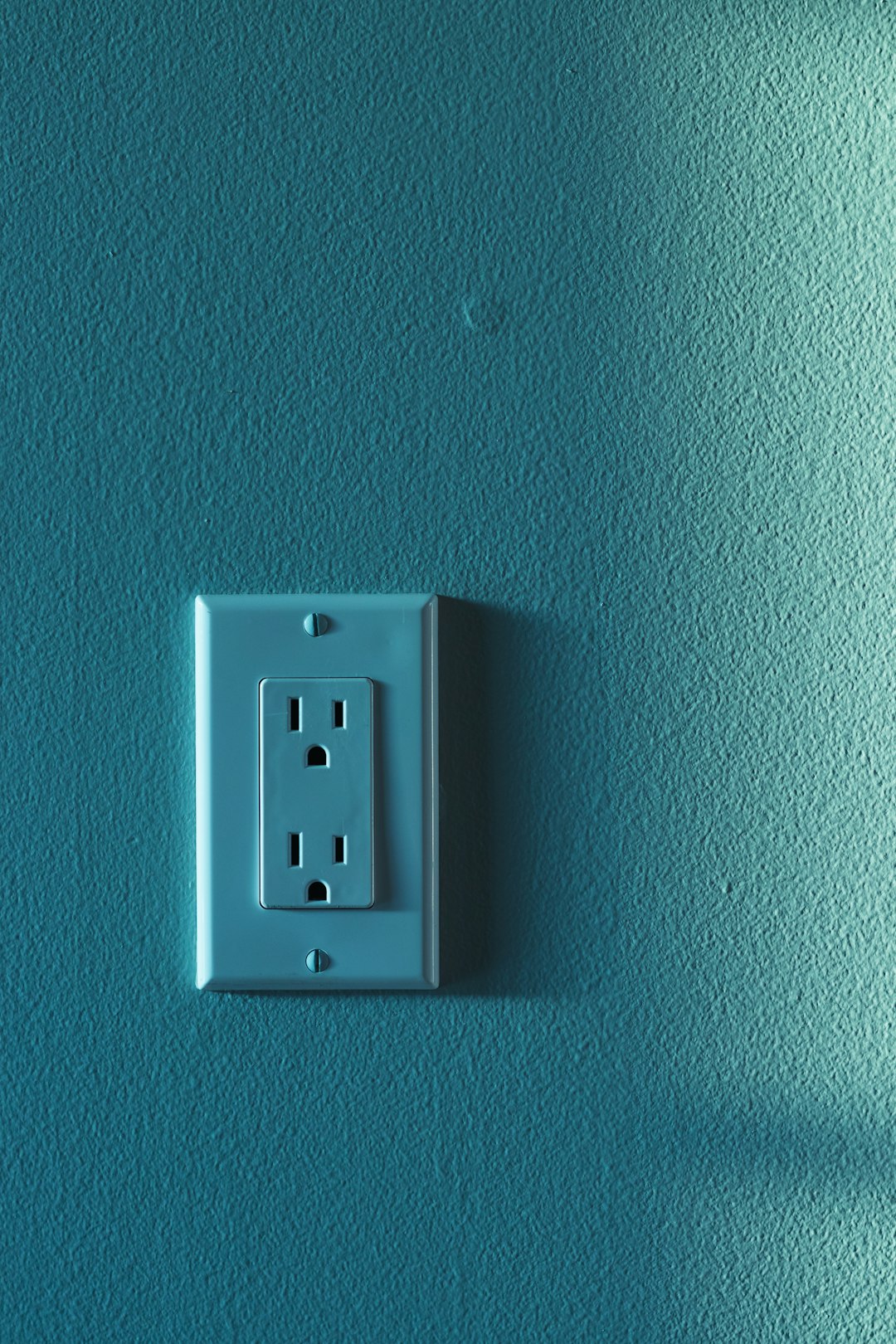
Look for loose outlet covers, fresh scratches, mismatched screws, or cables that go nowhere. Check under desks and behind furniture. Look near phone lines, network ports, and ceiling fixtures.
Do not take apart electrical outlets unless you know what you are doing. Electricity is not a toy. It bites.
If you see a suspicious wire or device inside a wall plate, stop. Take a photo. Call a licensed electrician or security professional.
What to Do If You Find Something
Do not panic. Also, do not smash it with a shoe, even if that sounds satisfying.
Follow these steps:
- Take photos of the object and where you found it.
- Do not handle it much. Fingerprints and placement may matter.
- Write down the date and time of discovery.
- Leave the room if you think someone is listening live.
- Contact a professional for a full sweep.
- Call local authorities if you feel threatened or unsafe.
How to Prevent Future Snooping
Prevention is easier than panic. Keep private rooms tidy. Fewer objects mean fewer hiding places. Check gifts and unknown electronics before placing them in sensitive areas.
In offices, create a simple security routine. Inspect meeting rooms before major talks. Limit access to private spaces. Keep a log of maintenance visits. Change Wi Fi passwords often. Update smart devices.
For very sensitive conversations, go low tech. Meet in a clean room. Leave phones outside. Use white noise. Keep the room simple. A boring room is a safer room.
Final Thoughts
Finding hidden listening devices is not about being paranoid. It is about being aware. Most weird objects are harmless. Most static is just static. But a careful check can protect your privacy and your peace of mind.
Use your eyes first. Use tools second. Use professionals when needed. And remember: the best detective is not always the one with fancy gadgets. Sometimes it is the one who notices that the office plant suddenly has a USB cable.