 logo
logo




Retail marketing automation sounds fancy. It is not. It is simply using smart tools to do repetitive marketing work for you. Think emails, texts, product reminders, loyalty offers, ads, and customer follow-ups. It is like hiring a tireless helper who never forgets a birthday coupon.
TLDR: Retail marketing automation helps stores save time, sell more, and talk to customers at the right moment. The best tools handle email, SMS, loyalty, ads, customer data, and product recommendations. Start small, use clean data, and create simple customer journeys. Then test, improve, and let the robots do the boring stuff.
What Is Retail Marketing Automation?
Retail marketing automation is the use of software to send the right message to the right shopper at the right time. It can work for online stores, physical stores, or both.
For example, a shopper adds sneakers to their cart but leaves. Your system sends a friendly reminder. Maybe it adds a small discount. The shopper comes back. The sneakers find a new home. Everyone wins.
Automation can also welcome new customers, promote seasonal sales, suggest products, and reward loyal shoppers. It works while your team sleeps, eats, or tries to survive Monday.
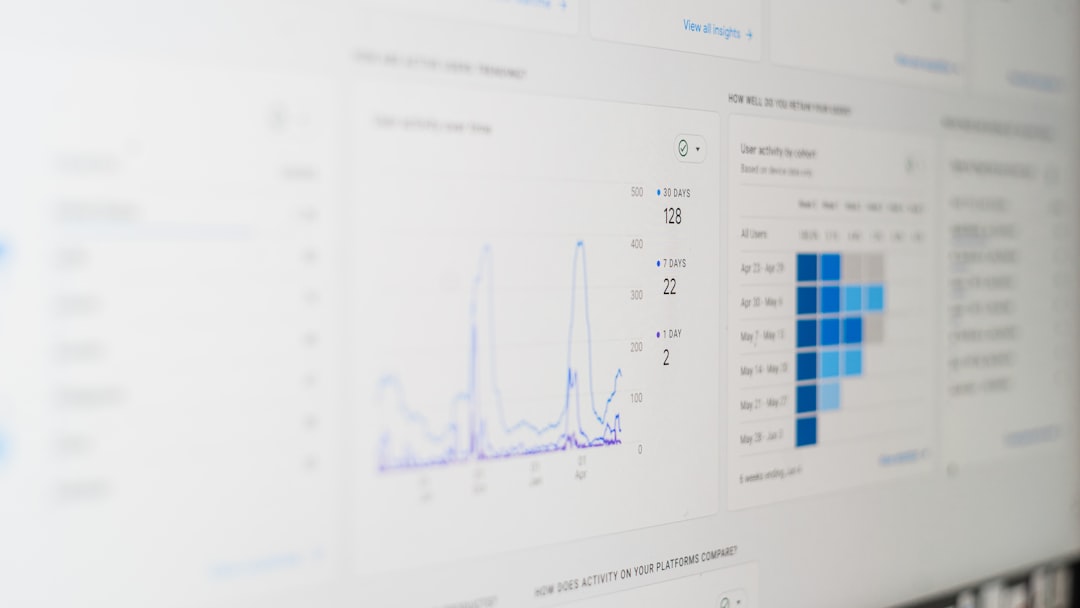
Why Retailers Need Automation
Retail moves fast. Customers compare prices in seconds. Trends change overnight. Your team cannot manually chase every shopper. Automation helps you keep up.
Here are the big benefits:
- It saves time. No more sending every email by hand.
- It boosts sales. Timely reminders bring shoppers back.
- It improves customer loyalty. People like useful, personal messages.
- It reduces mistakes. The system follows the rules you set.
- It gives better data. You can see what works and what flops.
In simple terms, automation helps you act less like a megaphone and more like a helpful shop assistant.
Best Types of Retail Marketing Automation Tools
You do not need every tool under the sun. That would be chaos with a monthly bill. Start with the tools that match your goals.
1. Email Marketing Automation
Email is still a retail superstar. It is cheap, flexible, and great for repeat sales. Tools like Klaviyo, Mailchimp, Omnisend, and ActiveCampaign help retailers build automated email flows.
Useful email automations include:
- Welcome emails for new subscribers.
- Abandoned cart emails for shoppers who leave items behind.
- Post-purchase emails with care tips or related products.
- Win-back emails for customers who have gone quiet.
- Birthday emails with a surprise offer.
Keep emails short. Use clear buttons. Show products people actually care about. Nobody wants a winter coat offer after buying beach sandals.
2. SMS and WhatsApp Automation
Text messages get noticed fast. That is good. But use them carefully. A helpful text feels great. Too many texts feel like a clingy raccoon.
Tools like Attentive, Postscript, Yotpo SMS, and Twilio can automate messages for sales, shipping updates, and cart reminders.
Best SMS uses include:
- Flash sale alerts.
- Back in stock notices.
- Order updates.
- Loyalty rewards.
- Limited time coupons.
Always get consent. Also make it easy to unsubscribe. Trust is worth more than one quick sale.
3. Customer Data Platforms
A customer data platform, or CDP, collects customer information in one place. It can include website visits, purchases, email clicks, store visits, and loyalty activity.
Tools like Segment, Bloomreach, Insider, and Salesforce Data Cloud help retailers understand shoppers better.
This matters because better data creates better automation. If you know someone buys running gear, you can send running socks. If they buy baby items, you can send age-based product tips. Smart, not spooky.

4. Loyalty and Referral Automation
Loyalty programs are perfect for automation. Customers earn points. They get rewards. They come back. You smile at the revenue chart.
Tools like LoyaltyLion, Smile.io, Yotpo Loyalty, and ReferralCandy can automate points, VIP tiers, referral codes, and reward emails.
Make rewards easy to understand. “Spend $100, get $10” is clear. “Earn 47 sparkle coins toward a mystery level” is not.
5. Ad Automation
Retail ads can also be automated. Platforms like Google Ads, Meta Ads, TikTok Ads, and Pinterest Ads let you create retargeting campaigns.
Retargeting shows ads to people who visited your site or viewed products. Dynamic ads can show the exact items they looked at. It is like saying, “Hey, remember this jacket?” But with pixels.
Use ad automation to:
- Bring back product viewers.
- Promote bestsellers.
- Find similar shoppers.
- Support seasonal campaigns.
6. Product Recommendation Tools
Product recommendations are the “you may also like” magic of retail. These tools suggest items based on browsing, buying, or similar customer behavior.
Platforms like Nosto, Dynamic Yield, Algolia Recommend, and built-in ecommerce features can help.
Use recommendations on product pages, in emails, at checkout, and after purchase. A shopper buying a camera may need a memory card. A person buying coffee beans may need filters. Helpful suggestions feel natural.
Smart Strategies for Retail Marketing Automation
Tools are only half the story. Strategy is the other half. A shiny tool with no plan is just an expensive dashboard.
Start With One Customer Journey
Do not automate everything on day one. Pick one journey. The best place to start is usually the welcome series or abandoned cart flow.
A simple welcome series can look like this:
- Email 1: Say hello and share your brand story.
- Email 2: Show bestsellers or customer favorites.
- Email 3: Offer a first purchase discount.
Simple is good. Simple gets launched.
Segment Your Customers
Segmentation means grouping customers by behavior or traits. Do not send the same message to everyone. That is like serving soup with a tennis racket.
Useful retail segments include:
- First time buyers.
- Repeat customers.
- High spenders.
- Discount lovers.
- Browsers who never buy.
- Customers by category interest.
Segments help you send more relevant offers. Relevant offers get more clicks.
Personalize, But Do Not Be Weird
Personalization works best when it is useful. Use names, product interests, sizes, locations, and purchase history. But avoid messages that feel too intense.
Good: “Your favorite skincare item is back in stock.”
Weird: “We saw you staring at this serum at 11:43 p.m.”
Be helpful. Be human. Do not be a shopping ghost.
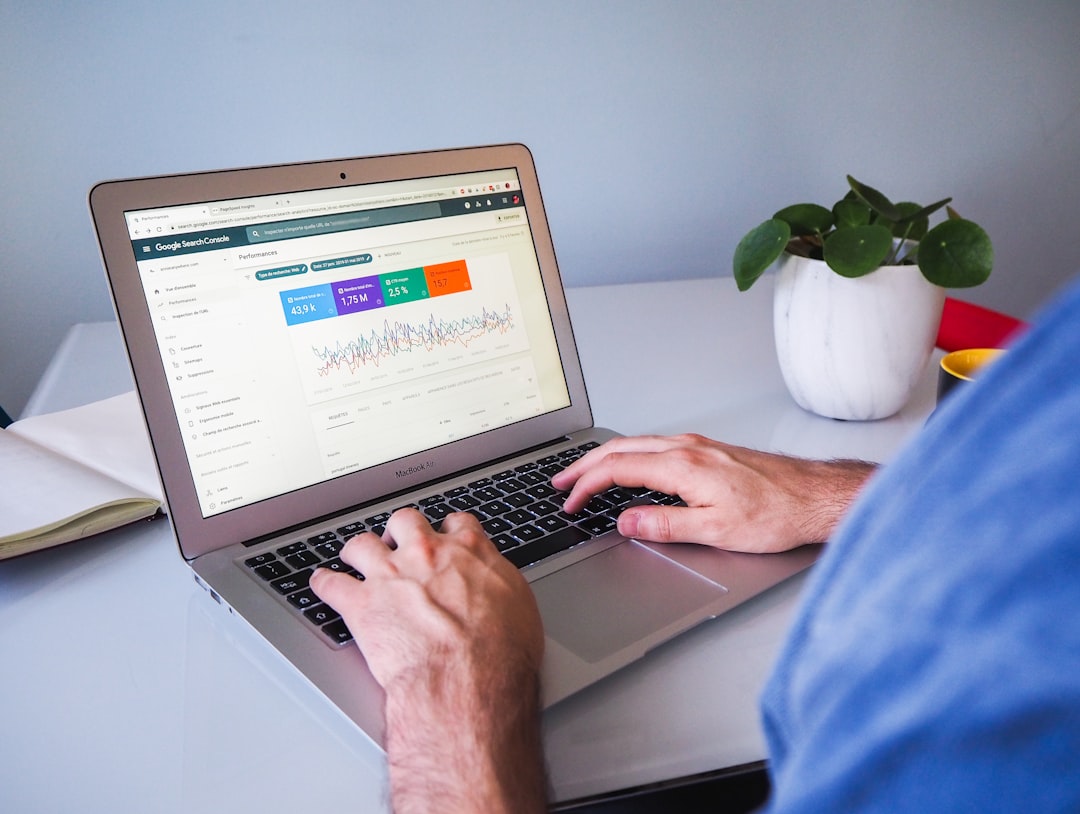
Use Triggers
Triggers start automations based on customer actions. They are powerful because timing matters.
Common triggers include:
- New signup.
- Cart abandoned.
- Product viewed.
- Purchase made.
- No purchase for 90 days.
- Loyalty points earned.
Trigger-based messages usually perform better than random campaigns. They respond to what the customer is doing right now.
Test and Improve
Automation is not “set it and forget it forever.” It is “set it, watch it, tweak it, and celebrate with snacks.”
Test subject lines, offers, send times, images, and calls to action. Look at open rates, click rates, conversion rates, and revenue. Keep what works. Fix what does not.
Common Mistakes to Avoid
Automation can go wrong if you rush. Avoid these classic traps:
- Sending too often. More messages do not always mean more money.
- Using messy data. Bad data creates bad personalization.
- Ignoring mobile. Many shoppers read messages on phones.
- Forgetting store shoppers. Connect online and offline data when possible.
- Making discounts the only strategy. Use value, education, and exclusivity too.
Final Thoughts
Retail marketing automation is not about replacing people. It is about giving your team superpowers. The tools handle the repeat tasks. Your team focuses on ideas, creativity, service, and growth.
Start small. Pick the right tool. Build one strong automation. Then add more as you learn. Before long, your store will feel smarter, faster, and more personal. And your marketing team may finally have time for lunch.