 logo
logo



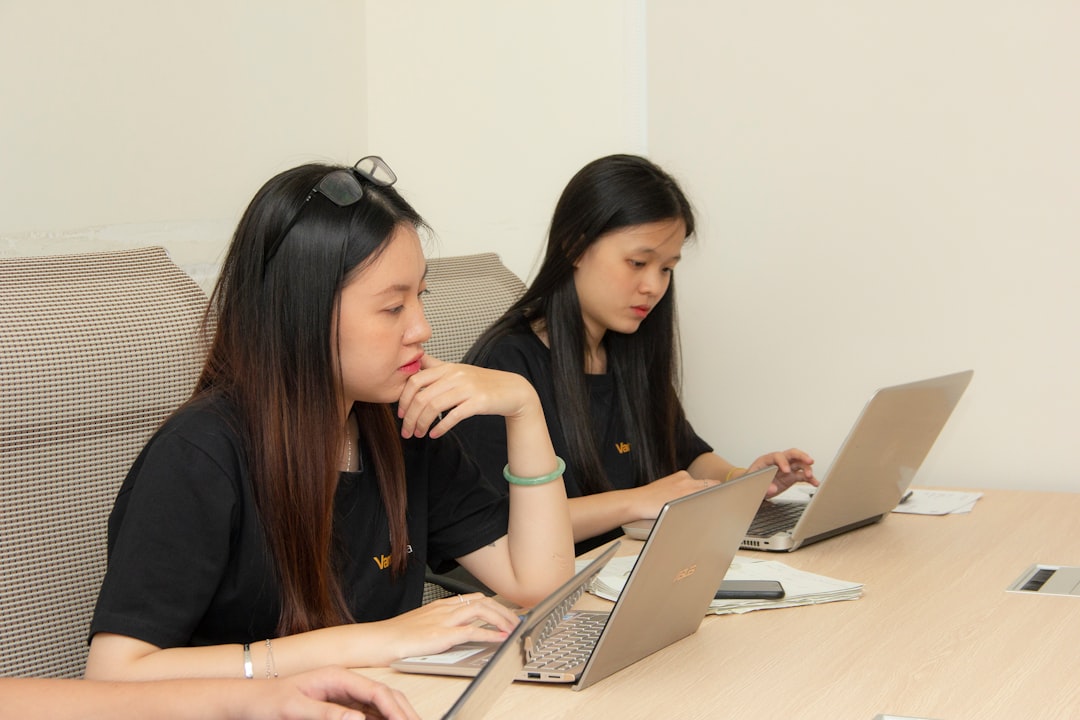
Education is changing fast. Screens are now classrooms. Algorithms are tutors. Learning no longer waits for a bell to ring. AI-powered education platforms are reshaping how we study, practice, and grow. They promise learning that fits your life, not the other way around.
TLDR: AI-powered education platforms adapt to you. They learn how you learn. They offer faster feedback, flexible schedules, and smarter content. For many learners, they feel more personal and more effective than traditional courses.
So, what makes AI-powered education platforms different? And why do so many people prefer them over traditional classrooms? Let’s break it down in a simple way.
They Learn About You
Traditional courses teach one lesson to many people. Everyone gets the same pace. The same examples. The same tests.
AI platforms work differently. They watch how you learn. They notice what you click. They track where you struggle. They remember what you already know.
This means the platform can:
- Slow down when you are confused.
- Speed up when you are confident.
- Repeat lessons in new ways.
- Skip content you have already mastered.
It feels personal. Like a private tutor. Except it is always available.

They Fit Your Schedule
Life is busy. Work. Family. Friends. Rest.
Traditional courses often demand fixed hours. Miss a class and you fall behind. Ask for help and you wait.
AI-powered education platforms are flexible. Very flexible.
You can learn:
- Early in the morning.
- Late at night.
- During a lunch break.
- On a weekend.
Ten minutes matters. You can study in small bites. Progress still counts.
This flexibility helps people who were once left out. Parents. Full-time workers. Caregivers. Night owls.
Feedback Is Instant
In traditional courses, feedback can be slow. You submit homework. Days pass. Sometimes weeks.
AI platforms respond instantly.
Answer a question. Get feedback now. Make a mistake. See why it happened.
This matters because learning is fragile. If feedback comes too late, the moment is gone.
AI systems can:
- Explain errors right away.
- Suggest extra practice instantly.
- Change difficulty on the spot.
You learn faster. You stay motivated.
They Use Data, Not Guesswork
Teachers do their best. But they cannot see inside every mind.
AI platforms rely on data. Lots of it.
They study patterns across millions of learners. They know which explanations work. They know where people usually fail.
This allows them to:
- Improve lessons over time.
- Remove confusing content.
- Add better examples.
Every learner helps improve the system. And the system helps every learner.
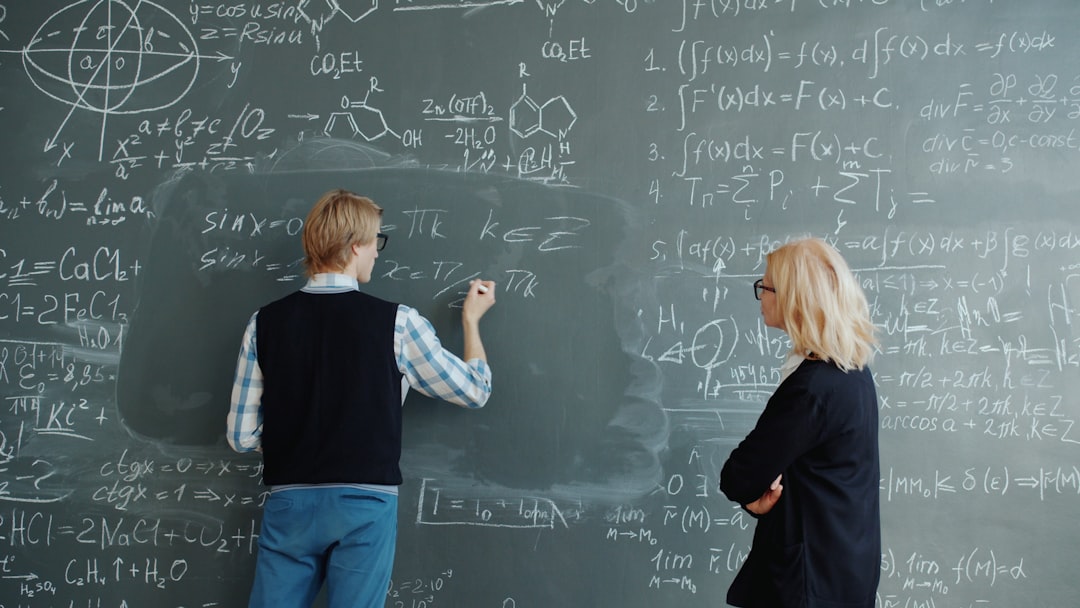
Content Feels More Alive
Textbooks can feel dry. Lectures can feel long.
AI-powered platforms mix things up.
You might see:
- Short videos instead of long lectures.
- Interactive quizzes instead of static tests.
- Simulations instead of plain explanations.
Some platforms even use AI tutors that chat with you. You ask questions in plain language. You get answers that make sense.
This makes learning feel less scary. More like a conversation.
They Reduce Pressure and Fear
Classrooms can feel intimidating. Raise your hand. Speak up. Risk being wrong.
AI platforms create a safe space.
You can make mistakes privately. No judgment. No embarrassment.
This encourages experimentation. And experimentation leads to real learning.
When fear goes down, curiosity goes up.
They Support Many Learning Styles
Not everyone learns the same way.
Some people like visuals. Some prefer text. Others learn by doing.
AI-powered platforms can offer:
- Videos for visual learners.
- Audio for listeners.
- Hands-on tasks for doers.
The platform notices what works for you. Then it uses more of that style.
Traditional courses struggle to do this at scale. AI does it naturally.

They Scale Quality Education
Great teachers are rare. And often expensive.
AI-powered education platforms can reach millions. One great system can help students around the world.
This helps with:
- Access in remote areas.
- Lower learning costs.
- Consistent quality.
Education becomes less about location. More about intention.
They Encourage Lifelong Learning
Traditional education often ends with a diploma.
AI platforms encourage constant growth.
You can learn a new skill today. Upgrade it next year. Refresh it later.
This matches modern careers. Jobs change. Skills expire. Learning must continue.
AI platforms are always updating. New lessons appear as industries evolve.
Are Traditional Courses Still Useful?
Yes. Of course.
Human interaction matters. Mentorship matters. Community matters.
But traditional courses are not perfect. They can be rigid. Slow. Expensive.
AI-powered education platforms do not replace teachers. They support them. They handle repetition. They handle scale.
This frees humans to do what they do best. Inspire. Guide. Connect.
The Real Power Is the Blend
The future is not AI versus classrooms.
The future is hybrid.
Imagine:
- Teachers using AI insights to help students.
- Students practicing with AI between classes.
- Learning that adapts both online and offline.
This blend offers the best of both worlds.
Final Thoughts
AI-powered education platforms feel better than traditional courses for many reasons. They are flexible. Personal. Fast. Supportive.
They meet learners where they are. Not where a schedule says they should be.
Learning becomes less about pressure. More about progress.
And that makes education feel exciting again.
