 logo
logo



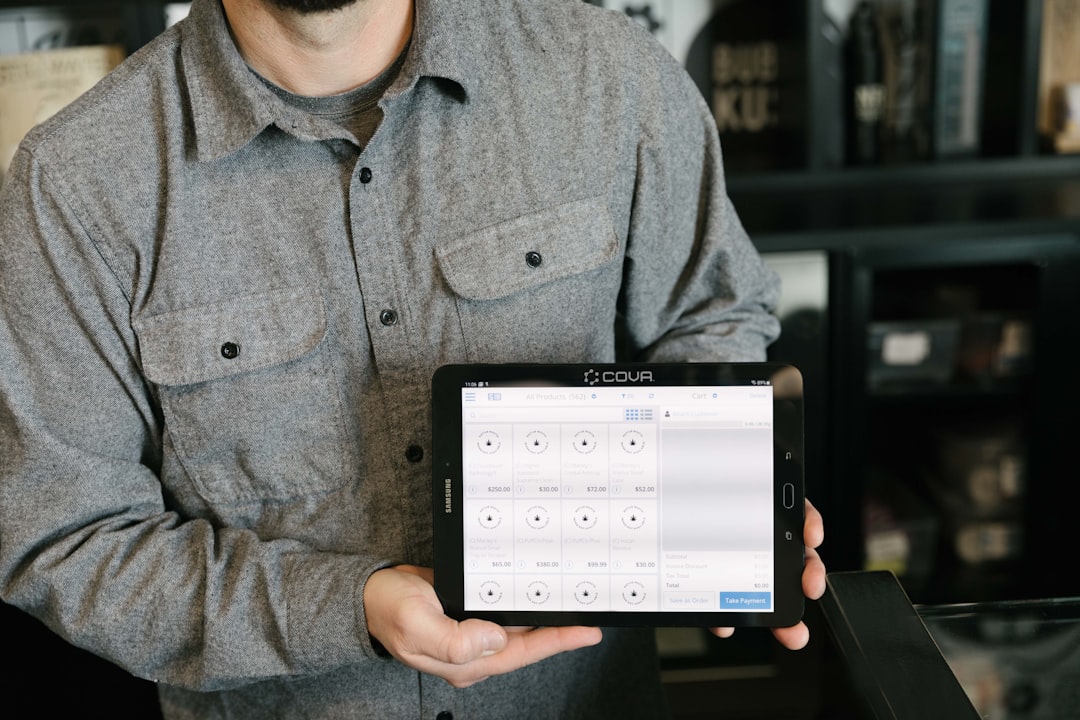
Home inspection software has moved from being a convenience to a daily operating system for many inspection businesses. The best platforms now combine mobile checklists, photo annotation, report writing, scheduling, online payments, templates, and client delivery in one workflow. For solo inspectors, the priority is speed and affordability; for multi-inspector firms, it is consistency, automation, and team visibility.
TLDR: The best home inspection software depends on how an inspection company works, but Spectora, HomeGauge, Home Inspector Pro, and Palm-Tech are among the most widely used options. For example, an inspector who saves 20 minutes per report across 15 inspections per month can recover about 5 hours monthly, which may be enough time to book another inspection. Newer tools with automation, cloud delivery, and client portals can reduce back-office tasks by an estimated 15% to 30% for busy teams.
How the Tools Were Compared
Each tool below is compared based on practical inspection needs: ease of report writing, mobile performance, customization, client presentation, scheduling, integrations, pricing value, and suitability for solo or team use. No single platform is perfect for every inspector, so the best choice often depends on inspection volume, reporting style, and business maturity.

9 Best Home Inspection Software Tools Compared
1. Spectora
Spectora is one of the most popular modern platforms for residential home inspectors. It is known for attractive, web-based reports, strong mobile performance, automated client communications, and built-in payment features. Inspectors who want a polished client experience often favor Spectora because reports feel easy to read and share.
Best for: Solo inspectors and growing companies that want modern digital reports.
Potential drawback: Some inspectors may need time to adapt templates to their preferred language and style.
2. HomeGauge
HomeGauge is a long-standing name in the inspection industry. It offers report writing, cloud storage, agreement management, online payments, and buyer-friendly report delivery. Its broad industry recognition can be useful for inspectors who work with real estate agents familiar with the platform.
Best for: Inspectors who want an established platform with strong reporting and business features.
Potential drawback: The interface may feel less lightweight than newer app-first tools.
3. Home Inspector Pro
Home Inspector Pro is appreciated for its deep customization and flexible report templates. It supports desktop and mobile workflows, photo management, videos, diagrams, and cloud-based delivery. Inspectors who want control over report structure, wording, and branding often find it appealing.
Best for: Inspectors who value customization and detailed report control.
Potential drawback: Setup may take longer for users who want a ready-to-go experience.
4. Palm-Tech
Palm-Tech focuses on fast report creation and an efficient inspection workflow. It includes templates, prewritten comments, photo handling, and delivery tools. Its layout is designed to help inspectors move through systems logically, from roofing and exterior areas to plumbing, electrical, HVAC, and interiors.
Best for: Inspectors who want a clear, report-centered workflow.
Potential drawback: It may not feel as visually modern as some cloud-native competitors.
5. ReportHost
ReportHost is a cloud-based inspection reporting platform known for simplicity and affordability. It does not try to be an all-in-one business management suite. Instead, it keeps the focus on building and delivering solid inspection reports online.
Best for: Budget-conscious inspectors who need straightforward reporting.
Potential drawback: It may lack some advanced scheduling, automation, or marketing features found in premium tools.

6. Tap Inspect
Tap Inspect is designed around speed and mobile usability, especially for inspectors working from iPads or iPhones. Its clean workflow helps inspectors capture findings, add photos, and produce reports without unnecessary complexity. It is often favored by professionals who want to complete reports quickly after leaving the property.
Best for: Mobile-first inspectors who prefer a simple, fast app experience.
Potential drawback: It may not offer the same level of advanced business automation as larger platforms.
7. Horizon Inspection Software
Horizon combines home inspection reporting with business tools such as scheduling, agreements, payments, and client communication. It is designed to help inspectors manage the entire inspection process from booking to final report delivery. Its reporting system emphasizes clarity and professional presentation.
Best for: Inspectors who want reporting plus operational management in one system.
Potential drawback: Smaller operators may not need every feature immediately.
8. Inspector Nexus
Inspector Nexus is built for customizable reporting and field efficiency. It supports mobile inspections, comment libraries, photos, and branded reports. Its flexibility can be useful for inspectors who perform multiple inspection types, such as residential, commercial, pool, or ancillary services.
Best for: Inspectors who need flexible templates for different service lines.
Potential drawback: As with many customizable tools, initial setup can require careful planning.
9. Inspectify
Inspectify is somewhat different from traditional reporting software because it also supports inspection marketplace, coordination, and enterprise workflows. It can be useful for firms, property technology companies, and teams that manage inspections at scale. Its platform focuses on streamlining scheduling, operations, and standardized inspection data.
Best for: Larger teams, enterprise users, and companies handling higher inspection volume.
Potential drawback: Independent inspectors who only need report writing may find it more than necessary.
Quick Comparison Table
| Software | Strongest Feature | Best Fit |
|---|---|---|
| Spectora | Modern client-friendly reports | Solo and growing firms |
| HomeGauge | Established reporting ecosystem | Traditional inspection businesses |
| Home Inspector Pro | Deep customization | Detail-oriented inspectors |
| Palm-Tech | Efficient report workflow | Residential inspectors |
| ReportHost | Simple cloud reporting | Budget-conscious users |
| Tap Inspect | Mobile speed | iPad and iPhone users |
| Horizon | Business management tools | Operators wanting automation |
| Inspector Nexus | Flexible templates | Multi-service inspectors |
| Inspectify | Scaled inspection operations | Teams and enterprise users |
What Inspectors Should Look For
The right home inspection software should reduce friction, not add another administrative burden. Inspectors should evaluate whether the tool works well on-site, handles weak internet connections, and allows fast photo placement. A good system should also produce reports that clients can understand without diluting technical accuracy.
- Mobile usability: The app should be reliable during roof, attic, crawlspace, and exterior inspections.
- Report clarity: Reports should highlight defects, safety issues, summaries, and recommended actions.
- Customization: Comment libraries, templates, and branding should match the inspector’s standards.
- Automation: Scheduling, agreements, reminders, and payments can save hours each month.
- Scalability: Multi-inspector teams need permissions, shared templates, and quality control.

Which Software Is Best Overall?
For many modern residential inspectors, Spectora is a strong overall choice because it balances report design, mobile tools, client experience, and business automation. HomeGauge remains a dependable option for inspectors who prefer an established platform, while Home Inspector Pro stands out for customization. For inspectors who want simplicity, Tap Inspect and ReportHost can be practical, lean options.
The best decision usually comes after a trial inspection. An inspector should test how quickly a sample property can be documented, how easily photos can be added, and how the final report looks to a buyer or agent. If the software saves time in the field but creates extra editing work later, it may not be the right fit.
FAQ
What is home inspection software?
Home inspection software helps inspectors create digital reports, add photos, use comment libraries, manage agreements, schedule jobs, collect payments, and deliver findings to clients.
What is the best home inspection software for solo inspectors?
Spectora, Tap Inspect, ReportHost, and Home Inspector Pro are strong options for solo inspectors. The best choice depends on whether the inspector values modern presentation, speed, low cost, or customization most.
Which software is best for multi-inspector companies?
Spectora, HomeGauge, Horizon, and Inspectify are often better suited for teams because they provide stronger business workflows, scheduling features, and scalable operations.
Does home inspection software work offline?
Some platforms offer offline or limited-connectivity functionality, while others depend more heavily on cloud access. Inspectors should confirm offline performance before relying on a tool in rural areas or properties with poor signal.
Is paid home inspection software worth it?
For most active inspectors, paid software is worth it if it saves reporting time, improves client communication, and reduces missed details. Even a few hours saved per month can justify the cost for a busy inspection business.