 logo
logo




As the complexity of search engine optimization (SEO) grows alongside the sheer volume of data handled by digital marketers, the need for intelligent, efficient, and scalable solutions becomes more pressing than ever. This is where programming languages like Python step in, offering powerful tools to automate tasks, analyze trends, and streamline SEO efforts.
TLDR
Python is a powerful ally in the world of SEO, offering automation capabilities that save time and provide deeper insights. It can handle everything from keyword research and backlink analysis to technical audits and data scraping. This guide explores various ways in which Python scripts can be employed to automate and enhance your SEO strategies. Whether you’re a developer, SEO specialist, or data analyst, you’ll find Python a valuable addition to your toolkit.
Why Use Python for SEO?
Python is an interpreted, high-level programming language known for its simplicity and readability. For SEO professionals, this means you don’t have to be a full-time developer to leverage its capabilities. Python brings the following benefits to SEO:
- Automation: Eliminate repetitive tasks such as checking broken links or extracting metadata from thousands of pages.
- Scalability: Analyze massive datasets quickly and efficiently.
- Integration: Combine data from different APIs (Google Analytics, Search Console, Ahrefs, etc.) into unified reports.
- Visualization: Present data clearly with libraries like Matplotlib and Plotly.
Common SEO Tasks You Can Automate with Python
Below are some of the most popular use cases for using Python in SEO workflows:
1. Web Scraping for Keyword and Competitor Analysis
One of the most time-consuming tasks in SEO is gathering and comparing data from competitor websites. Python’s BeautifulSoup and Scrapy libraries excel at crawling web pages and extracting valuable information like:
- Meta tags (title, description)
- Headers (H1, H2, etc.)
- Keyword usage
- Content length and structure
This kind of information allows you to optimize your own pages more effectively.

2. Monitoring Website Health and Broken Links
Keeping your website technically sound is key to maintaining high search engine rankings. Manual checks can miss broken links or slow-loading pages. Python can be used to build scripts that crawl your website, test page speed, check for 404 errors, and even validate schema markup. The Requests and HTTPX libraries can help here along with lxml for parsing HTML content.
3. Automating Google Search Console and Analytics Reports
You don’t need to log into your Google Search Console every morning. Python’s Google API client allows you to extract performance data such as:
- Clicks, impressions, and CTR over time
- Top-performing pages
- Search queries that bring traffic
You can build scripts that automatically gather this data, format it in an Excel/CSV format, and email it to your clients or team.
4. Log File Analysis
Server log data tells you exactly how search engines are crawling your site. With Python, you can write scripts to analyze raw logs and determine:
- Which pages get crawled most frequently
- If there are ignored/redirected pages
- The frequency of crawl errors
This level of insight is critical to maintaining an efficient crawl budget and ensuring that Google is indexing the right pages.
5. Generating and Validating Sitemaps
A dynamic Python script can crawl your website, pull recent URLs, and create an updated sitemap without manual effort. Need the sitemap to validate before submitting to Google Search Console? Use Python to check for:
- Invalid URLs
- Proper formatting
- Supported media types
This helps keep your site search-engine-friendly at all times.
Popular Python Libraries for SEO
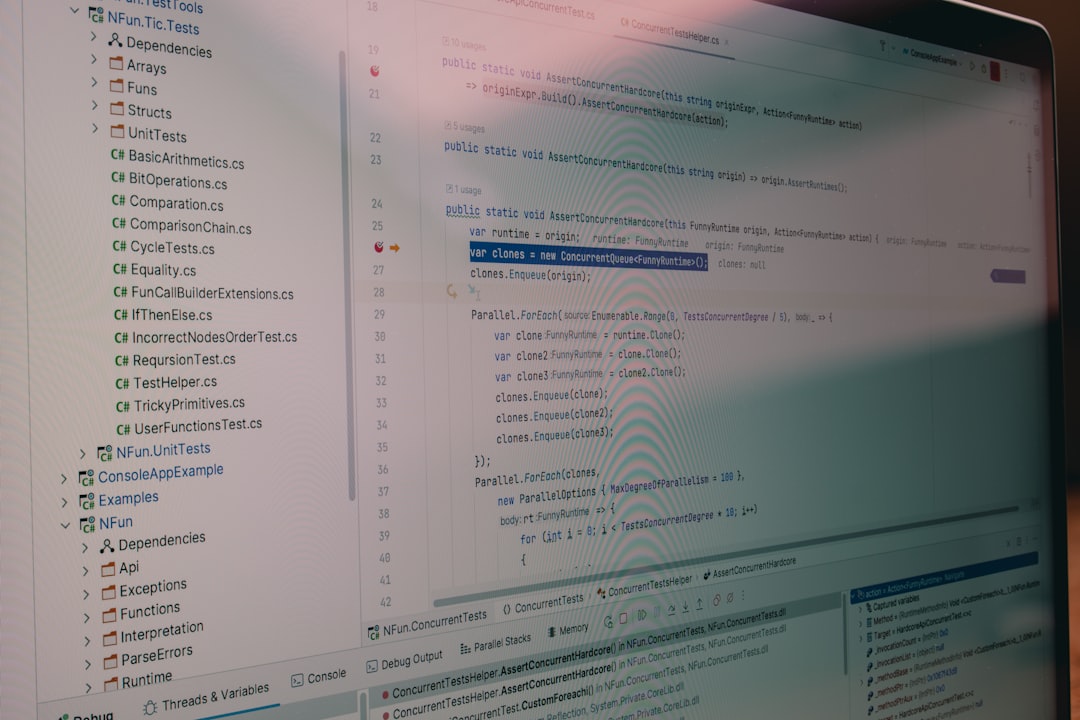
To succeed in automating SEO workflows with Python, you’ll need the right set of tools. Here are some of the go-to Python libraries in the SEO world:
- Requests: For making HTTP requests and downloading web pages.
- BeautifulSoup & lxml: For web scraping and parsing HTML/XML documents.
- Pandas: For manipulating and analyzing structured data (e.g., CSV, Excel, JSON).
- Selenium: For automating browser tasks—great for testing JavaScript-heavy websites.
- Matplotlib/Plotly: For data visualization and reporting.
- Google API Client: For extracting data from GSC, Analytics, and other Google tools.
- Scrapy: A robust framework for handling large-scale scrapers.
How to Get Started: A Mini Example
Let’s say you want to check the status codes of a list of URLs from your website. Here’s a basic Python script to get you started:
import requests

urls = ['https://example.com', 'https://example.com/about', 'https://example.com/contact']
for url in urls:
    try:
        response = requests.get(url)
        print(f"{url} returned {response.status_code}")
    except requests.exceptions.RequestException as e:
        print(f"Failed to reach {url}: {e}")
You can use this framework to scale up: pull URLs from your sitemap, schedule it to run weekly, and send alerts if critical pages return non-200 status codes.
Building Dashboards with Python
Reporting is an essential part of SEO campaigns. With Python, you can build custom dashboards using tools like Dash (built on top of Plotly) to show KPIs, trends, and anomalies in a visual format. You can even connect your dashboard with live API data from Search Console and Analytics to keep reports always up to date.
Real-World Case Studies
- E-commerce Sites: Python scripts have been used to audit product pages, flag missing meta descriptions, and check for duplicate content.
- Local SEO: Marketers use Python to scrape NAP (Name, Address, Phone) consistency across citation sites.
- Content Portals: Editorial teams have utilized Python to analyze which types of content receive the most organic traffic over time.
Tips for Better Python SEO Scripts
To ensure your scripts are both effective and maintainable:
- Comment your code generously: Don’t assume your future self will remember everything. Clear comments help when updating scripts later.
- Use version control (Git): Keep track of changes and collaborate easily with others.
- Respect robots.txt: Always obey site rules during scraping to avoid permission issues.
- Handle errors gracefully: Websites go down, structures change—your script should continue running and log these issues.
- Test on a small scale first: Always dry-run on a few pages before scaling to your whole site.
Future of Python in SEO
As AI and machine learning continue to evolve, SEO tools built with Python are becoming smarter. We’re seeing advanced models that can predict rankings, classify content gaps, and suggest optimization strategies based on data trends. With seamless integration with APIs and expanding machine learning libraries like scikit-learn and TensorFlow, Python is set to play an even bigger role in automating and future-proofing SEO strategies.
Conclusion
In a world where time is money and data is power, Python provides the ultimate toolkit for automating, scaling, and optimizing SEO efforts. From daily health checks and Google Search Console integrations to content audits and reporting, the possibilities are endless. Whether you’re just starting or a seasoned pro, adding Python to your SEO arsenal opens the door to faster, smarter, and more strategic decision-making.
So why wait? Start scripting your way to better search rankings today.