 logo
logo


Vishing means voice phishing, while smishing means SMS phishing, and both are scams designed to make you act before you think. Vishing uses phone calls or voice messages. Smishing uses text messages, chat apps, or short mobile alerts. The goal is usually the same: steal passwords, payment details, one-time codes, or access to your accounts.
TLDR: Vishing is a scam by phone call; smishing is a scam by text message. A typical case might look like this: you receive a text saying your bank card is locked, then a “support agent” calls within 3 minutes to ask for your verification code. In 2023, the FBI’s Internet Crime Complaint Center received more than 880,000 complaints about cybercrime, with losses above $12.5 billion, and phishing remained one of the most reported crime types. Treat surprise calls and texts as suspicious, especially when they ask for money, passwords, or codes.
What Does Vishing Refer To?
Vishing is phishing carried out through voice communication. The scammer may call you directly, leave a voicemail, or use an automated robocall. Many vishing attacks now spoof caller ID, so the call may appear to come from your bank, tax office, delivery company, hospital, employer, or a local number.
The script is usually built around fear or urgency. You may hear that your account has been hacked, your package is stuck, your tax payment failed, or your card was used in another city. Then comes the request. The caller wants you to “confirm” sensitive data, install a remote access app, transfer money, or read out a one-time password.
The annoying part? Some calls sound polished. Scammers use hold music, fake extension numbers, background office noise, and even copied greetings from real companies. It can take only 30 seconds for a convincing caller to make a normal person doubt their own judgment.
What Does Smishing Refer To?
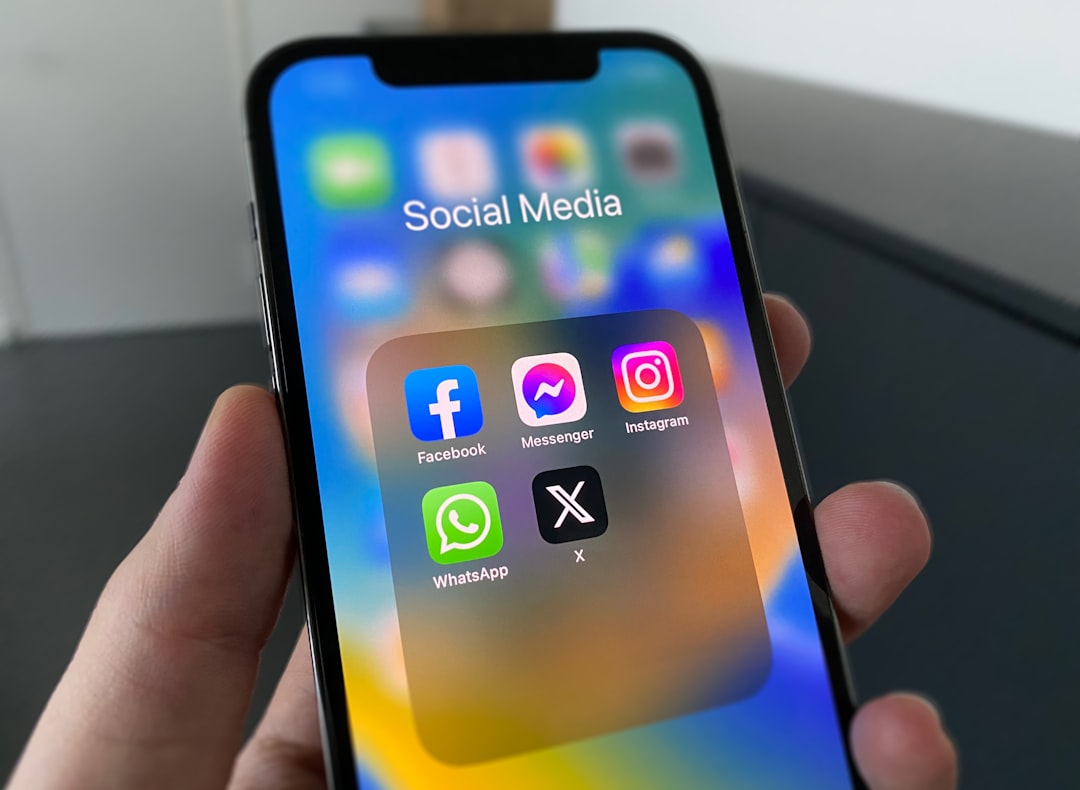
Smishing is phishing sent through SMS or mobile messaging. The word combines “SMS” and “phishing.” The message often includes a link, phone number, or short instruction. It may claim to be from a bank, courier, toll service, streaming platform, government office, or online store.
Smishing messages are short by design. They are made to be tapped fast. A common example is: “Your parcel could not be delivered. Pay $1.99 to reschedule.” Another is: “We detected a login attempt. Verify your account now.” The link may lead to a fake login page that looks almost identical to the real one.
Smishing also works well because phones feel personal. People check texts while walking, shopping, commuting, or half-awake in bed. That tiny screen hides long web addresses, and messages from scammers can appear in the same thread as genuine alerts if sender IDs are spoofed.
Vishing vs Smishing: The Main Difference
The simplest difference is the channel:
- Vishing: Uses calls, voicemails, or automated voice systems.
- Smishing: Uses SMS, mobile texts, or messaging apps.
But the deeper difference is how each scam pressures you. Vishing uses conversation. A human voice can interrupt your thinking, answer objections, and push you harder. Smishing uses convenience. One tap can send you to a fake site before you stop to question it.
| Type | How it arrives | Common trick | Typical request |
|---|---|---|---|
| Vishing | Phone call or voicemail | Fake support agent or authority figure | Read a code, transfer money, install an app |
| Smishing | Text message or chat alert | Fake link or urgent account warning | Tap a link, enter login details, pay a small fee |
Why These Scams Work So Well
Both scams exploit normal human habits. People trust caller ID. People skim texts. People react fast when money, work, family, or legal trouble is mentioned. Scammers know this. They build messages around panic and quick relief.
They also use timing. A fake delivery text is more believable after you ordered something online. A fake bank call feels real after a fraud alert. A fake HR message may work on payday. Honestly, it feels like scammers are always one step ahead of your calendar.
Another problem is that real companies often send short, vague alerts too. A legitimate text might say, “Click here to review your account.” That trains users to do exactly what scammers want. It drives me crazy that some real services still send links that look suspicious, then expect customers to spot fraud perfectly.
Common Signs of Vishing
Vishing calls often share clear warning signs. Watch for these:
- Urgency: “You must act now or your account will close.”
- Threats: “Police will be notified” or “your benefits will stop.”
- Secrecy: “Do not tell anyone about this call.”
- Code requests: They ask for a one-time password or authentication code.
- Payment pressure: They demand gift cards, crypto, wire transfers, or instant payment apps.
- Remote access: They ask you to install software so they can “fix” your device.
A real bank or government agency will not ask you to read out a login code or move money to a “safe account.” If a caller does that, hang up.
Common Signs of Smishing
Smishing messages can be harder to judge because they are so brief. Still, there are patterns:
- Strange links: The web address is shortened, misspelled, or slightly altered.
- Small payment traps: The message asks for a tiny fee to release a package or restore service.
- Generic greetings: “Dear customer” instead of your name.
- Poor timing: A delivery alert arrives when you did not order anything.
- Unusual sender: The number is random, international, or not tied to the company.
- Account panic: “Your account is suspended” with a link to “verify.”
Do not trust a link because the message uses a familiar logo or company name. Those are easy to copy.
A Short Scenario: How Both Scams Combine
Imagine Emma receives a text at 8:42 a.m. It says her debit card was used for a $742 purchase and asks her to reply “NO” if she did not approve it. She replies. Two minutes later, her phone rings. The caller says he is from the bank’s fraud team.
He already knows the last four digits of her phone number and her city. That makes him sound credible. He tells Emma he will stop the charge, but first she must read the six-digit code sent to her phone. That code is actually for logging into her account. If she reads it out, the scammer may get access.
This is a classic combined attack. The smishing text starts the panic. The vishing call finishes the theft.
How to Protect Yourself
Use a simple rule: stop, verify, then act. Do not respond through the number, link, or button provided in the message. Use the official app, printed card, saved bookmark, or phone number from the company’s real website.
- Never share one-time codes. They are for you only.
- Let unknown calls go to voicemail. Scammers hate losing control of the moment.
- Do not tap links in surprise texts. Open the official app instead.
- Turn on multifactor authentication. Use an authenticator app where possible.
- Set account alerts. Real-time alerts can help you spot actual fraud.
- Report suspicious texts. In many countries, you can forward them to 7726.
- Block and delete. Do not argue with scammers.
What to Do If You Already Responded
If you clicked a link, gave a code, or shared details, act fast. Change the affected password from a trusted device. Contact your bank using the official number. Freeze or monitor cards if payment details were exposed. If remote access software was installed, disconnect from the internet and get the device checked.
Also report the incident. Your report may help carriers, banks, and security teams block the next wave. Save screenshots, phone numbers, call times, and transaction details.
The Bottom Line
Vishing and smishing are two versions of the same trick: fake trust, real pressure, fast theft. Vishing talks you into a mistake. Smishing gets you to tap into one. The safest response is boring but effective: pause, verify through a trusted source, and never share codes or passwords with anyone who contacts you first.