 logo
logo




Organizations that rely on web data collection, competitive intelligence, cybersecurity research, and large-scale automation face a persistent challenge: detection and blocking. Modern websites deploy sophisticated defense systems that identify unusual traffic patterns, fingerprint devices, and blacklist suspicious IP addresses. Without a robust proxy infrastructure, operations can quickly grind to a halt. Rotating proxy software platforms have emerged as essential tools for maintaining continuity, anonymity, and scalability in data-driven operations.
TLDR: Rotating proxy infrastructure platforms help organizations avoid IP bans and detection by continuously cycling residential, mobile, or datacenter IP addresses. The best platforms combine large IP pools, intelligent rotation logic, anti-fingerprinting tools, and compliance-focused management features. This article examines four professional-grade solutions designed to prevent blocking while maintaining performance and reliability. A comparison chart is included to help decision-makers evaluate the right fit.
Before examining specific platforms, it’s important to understand why rotating proxy infrastructure is necessary in today’s highly defended web ecosystem.
Why Rotating Proxy Infrastructure Is Critical
Modern anti-bot systems use multiple detection layers, including:
- IP reputation scoring
- Behavioral analysis
- Browser fingerprinting
- Rate limiting and anomaly detection
- CAPTCHA and JavaScript challenges
Static proxies are no longer sufficient. Once flagged, an IP address can be permanently blocked across entire networks. Rotating proxy platforms mitigate this risk by:
- Automatically cycling IP addresses per request or session
- Distributing traffic across wide geographic regions
- Supporting residential and mobile IP pools
- Providing session controls to mimic organic user behavior
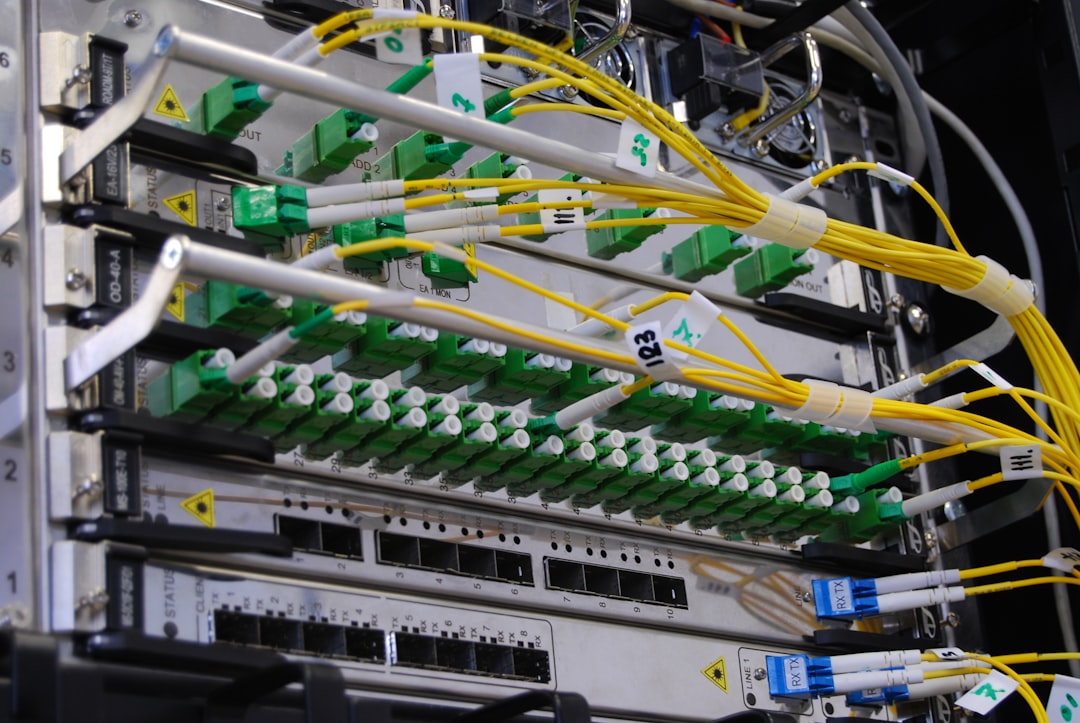
At the enterprise level, proxy infrastructure software must go beyond simple IP rotation. It must include advanced routing logic, detailed analytics, compliance safeguards, and integration capabilities that support automation frameworks and scraping tools.
1. Bright Data Proxy Infrastructure
Bright Data is widely recognized as one of the most comprehensive enterprise-grade proxy network platforms available today. Designed for large-scale, high-reliability operations, it provides access to an extensive proxy ecosystem.
Key Infrastructure Features
- Residential, ISP, datacenter, and mobile proxies
- Advanced rotation rules (per request or sticky session)
- Real-time network performance monitoring
- Automatic IP replacement for blocked endpoints
- Integrated scraping browser and API tools
One of Bright Data’s strengths is its granular control. Administrators can configure rotation intervals, geolocation targeting, ASN targeting, and session persistence. This enables teams to optimize traffic patterns based on target website sensitivity.
Additionally, its compliance framework is robust. Enterprises operating in regulated environments often favor Bright Data for its transparent sourcing policies and structured data governance model.
Best suited for: Large enterprises, data aggregation firms, cybersecurity researchers, and global market intelligence teams.
2. Oxylabs Rotating Proxy Network
Oxylabs offers a premium rotating proxy infrastructure platform focused on stability, automation readiness, and AI-assisted routing optimization. Its network includes millions of residential and mobile IPs across numerous geographic regions.
Core Capabilities
- AI-powered proxy selection engine
- Automatic retry and intelligent failover
- Country, city, and carrier-level targeting
- Web Unblocker tool for bypassing complex defenses
- High throughput API for large-scale operations

Oxylabs differentiates itself through its machine learning optimization layer. Rather than rotating blindly, its infrastructure can learn from failed requests and adjust routing behavior dynamically. This reduces detection rates while improving response consistency.
The platform also integrates easily into automation stacks using REST APIs and supports high concurrency environments without significant latency degradation.
Best suited for: Enterprises running high-volume web scraping, travel fare monitoring, price intelligence, and ad verification systems.
3. Smartproxy (Decodo) Rotating Infrastructure
Smartproxy, recently rebranded in some markets as Decodo, offers a balance between enterprise-grade performance and mid-market accessibility. It provides a large rotating proxy pool without the steep configuration overhead associated with some top-tier enterprise platforms.
Main Advantages
- Automatic IP rotation with sticky session options
- Residential and mobile proxy pools
- User-friendly dashboard and reporting
- Pre-built scraping APIs
- Predictable pricing structures
Smartproxy’s infrastructure focuses on ease of deployment. Its dashboard allows teams to assign endpoints, configure geographic targeting, and monitor performance metrics without advanced networking experience.
While it may not offer the same degree of AI-based optimization as Oxylabs or the compliance depth of Bright Data, it provides reliable rotation that effectively prevents common IP bans and blocks.
Best suited for: Mid-sized businesses, growth-stage startups, ecommerce intelligence teams, and agencies requiring scalable but manageable proxy infrastructure.
4. NetNut Rotating ISP Proxy Platform
NetNut takes a different architectural approach by emphasizing ISP-based residential proxies rather than peer-to-peer residential networks. This design offers improved stability and lower latency under certain workloads.
Infrastructure Highlights
- ISP-direct residential IP allocation
- Rotating and static session options
- Low latency routing paths
- Dedicated account management
- Real-time usage analytics

Because NetNut’s IPs originate from ISP infrastructure rather than end-user devices, sessions tend to be more stable. This makes the platform particularly effective for login-based environments and account-centered automation.
The system supports configurable rotation logic and automatic IP cycling to reduce fingerprint consistency. For businesses requiring a blend of stability and anonymity, NetNut offers a focused alternative to broader proxy marketplaces.
Best suited for: Account management automation, financial data monitoring, and workflows requiring longer session persistence.
Platform Comparison Chart
| Platform | Proxy Types | Rotation Intelligence | Geographic Targeting | Ease of Use | Ideal For |
|---|---|---|---|---|---|
| Bright Data | Residential, ISP, Datacenter, Mobile | Advanced rule-based rotation | Country, City, ASN | Moderate to Advanced | Large Enterprise Operations |
| Oxylabs | Residential, Datacenter, Mobile | AI-driven optimization | Country, City, Carrier | Advanced | High-Volume Data Collection |
| Smartproxy | Residential, Mobile | Standard rotation with sticky sessions | Country, City | High | SMB and Growth Teams |
| NetNut | ISP Residential | Stable rotation with session control | Country, City | Moderate | Account-Based Automation |
Key Factors When Selecting a Rotating Proxy Platform
No single provider is ideal for every organization. Decision-makers should evaluate:
- Scale Requirements: Number of requests per minute and concurrency limits.
- Target Website Complexity: Presence of advanced bot mitigation systems.
- Session Persistence Needs: Short bursts vs. long authenticated sessions.
- Compliance and Transparency: Particularly critical for regulated industries.
- Latency Thresholds: Time-sensitive data collection requirements.
Additionally, teams should conduct controlled pilot tests before full deployment. Real-world performance can vary depending on industry, target domains, and scraping frameworks used.
Preventing Detection Requires More Than Just Rotation
It is important to emphasize that rotating IP addresses alone does not guarantee invisibility. Modern detection systems also analyze:
- Browser fingerprint consistency
- TLS signatures
- Request timing patterns
- Header configuration anomalies
- Cookie behavior irregularities
Organizations should pair rotating proxy infrastructure with:
- Headless browser management tools
- Fingerprint randomization systems
- Realistic traffic interval modeling
- CAPTCHA solving integration when ethically and legally appropriate
The most resilient operations treat proxy infrastructure as one component within a broader evasion-aware architecture.
Final Considerations
Rotating proxy infrastructure software platforms have become indispensable for businesses operating in competitive, data-intensive digital environments. As anti-bot defenses grow more advanced, static networks and simplistic rotation tools rapidly lose effectiveness.
Bright Data, Oxylabs, Smartproxy, and NetNut each represent credible, serious solutions with proven infrastructure. Their differences lie in scale capacity, optimization intelligence, ease of use, and architectural philosophy.
For enterprises seeking maximum control and regulatory assurance, Bright Data and Oxylabs provide high-performance ecosystems. For accessible scaling with minimal operational overhead, Smartproxy presents a pragmatic solution. For stability-centered ISP routing, NetNut offers a focused and reliable infrastructure model.
Selecting the right platform ultimately depends on operational maturity, risk tolerance, and long-term scalability goals. With proper configuration and responsible usage, rotating proxy infrastructure can significantly reduce detection risk, prevent blocking, and enable stable, uninterrupted digital operations.