 logo
logo



In the last decade, the rise of artificial intelligence (AI) has dramatically reshaped industries, workflows, and the structure of many workplaces. Business leaders, governments, and employees around the world are keenly observing how AI systems are shifting the employment landscape. While AI promises innovation and efficiency, it also raises critical questions about job displacement, ethical deployment, and the future of human labor.
TL;DR: AI is already replacing and transforming many roles within the modern workforce. While it boosts productivity and cuts operational costs, it also causes job displacement in certain sectors, especially those with repetitive or rule-based tasks. Proactively adapting through re-skilling, education, and ethical policies is essential. The future of work will depend on balancing human and machine collaboration effectively.
The Advancement and Adoption of AI in the Workforce
Artificial Intelligence has made incredible progress – from simple automation tools to complex machine learning algorithms capable of deep analysis, decision-making, and even creative functions. These capabilities are now mainstream in sectors such as:
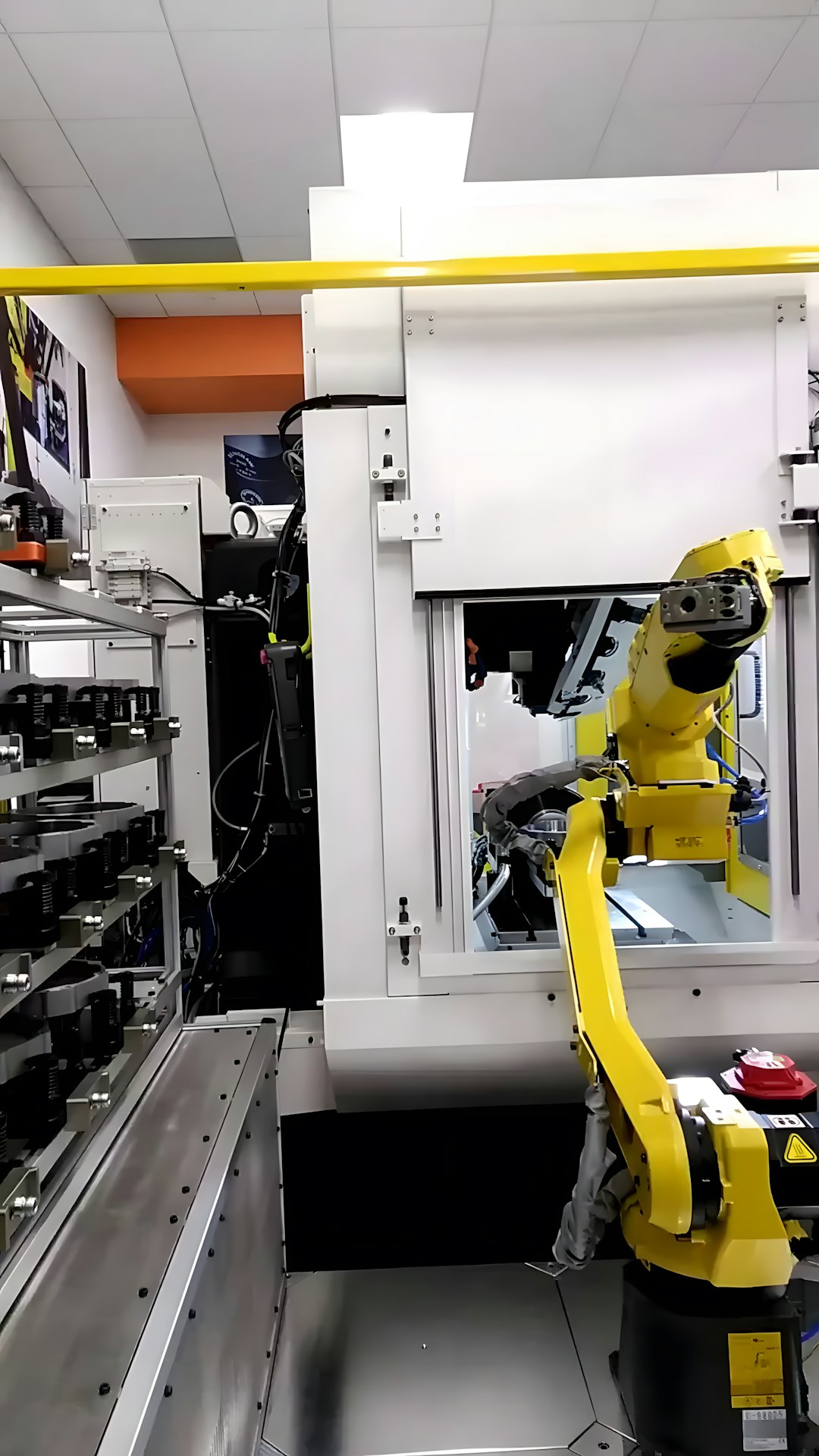
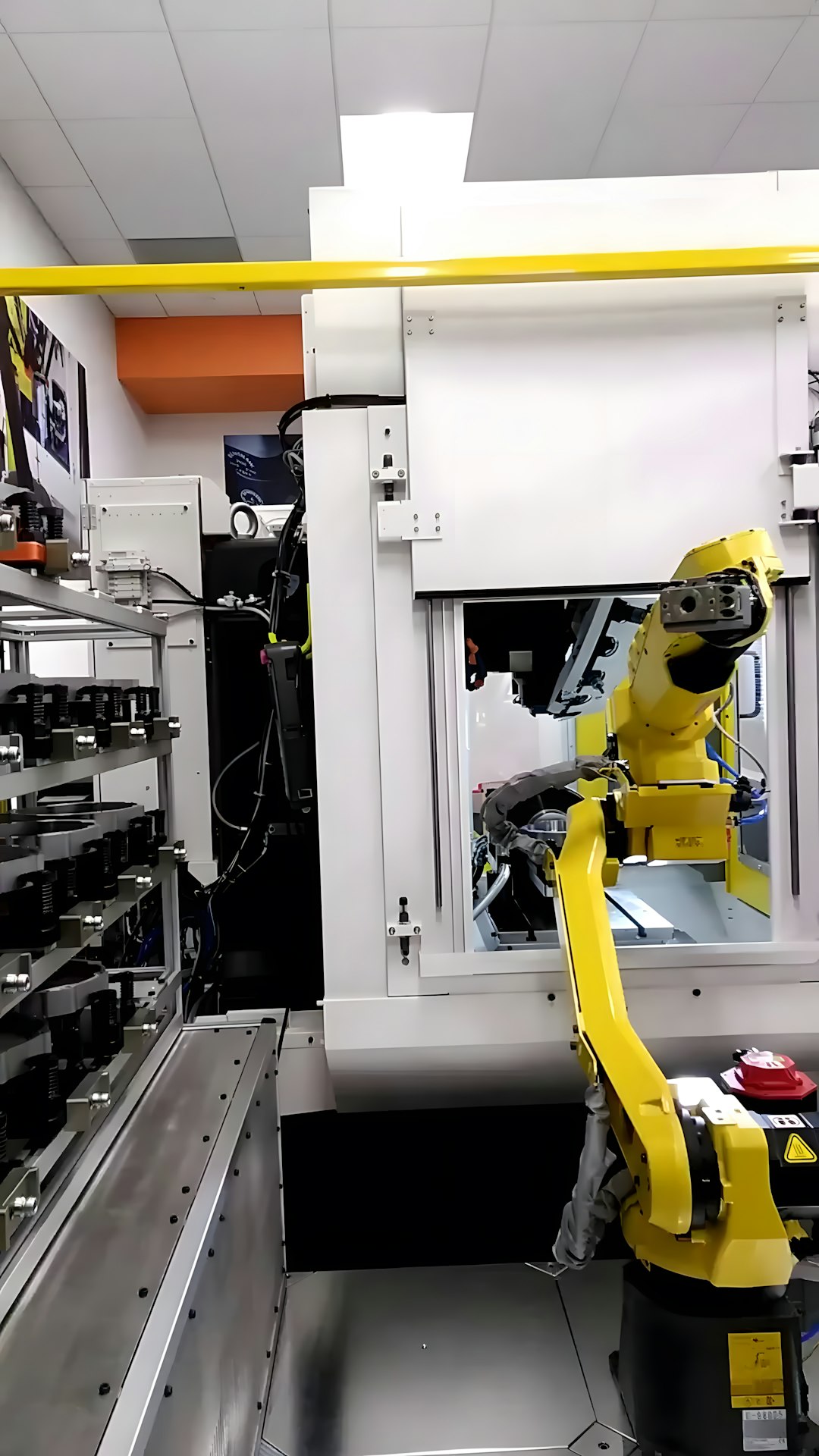
- Manufacturing – Automated robots streamline assembly lines.
- Retail – Chatbots and AI customer service reduce human staffing.
- Finance – Algorithms predict market trends and detect fraud.
- Healthcare – AI aids in diagnostics, radiology, and even surgery assistance.
According to a 2023 report by the World Economic Forum, nearly 83 million jobs are expected to be lost globally by 2027 due to AI-driven automation, while 69 million new jobs could be created—many of which demand high technology literacy and advanced problem-solving skills. These statistics highlight both the risk and opportunity AI brings to labor markets.
Who Is Most Affected by AI Replacement?
AI tends to replace roles that involve high levels of repetition, clear rules, or data processing. Jobs most at risk include:
- Telemarketers: AI systems can make scripted calls, track reactions, and adjust tone more efficiently than human agents.
- Data entry clerks: Optical Character Recognition (OCR) and other AI tools can process documents at lightning speed.
- Customer support: Chatbots are now capable of handling basic to moderately complex queries around the clock.
At the same time, industries that rely heavily on human interaction, emotional intelligence, or creativity remain less susceptible in the short term:
- Counseling and therapy
- Creative arts and storytelling
- Strategic leadership roles
However, even in these areas, AI is beginning to play assistive roles—raising concerns that full replacement is not far off.
The Argument for AI Integration vs. Replacement
Not all AI deployment leads to outright job loss. In many enterprises, AI serves as an enhancement to human capabilities rather than a substitute. Here are some key distinctions:
AI as a supplement: AI tools often take over mundane tasks, allowing employees to focus on higher-value work. For instance, in healthcare, AI organizes patient data while doctors concentrate on treatment plans.
AI as a replacement: In cases where human involvement adds little strategic value or increases error rates, companies may replace human workers entirely with AI systems to boost efficiency and reduce costs.
Current trends show a hybrid approach being most common—where humans and AI systems work side-by-side in what is increasingly called the augmented workforce.
Impacts on Organizational Structure and Culture
The growing presence of AI in the workplace is prompting significant changes in how companies structure their teams and internal processes:
- Flattened Hierarchies: AI-driven decision tools reduce the need for multiple layers of human supervision.
- Agile Teams: Collaboration between humans and machines enables faster adaptation and leaner project cycles.
- Real-time Data Usage: Decisions informed by instantaneous AI data analysis redefine strategic planning and operational alignment.
More importantly, company cultures are shifting. Senior leadership must adopt new mindsets—focusing not just on profit, but ethical use, transparency, and accountability. Workers, too, must embrace continuous learning and adaptability for career longevity in an AI-integrated environment.
Preparing the Workforce for an AI-Dominated Future
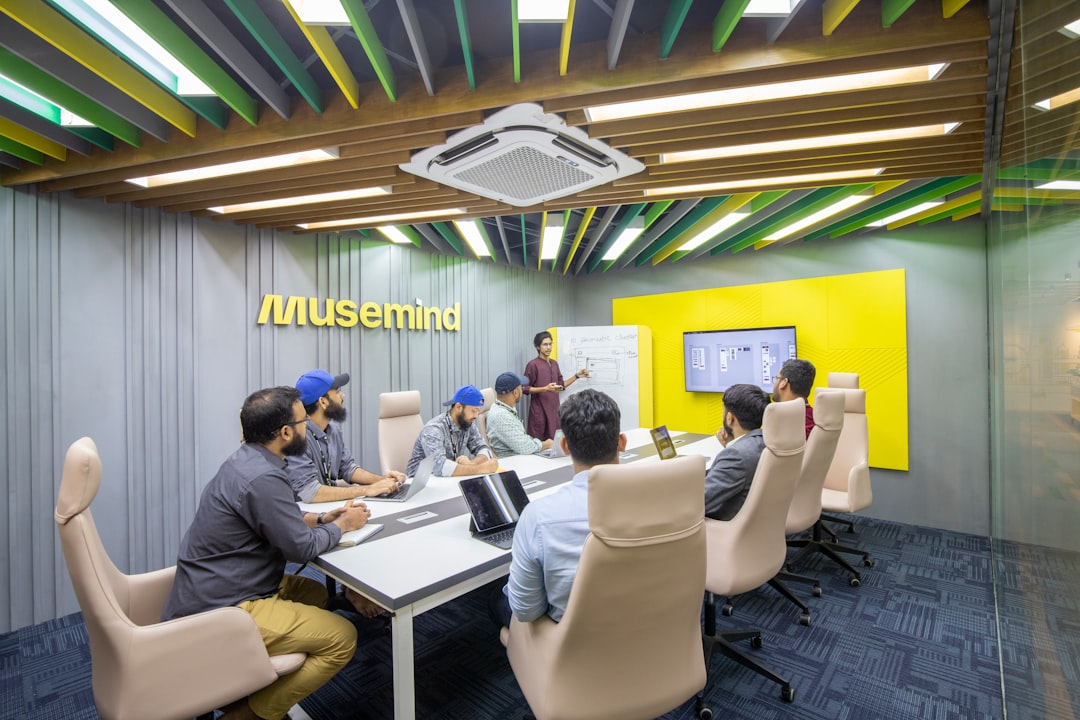
Many experts believe that proactive preparation can mitigate the disruptive impacts of AI. Governments, companies, and educational institutions all have roles to play in creating a resilient workforce:
- Re-skilling and Upskilling: Offering ongoing training in AI literacy, data analysis, coding, and digital communication.
- Education Reform: Integrating future-ready skills such as critical thinking, machine learning concepts, and ethics into academic curricula.
- Public-Private Partnerships: Governments working with tech firms to foster innovation without leaving behind lower-income workers.
There is increasing demand for roles that assist in the design, implementation, and governance of AI systems. These include AI ethics advisors, machine learning engineers, and data governance experts—jobs that simply did not exist a decade ago.
Ethical Considerations in AI Job Replacement
The integration of AI in employment brings significant ethical concerns. Primary among them are:
- Bias in Algorithms: Unconscious bias in training data can create discriminatory hiring or evaluation processes.
- Lack of Transparency: Black-box models make it difficult for employees to understand decision-making procedures affecting their job status.
- Digital Inequality: The skills required for AI-related jobs are not evenly distributed, leading to economic polarization.
Many thought leaders recommend the implementation of AI governance frameworks within organizations that include ethical audits, employee engagement, and checks against algorithmic bias. Transparency, trust, and human dignity must be kept at the core of any AI strategy.
The Long-Term Outlook: A New Human-Machine Balance
Despite fears of mass unemployment, most historical technological revolutions have created more jobs than they destroyed—albeit different ones. The AI revolution may follow a similar trend, but this will depend on how society manages the transition.
Forward-thinking organizations will:
- Redefine human roles to focus more on creativity, empathy, leadership, and judgment.
- Invest in technology responsibly, with worker transitions in mind.
- Deploy AI not to eliminate humans but to elevate them—enhancing productivity, job satisfaction, and societal outcomes.
While full replacement of humans may happen in specific roles, the broader goal should be assimilation and augmentation. The ideal future is not one where machines replace people—but where people and machines work together seamlessly.
Conclusion
The future of work is inescapably intertwined with the evolution of artificial intelligence. As AI systems grow more advanced, they challenge traditional employment models and demand significant restructuring of skills, tasks, and human-machine collaboration. Organizations, workers, and policy-makers must engage with these technologies not just as tools, but as catalysts for thoughtful, inclusive, and sustainable change.
It is now clear: AI will not just support the workforce—it will shape it. The question is not whether AI will replace jobs; the question is whether we are ready to shape the future of work with intention and wisdom.
