 logo
logo




For growing ecommerce businesses, order fulfillment can quickly shift from a manageable back-office task to a costly operational bottleneck. As order volume increases, teams must juggle carrier selection, label printing, inventory updates, customer notifications, returns, and delivery expectations. Online shipping tools help simplify these moving parts by centralizing fulfillment workflows, automating repetitive tasks, and giving businesses better control over shipping costs.
TLDR: Online shipping tools streamline order fulfillment by automating label creation, carrier comparison, tracking updates, and returns management. They reduce costs by helping businesses access discounted rates, avoid manual errors, optimize packaging, and improve delivery efficiency. For ecommerce sellers, retailers, and fulfillment teams, these platforms can turn shipping from a daily headache into a scalable, data-driven process.
Why Order Fulfillment Becomes Expensive Without the Right Tools
Order fulfillment involves more than placing a product in a box and handing it to a carrier. It includes receiving orders, confirming inventory, picking items, packing efficiently, purchasing postage, generating labels, updating order statuses, sending tracking numbers, managing exceptions, and processing returns. When these steps are handled manually, costs often rise in ways that are not immediately obvious.
Manual fulfillment can lead to duplicate data entry, incorrect shipping addresses, missed delivery deadlines, inefficient carrier choices, and higher labor expenses. Employees may spend valuable time switching between ecommerce platforms, spreadsheets, carrier websites, and customer service inboxes. Over time, even small inefficiencies can add up to significant losses.
Online shipping tools address these challenges by connecting systems, reducing repetitive work, and helping teams make better fulfillment decisions in real time.
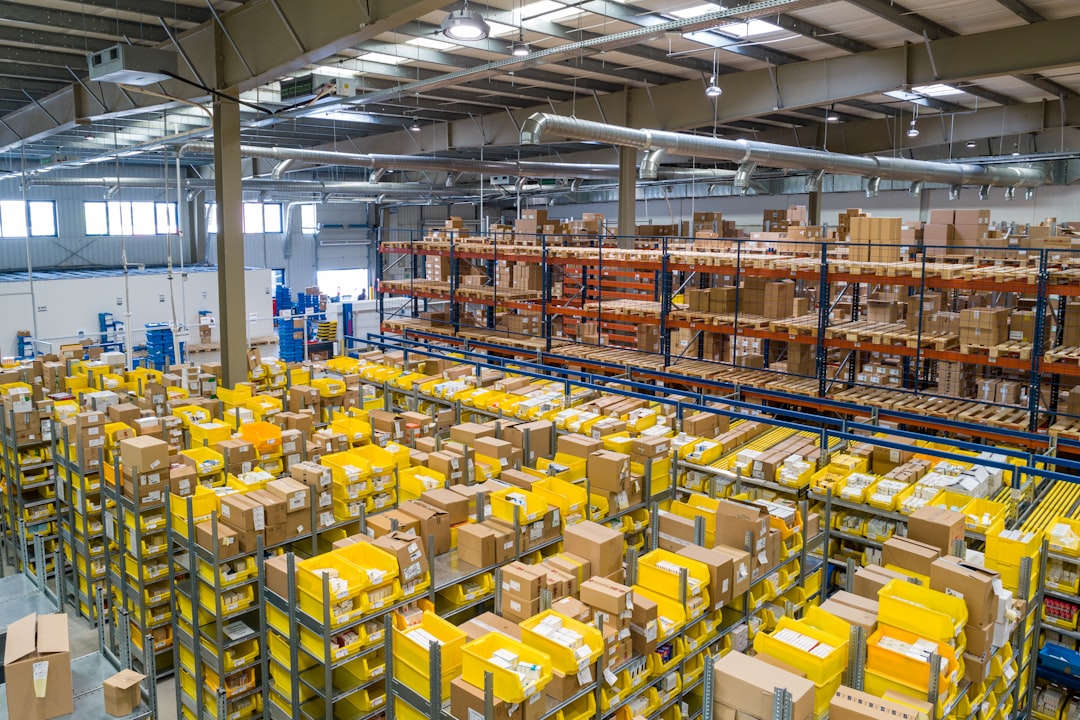
Centralizing Orders From Multiple Sales Channels
Many businesses sell through more than one channel, such as an online store, marketplace, social media shop, or wholesale portal. Without a centralized system, fulfillment teams may need to log in to several platforms to gather order details. This increases the risk of delays and mistakes.
Online shipping tools can integrate with popular ecommerce platforms and marketplaces, pulling all orders into a single dashboard. From there, staff can view, sort, filter, and process shipments without jumping between systems.
This centralization helps businesses:
- Reduce processing time by managing all shipments from one place.
- Improve order accuracy by using synced customer and product data.
- Prioritize urgent orders based on shipping method or delivery deadline.
- Maintain visibility across different sales channels.
For businesses experiencing seasonal spikes or rapid growth, this unified workflow can prevent fulfillment teams from becoming overwhelmed.
Automating Shipping Label Creation
Creating shipping labels manually is one of the most time-consuming parts of fulfillment. Employees must copy customer information, choose a carrier, enter package dimensions, select a service, pay for postage, print the label, and update tracking details. Repeating this process hundreds or thousands of times per month can consume hours of labor.
With online shipping tools, label creation can be partially or fully automated. Shipping rules can be configured to assign carriers, services, package types, insurance, and confirmation options based on order details. For example, a business may set a rule that all domestic orders under a certain weight ship through the lowest-cost ground service, while expedited orders automatically receive priority handling.
Automation reduces manual decision-making and allows teams to process batches of orders in minutes instead of hours. It also helps ensure consistency, especially when multiple employees are handling fulfillment.
Comparing Carrier Rates in Real Time
Shipping costs vary by carrier, package weight, destination, delivery speed, and service level. A carrier that offers the best rate for one shipment may not be the most economical choice for another. When teams manually check rates on different carrier websites, they may settle for familiar options instead of the lowest practical cost.
Online shipping platforms often include real-time rate comparison, allowing users to evaluate multiple carriers and services side by side. This makes it easier to choose a shipping option that balances cost, speed, reliability, and customer expectations.
Businesses can benefit from:
- Lower postage expenses through discounted or negotiated rates.
- Better carrier selection based on delivery zones and service performance.
- Improved margin protection on orders with free or flat-rate shipping.
- More transparent decisions when choosing between economy and expedited services.
For companies shipping high volumes, even a small savings per package can create meaningful monthly and annual cost reductions.
Reducing Human Error and Costly Mistakes
Shipping errors are expensive. A mistyped address, incorrect package weight, wrong service selection, or missing tracking number can result in returned packages, reshipment fees, customer complaints, and lost sales. Manual processes make these mistakes more likely, especially during busy periods.
Online shipping tools help reduce errors by importing customer information directly from orders, validating addresses, storing package presets, and applying predefined shipping rules. Address validation can flag incomplete or questionable addresses before a label is purchased, preventing avoidable delivery issues.
Fewer errors mean fewer refunds, fewer replacement shipments, and less time spent resolving customer service problems. This creates both direct cost savings and a better customer experience.

Improving Inventory and Fulfillment Visibility
Shipping tools often work alongside inventory management systems, warehouse software, and ecommerce platforms. This connectivity helps businesses maintain more accurate inventory levels and fulfillment statuses. When an order ships, the system can automatically update the sales channel, reduce available inventory, and notify the customer.
Visibility is especially important for businesses with multiple warehouses or fulfillment locations. Online shipping tools can help route orders to the most appropriate location based on stock availability, customer destination, or shipping cost. This reduces the distance packages travel, shortens delivery times, and lowers transportation costs.
For example, if a customer on the West Coast places an order and the product is available in both eastern and western warehouses, the system can help identify the closer fulfillment point. This type of routing may seem simple, but at scale it can significantly reduce expenses.
Streamlining Packing and Warehouse Workflows
Efficient fulfillment depends on how quickly and accurately items move through the warehouse. Online shipping tools can support better workflows by offering packing slips, pick lists, barcode scanning, batch processing, and packing station integrations.
With batch processing, a fulfillment team can group similar orders together, print multiple labels at once, and organize picking routes more efficiently. Barcode scanning can confirm that the correct item is being packed, reducing the risk of shipping the wrong product.
These workflow improvements can help businesses:
- Increase the number of orders processed per hour.
- Reduce labor costs without sacrificing accuracy.
- Train new fulfillment staff more easily.
- Keep operations organized during high-volume periods.
When warehouse teams have clear processes and connected tools, order fulfillment becomes more predictable and scalable.
Enhancing Customer Communication
Customers expect to know when an order has shipped, where it is in transit, and when it will arrive. If tracking information is delayed or unavailable, customer service inquiries increase. Each “Where is my order?” message takes time to answer and can reduce customer confidence.
Online shipping tools can automatically send tracking updates to ecommerce platforms and customers once a label is created or scanned by the carrier. Some systems also provide branded tracking pages, delivery notifications, and exception alerts.
Automated communication reduces support volume and improves the post-purchase experience. Customers feel more informed, and businesses spend less time responding to routine tracking questions.
Making Returns Easier and Less Expensive
Returns are a normal part of ecommerce, but they can become costly when handled inefficiently. A confusing returns process can frustrate customers, slow down restocking, and increase support requests. Online shipping tools can simplify returns by generating return labels, setting return rules, tracking returned packages, and helping staff process items when they arrive back at the warehouse.
Some businesses choose to include return labels in outbound shipments, while others generate labels only after a return request is approved. Online tools make either approach easier to manage. They can also help businesses choose lower-cost return services when speed is less critical.
A streamlined returns process supports customer retention while helping companies regain inventory value more quickly.

Using Data to Reduce Fulfillment Costs
Online shipping tools provide analytics that can reveal where money is being spent and where savings are possible. Businesses can review shipping expenses by carrier, service, destination, package size, warehouse, or sales channel. This data helps decision-makers identify patterns that may not be obvious from individual shipments.
For instance, analytics may show that certain products are frequently shipped in oversized boxes, causing unnecessary dimensional weight charges. They may also reveal that a specific carrier is more cost-effective in one region but less reliable in another. With this information, businesses can adjust packaging, renegotiate rates, change carrier rules, or update shipping policies.
Cost reduction becomes easier when fulfillment decisions are based on measurable data rather than assumptions.
Supporting Business Growth Without Adding Complexity
As order volume grows, businesses often assume they must hire more staff to keep up. While additional labor may eventually be necessary, online shipping tools can help companies process more orders with the same team by improving speed and accuracy. Automation, batching, integrations, and reporting all contribute to a more scalable operation.
These tools also create more consistent processes. Instead of relying on individual employees to remember carrier preferences or special handling instructions, the system can apply rules automatically. This consistency becomes increasingly valuable as a company adds products, sales channels, warehouses, or international customers.
Best Practices for Implementing Online Shipping Tools
To get the most value from online shipping software, businesses should approach implementation strategically. The right setup can make the difference between modest convenience and meaningful savings.
- Map the current fulfillment process: Teams should identify where delays, errors, and excess costs occur.
- Connect key sales channels: Integrations should be configured so orders flow into one central dashboard.
- Create shipping rules: Automated rules should reflect delivery promises, budget limits, package types, and customer expectations.
- Use package presets: Common box sizes and weights can speed up label creation and reduce rating mistakes.
- Review reports regularly: Shipping data should be analyzed to find opportunities for savings.
- Train fulfillment staff: Employees should understand both the software and the operational standards behind it.
When implemented thoughtfully, online shipping tools can become a central part of a company’s fulfillment strategy rather than just a label-printing convenience.
Conclusion
Online shipping tools help businesses streamline order fulfillment by centralizing orders, automating repetitive tasks, comparing carrier rates, reducing errors, improving customer communication, and providing valuable performance data. These capabilities allow companies to ship faster, operate more efficiently, and control costs more effectively.
For ecommerce businesses and retailers facing rising customer expectations and shipping expenses, the value of these tools is significant. By replacing manual processes with connected, automated workflows, companies can build a fulfillment operation that is more accurate, scalable, and cost-conscious.
FAQ
What are online shipping tools?
Online shipping tools are software platforms that help businesses manage shipping tasks such as importing orders, comparing carrier rates, printing labels, sending tracking updates, and handling returns.
How do online shipping tools reduce fulfillment costs?
They reduce costs by automating manual work, minimizing shipping errors, providing access to discounted rates, improving carrier selection, optimizing package choices, and reducing customer service inquiries.
Can small businesses benefit from shipping software?
Yes. Small businesses can benefit by saving time, improving order accuracy, and accessing more affordable shipping options. These tools can also help small teams handle higher order volumes without immediately hiring additional staff.
Do online shipping tools work with multiple carriers?
Many online shipping tools support multiple carriers and allow businesses to compare rates in real time. This helps teams choose the most cost-effective or reliable service for each shipment.
Can shipping tools help with returns?
Yes. Many platforms offer return label creation, return tracking, and return workflow features. This makes the returns process easier for both the business and the customer.
Are online shipping tools useful for international shipping?
They can be very useful for international shipping because they may help with customs forms, international service selection, delivery estimates, and tracking. Businesses should still review each platform’s international capabilities before choosing one.
What should a business look for in an online shipping tool?
A business should look for integrations with its sales channels, carrier support, automation rules, batch label printing, reporting features, return management, address validation, and ease of use for fulfillment staff.