 logo
logo



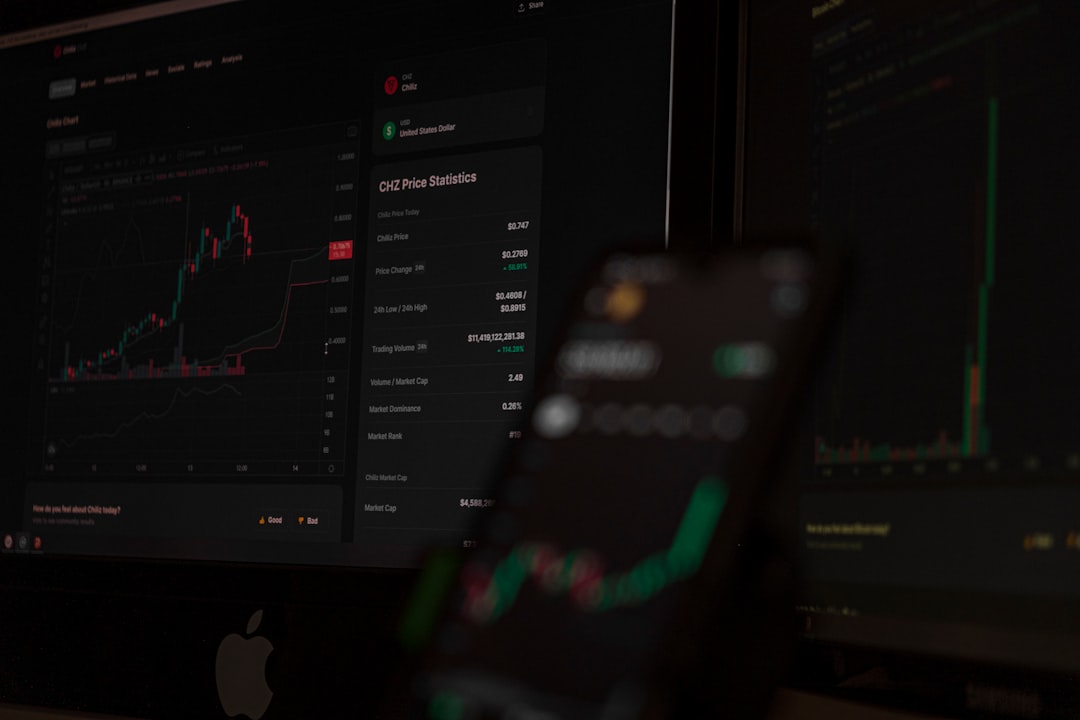
In 2026, cryptocurrency investing is no longer confined to a handful of coins and a single exchange wallet. The average investor now holds assets across multiple blockchains, DeFi platforms, staking pools, and centralized exchanges. With more than 3,000 actively traded digital assets gaining mainstream attention, cryptocurrency portfolio trackers like CoinStats have become essential tools for anyone serious about managing digital wealth in real time.
TLDR: Cryptocurrency portfolio trackers like CoinStats now monitor over 3,000 digital assets in real time across exchanges, wallets, and DeFi protocols. They offer automated syncing, deep analytics, tax reporting, risk assessment, and AI-driven insights. In 2026, they are essential tools for investors navigating complex multi-chain portfolios. These platforms simplify portfolio management and improve decision-making in an increasingly fragmented crypto ecosystem.
The Evolution of Crypto Portfolio Tracking
In the early days of cryptocurrency, tracking your investments meant checking prices manually on a few exchanges. Investors often relied on spreadsheets or simple mobile apps that tracked only major coins like Bitcoin and Ethereum. Fast forward to 2026, and the landscape has transformed dramatically.
Today’s crypto portfolios can include:
- Layer 1 and Layer 2 tokens
- DeFi governance tokens
- Liquid staking derivatives
- NFT-based financial instruments
- Tokenized real-world assets
- AI-powered blockchain tokens
Tracking all these assets across multiple wallets and exchanges is nearly impossible without specialized tools. This is where platforms like CoinStats shine: offering unified dashboards that aggregate everything in one place.
Real-Time Tracking Across 3,000+ Assets
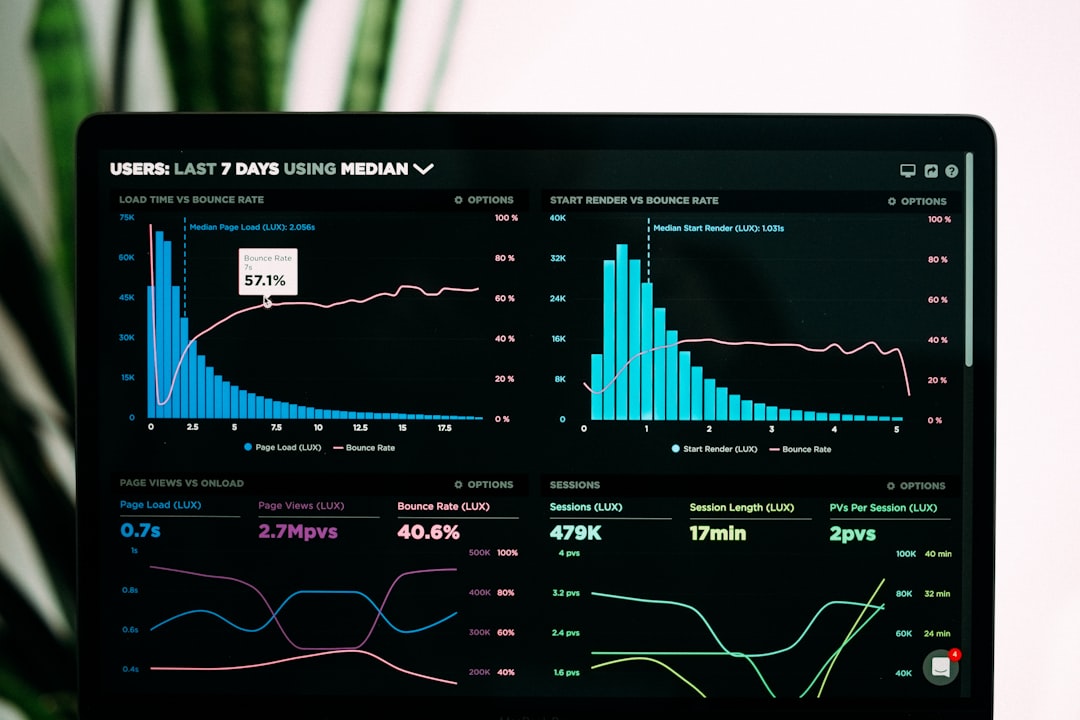
One of the defining features of modern portfolio trackers is their ability to monitor 3,000+ cryptocurrencies in real time. In practice, this means:
- Live price updates every few seconds
- Instant portfolio balance recalculations
- Real-time profit and loss tracking
- Automatic asset conversion to local fiat currencies
Unlike traditional finance, crypto markets never close. They operate 24/7, and prices can fluctuate dramatically within minutes. Real-time monitoring ensures investors can respond quickly to volatility, identify arbitrage opportunities, or rebalance their portfolios as markets evolve.
Advanced trackers also provide customizable alerts for:
- Price thresholds
- Percentage changes
- Market cap shifts
- Whale movements
These real-time notifications turn a smartphone into a powerful trading console.
Multi-Exchange and Multi-Wallet Integration
In 2026, most investors don’t rely on a single exchange. Instead, they hold assets across:
- Centralized exchanges (CEXs)
- Decentralized exchanges (DEXs)
- Hardware wallets
- Mobile wallets
- Browser-based Web3 wallets
Portfolio trackers like CoinStats connect via API keys or blockchain wallet addresses. Once connected, they automatically sync balances and transactions without requiring manual updates. This significantly reduces human error and saves time.
Investors can view their entire holdings — including assets locked in staking pools or liquidity farms — on a single unified dashboard. For professionals managing complex positions, this consolidated view is invaluable.
DeFi and Staking Visibility
Decentralized finance has grown substantially, and in 2026 many investors earn passive income through:
- Staking rewards
- Yield farming
- Lending protocols
- Restaking systems
Earlier portfolio tracking tools struggled to capture DeFi data accurately. Now, advanced trackers integrate directly with smart contracts and indexers to display:
- Claimable rewards
- Annual percentage yield (APY)
- Locked vs liquid value
- Historical yield performance
This shift allows crypto investors to treat staking positions with the same transparency as traditional dividend portfolios.
Advanced Analytics and Performance Insights
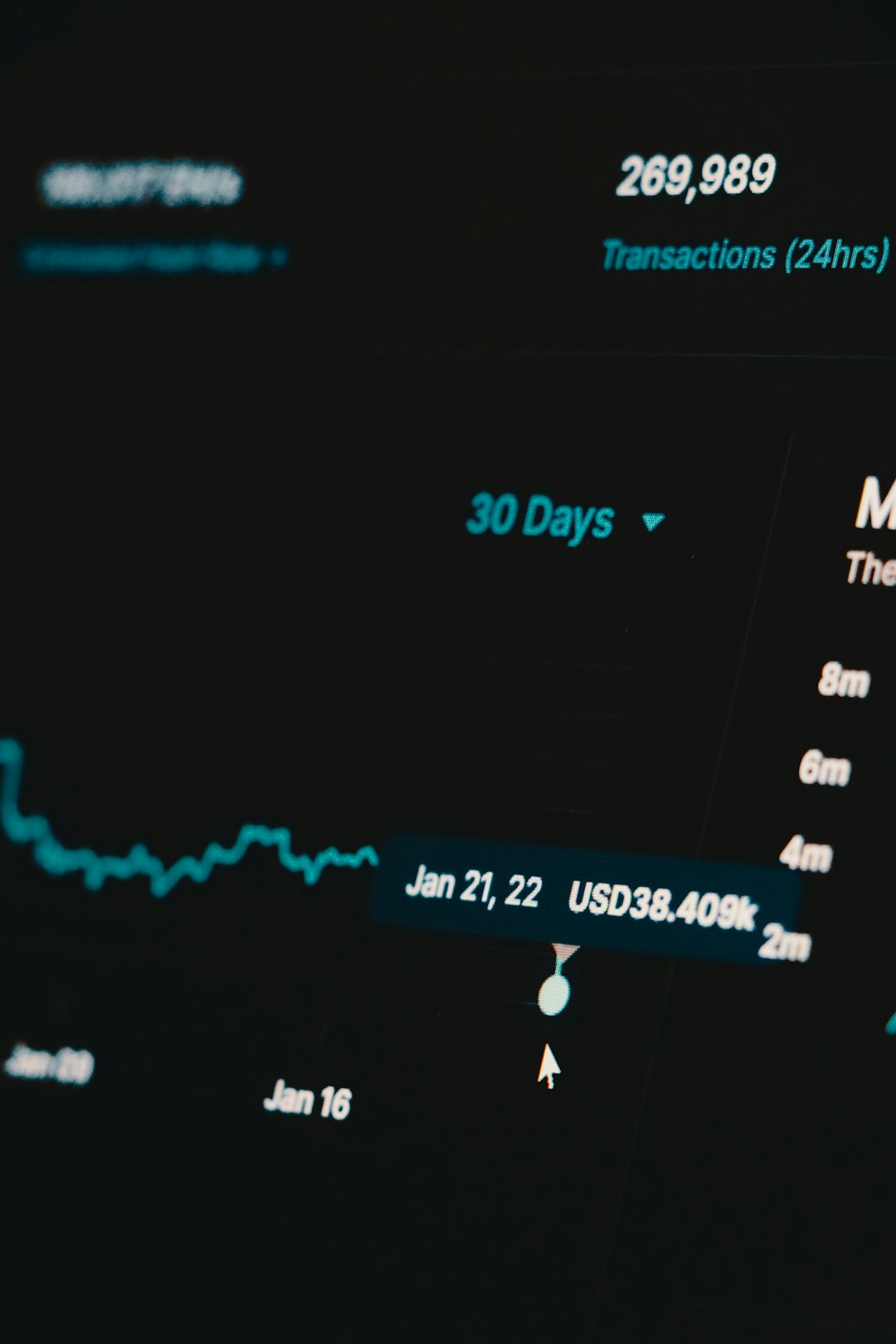
Modern crypto tracking platforms go far beyond price monitoring. They now offer institutional-grade analytics tailored to retail users.
Common advanced features include:
- Asset allocation breakdowns by sector or chain
- Risk scoring models based on volatility and liquidity
- Sharpe ratio calculations
- Drawdown analysis
- Historical performance comparison against BTC or ETH benchmarks
With these tools, investors can make data-driven decisions rather than reacting emotionally to market swings. For example, an investor may discover that 70% of their portfolio is heavily correlated, increasing risk exposure during a downturn.
In 2026, many trackers have integrated AI-based recommendation engines that analyze diversification, rebalance opportunities, and long-term profitability trends.
Tax Reporting and Compliance Tools
As governments worldwide tighten crypto regulations, tax compliance has become a central concern. Portfolio trackers now include:
- Automated transaction categorization
- Capital gains and losses calculations
- Exportable tax reports
- Integration with accounting software
Given the complexity of DeFi transactions — swaps, bridges, liquidity moves — calculating taxable events manually would be overwhelming. Portfolio trackers simplify this process by tracking every trade and converting it into clear fiscal documentation.
For high-frequency traders or DeFi participants, these tools are essential rather than optional.
Security and Privacy Considerations
Security remains a top priority. Leading portfolio trackers operate in read-only mode when accessing exchange APIs. This means the system can view balances and transactions but cannot execute trades or withdraw funds.
Additional security features typically include:
- Two-factor authentication
- Biometric login on mobile devices
- End-to-end encryption
- Data anonymization options
Since these platforms aggregate sensitive financial data, robust encryption and compliance standards are vital for long-term trust.
Customization and User Experience
User experience has dramatically improved in recent years. In 2026, top-rated crypto portfolio trackers provide:
- Customizable dashboards
- Dark and light modes
- Widget integration
- Multi-currency support
- Performance tracking by time frame
Investors can filter by:
- Chain
- Exchange
- Asset category
- Profitability status
This level of customization transforms overwhelming datasets into clear, actionable insights.
The Rise of Social and Community Features
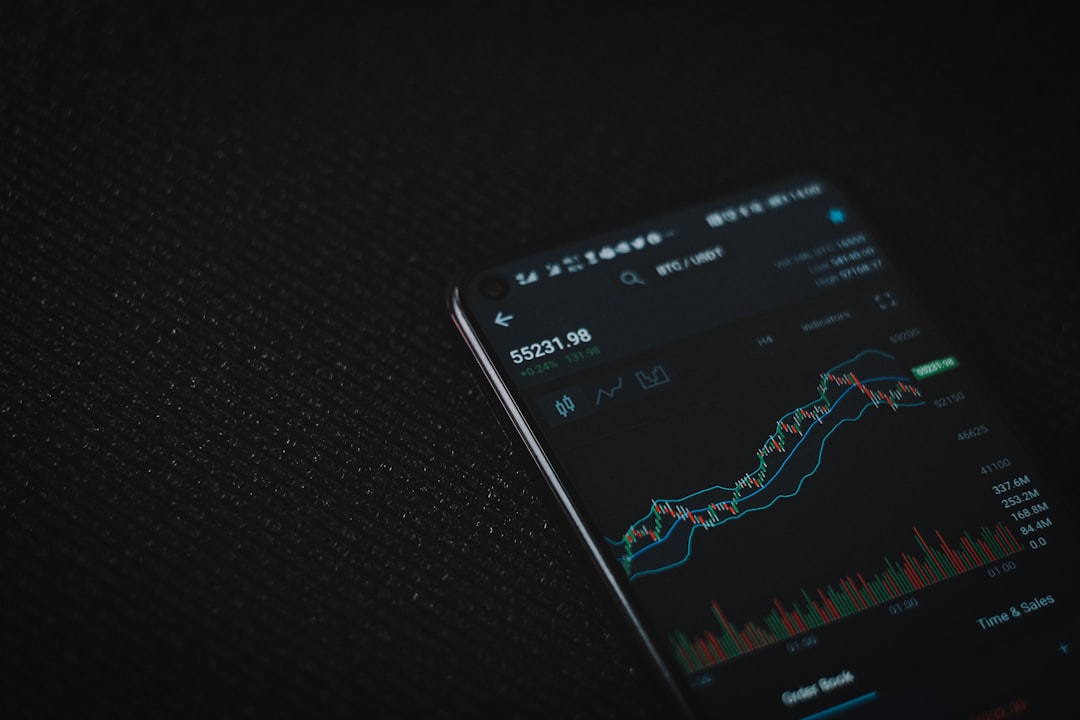
A surprising development in 2026 is the integration of social sentiment analysis. Some portfolio trackers now analyze:
- On-chain activity trends
- Developer activity on public repositories
- Social media sentiment signals
- Community growth metrics
These indicators help investors spot emerging projects before they reach mainstream awareness. While not foolproof, they add another dimension to portfolio intelligence.
Some platforms also allow users to follow aggregated public portfolios or performance benchmarks, creating a semi-social investment experience.
Why Portfolio Trackers Are Essential in 2026
The crypto ecosystem is fragmented across dozens of blockchains and thousands of assets. Without a powerful tracker, investors face:
- Incomplete performance data
- Missed rebalancing opportunities
- Increased tax errors
- Poor risk visibility
Cryptocurrency is no longer just a speculative market; it has matured into a multi-layered financial system. Just as stock investors rely on brokerage dashboards and analytics platforms, crypto investors depend on sophisticated tracking software.
Platforms like CoinStats symbolize this evolution, representing the bridge between chaotic decentralized markets and structured financial management.
Looking Ahead: The Future of Crypto Portfolio Management
As artificial intelligence and blockchain analytics continue to advance, the next generation of crypto portfolio trackers may include:
- Predictive volatility modeling
- Automated smart rebalancing bots
- Integrated decentralized identity management
- Cross-chain risk simulations
In a world where digital assets increasingly overlap with traditional finance — through tokenized stocks, bonds, and commodities — unified portfolio tracking will become even more important.
Ultimately, in 2026, cryptocurrency portfolio trackers are not just convenience apps. They are comprehensive financial command centers. For anyone managing a diversified crypto portfolio across thousands of assets, real-time tracking and in-depth analytics are no longer luxuries — they are necessities.